As the tech industry evolves, understanding memory specifications becomes crucial for optimal performance. When considering DDR5 latency vs DDR4, it's essential to grasp how these two generations differ. Notably, Dr. Lisa Su, CEO of AMD, emphasizes that “the future of computing relies significantly on memory performance.” This statement highlights the importance of latency in modern applications.
DDR5 offers enhanced speeds, but its impact on latency is often debated. Many users are left wondering how DDR5 latency compares to DDR4's. The improvements in bandwidth may come with trade-offs in latency. Gamers and professionals alike must evaluate their specific needs when choosing between these memory types.
Data-driven insights suggest that gaming performance may benefit from lower latency in DDR4. Yet, tasks requiring high data throughput could favor DDR5. Effectively assessing these differences often requires deeper analysis and experimentation. Choosing the right memory isn't just a standard decision; it's about aligning performance with your unique use case.
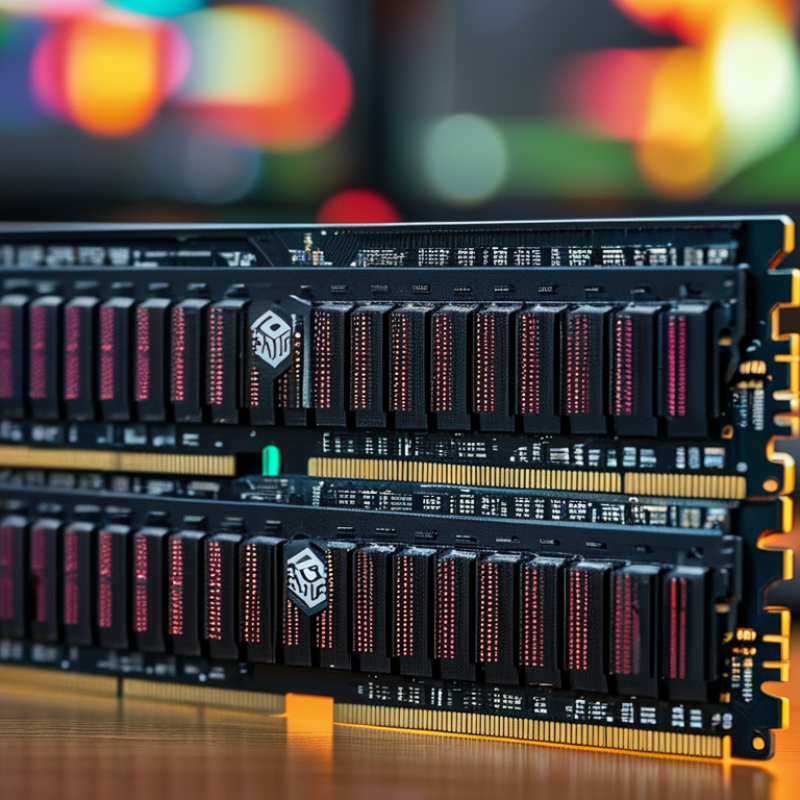
Understanding the Basics of DDR4 and DDR5 Memory Technologies
DDR4 and DDR5 memory technologies represent significant advancements in performance and efficiency. DDR4 has been a staple in computers, offering stable performance at speeds up to 3200 MT/s. In contrast, DDR5 promises higher speeds, starting from 4800 MT/s, enabling faster data transfer and improved multitasking. The difference in bandwidth and speed enhances applications, especially in gaming and data-intensive tasks.
However, latency remains a critical factor for users. DDR4 typically has a CAS latency (CL) around 15-19, while DDR5 tends to have higher latency, between 30-40. This might seem counterintuitive because lower latency is often preferred. The trade-off means while DDR5 offers greater speed, the increased latency could affect specific workflows, especially those that prioritize responsive memory access. Understanding your usage is vital.
Tip: Evaluate your primary tasks and determine how much speed versus latency matters to you. For gaming, lower latency can enhance performance. For tasks involving large data sets, higher bandwidth might outweigh latency concerns.
Another aspect of DDR5 is its double the bank groups and increased burst lengths. This allows for better management of data and increases efficiency. However, users transitioning from DDR4 to DDR5 should assess compatibility and realize that the immediate benefits may vary based on applications used. Always keep an eye on benchmarks and reviews that compare these technologies under real-world conditions.
Comparing DDR5 and DDR4 Latency
Key Differences in Latency Between DDR4 and DDR5
When comparing DDR4 and DDR5, understanding latency is crucial. DDR4 typically features a latency of 15-19 nanoseconds, while DDR5 presents a range of 30-40 nanoseconds. This sounds counterintuitive, as DDR5 is faster overall. Higher memory speeds improve performance, but increased latency can impact specific applications.
Consider gaming as an example. Many games rely heavily on quick data access. For gamers, lower latency is often more desirable. However, DDR5 offers higher bandwidth, which can benefit multitasking and data-heavy applications. Users with specialized tasks may favor DDR5 despite its latency.
As you weigh your options, reflect on your actual usage. If your tasks involve heavy data manipulation or computational tasks, the advantages of DDR5 may outweigh the latency concerns. Yet, for simple daily tasks or gaming, DDR4 could be more effective. Your specific needs and workload should guide your decision, balancing latency against overall performance.
Factors Affecting Latency in DDR Memory
When comparing DDR5 latency to DDR4, it's crucial to understand the several factors that affect performance. Latency in DDR memory is influenced by CAS latency, memory clock speed, and architecture. For instance, DDR5 typically operates at a higher frequency than DDR4, which can reduce the time required for data transfer. A recent industry report indicated that while DDR5 can achieve speeds of up to 8400 MT/s, DDR4 mostly tops out around 3200 MT/s. This difference significantly impacts applications requiring fast data access.
However, latency is not solely dependent on speed. CAS latency (CL) plays a pivotal role. In some cases, DDR5 may have a higher CL compared to DDR4. For instance, specific DDR5 modules may have a CL of 40, while some DDR4 modules can be as low as 16. Thus, a higher frequency with a greater CAS latency might reduce practical performance improvements. Conversely, low-latency DDR4 can outperform DDR5 in certain scenarios, especially in tasks demanding rapid data retrieval.
Another aspect to consider is bandwidth. DDR5 offers higher bandwidth, giving it an edge in memory-intensive tasks. Nonetheless, if the application does not leverage this bandwidth effectively, the perceived latency benefits may diminish. For users considering an upgrade, assessing these factors in alignment with specific needs is vital to making an informed decision. Balancing speed, latency, and the application workload can be quite challenging.
How to Compare DDR5 Latency with DDR4 for Your Needs? - Factors Affecting Latency in DDR Memory
| Memory Type |
Clock Speed (MT/s) |
Latency (ns) |
Bandwidth (GB/s) |
Transfer Rate |
| DDR4 |
2400 |
15.6 |
19.2 |
19.2 |
| DDR4 |
3200 |
12.5 |
25.6 |
25.6 |
| DDR5 |
4800 |
10.4 |
38.4 |
38.4 |
| DDR5 |
6000 |
8.3 |
48.0 |
48.0 |
How to Measure and Compare Latency Effectively
When assessing the latency of DDR5 compared to DDR4, measurement techniques make a critical difference. Specifically, parameters such as CAS latency (CL) reveal key insights. DDR4 typically has latencies around CL14 to CL19, while DDR5 starts at CL30 to CL40. This numerical disparity may seem daunting, but it doesn’t tell the whole story. DDR5 offers increased bandwidth, which can offset seemingly higher latency figures.
Effective comparison requires more than just numbers. Tools like latency measurement software can give you real-time data on how memory responds during tasks. For instance, benchmarks from the JEDEC organization detail how DDR5 can achieve higher data transfer rates, significantly enhancing performance in demanding applications. Thus, while latency numbers for DDR5 may be higher, the overall performance advantage might be worth considering.
However, the real-world impact of latency can vary based on usage scenarios. Gamers may notice differences during intensive gaming sessions, while casual users might not perceive any change. Additionally, memory overclocking can manipulate latencies, further complicating comparisons. Thus, it’s crucial to approach these metrics with an understanding of your specific needs and tasks to make an informed decision.
Assessing Your Needs: When to Choose DDR4 or DDR5 Based on Latency
When considering DDR4 versus DDR5, latency is a crucial factor. Latency refers to the delay before data transfer begins. DDR5 typically has lower latency values compared to DDR4, but it’s essential to assess your specific needs. For gaming, lower latency can enhance performance, potentially offering a more responsive experience.
However, not all applications require the latest technology. If you're using standard applications and multitasking, DDR4's performance might suffice. It is reliable and cost-effective for many users. In scenarios where high-speed data processing is vital, DDR5 may provide a tangible benefit. Test benchmarks often show that the difference can be minimal for everyday tasks.
Evaluating your needs means looking at usage patterns. Ask yourself: How often do you experience lag? If it’s infrequent, sticking with DDR4 could save money. Consider future-proofing, though. DDR5's advanced capabilities may benefit upcoming programs and games. While lower latency is an advantage, remember that the overall system performance relies on other components as well. A misaligned upgrade could lead to suboptimal results.
FAQS
: DDR4 offers speeds up to 3200 MT/s, while DDR5 starts at 4800 MT/s, enhancing data transfer.
DDR4 has lower latency, typically 15-19, compared to DDR5's 30-40, which can impact responsiveness.
For gaming, lower latency from DDR4 may enhance performance, but DDR5 offers higher speeds.
No, DDR4 can be sufficient for standard tasks and multitasking, as the benefits of DDR5 vary.
Evaluate your usage patterns. If lag is rare, sticking with DDR4 may be more cost-effective.
Check compatibility and be aware that benefits can vary based on specific applications used.
Yes, benchmarks provide insights into real-world performance differences, which can guide your decision.
Yes, DDR5's advanced features may support upcoming programs and games better than DDR4.
A mismatch in components can lead to underwhelming performance, making thoughtful decisions essential.
No, overall system performance depends on many components, not just the memory technology chosen.
Conclusion
The article "How to Compare DDR5 Latency with DDR4 for Your Needs?" offers a comprehensive guide on understanding the fundamental differences between DDR4 and DDR5 memory technologies, particularly focusing on latency. It outlines key differences between DDR4 and DDR5, highlighting that while DDR5 generally offers higher speeds, the comparison of DDR5 latency vs DDR4 reveals that latency may not differ as significantly as speed enhancements suggest. Additionally, factors affecting latency, such as memory speed, timings, and application requirements, are discussed in detail.
To effectively measure and compare latency, the article suggests various methodologies and emphasizes the importance of assessing one’s specific needs before making a choice. Ultimately, the decision to select DDR4 or DDR5 should be based not only on raw performance metrics but also on how latency impacts the intended applications, ensuring that users can make informed choices that align with their performance requirements.

 Cynovex