Engineered for absolute thermal efficiency, reliability, and extreme workloads
Deep technical overview of global server cooling requirements
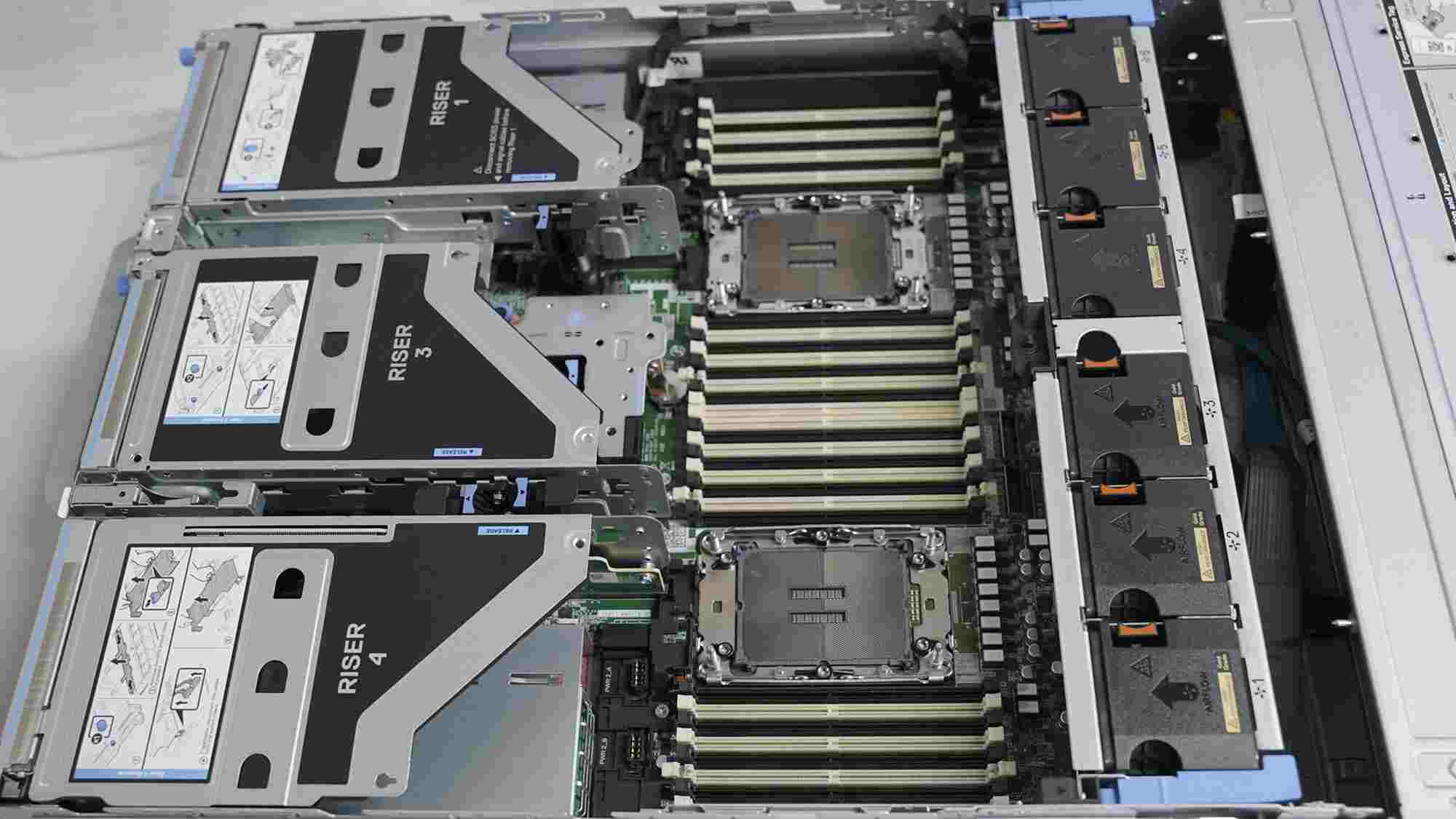
Modern CPUs, from Intel Xeon Scalable to AMD EPYC, are pushing TDP levels beyond 350W and up to 400W+. System integrators require specialized heat dissipation solutions designed to prevent thermal throttling under intensive workloads.
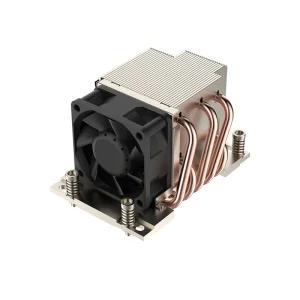
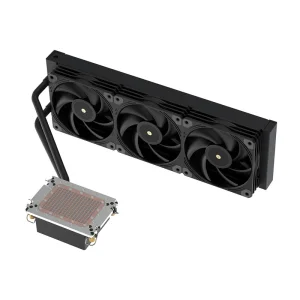
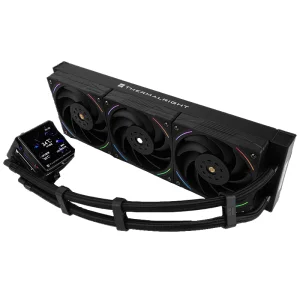
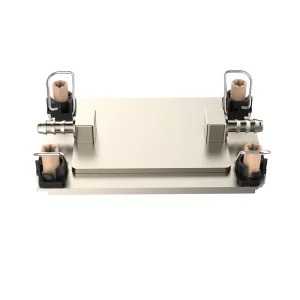
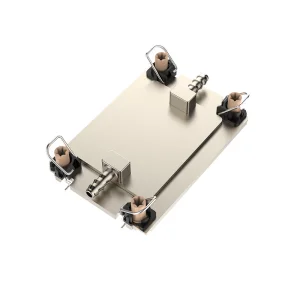
While 1U and 2U configurations utilize high-density copper fins and vapor chambers, 400W+ configurations increasingly pivot toward direct-to-chip (D2C) liquid cooling blocks to maximize thermal efficiency and server longevity.
Utilizing high-performance sintering heat pipes, vacuum-sealed vapor chambers, and structural brackets compliant with strict coplanarity metrics to prevent uneven mounting pressure on multi-chip packages.
As artificial intelligence (AI), machine learning, and high-performance computing (HPC) clusters expand, the underlying silicon must perform at high duty cycles for extended durations. When CPUs and GPUs process neural network models, they consume massive amounts of electric current, converting almost all input energy into thermal waste. This high power density has shifted server thermal management from a secondary consideration to a critical architecture priority.
Historically, cooling a standard 95W server processor required basic aluminum extrusions with small active fans. However, today's socket environments (such as Intel’s LGA4677 or AMD’s SP6 and SP3 architectures) frequently manage sustained thermal loads of 300W to 400W. If the thermal interface material (TIM) or the heat sink itself has a thermal resistance profile that is even marginally sub-optimal, the processor immediately triggers its internal thermal protection mechanisms, reducing clock speeds and decreasing system performance. Selecting an experienced server radiator factory is essential to maintaining targeted processing yields and operating continuity.
In high-density server configurations, buyers look for custom thermal resistance profiles (measured in °C/W), mounting hardware coplanarity, spatial constraints compatibility (1U vs 2U profiles), and long-term mechanical reliability. Ensuring compliance with strict OEM/ODM parameters is the primary driver of corporate procurement decisions.
Balancing performance, reliability, and cost-efficiency at scale
System integrators, hyperscalers, and server brands require cooling solutions that operate continuously for up to five to seven years. Consequently, procurement decisions focus on two main areas:
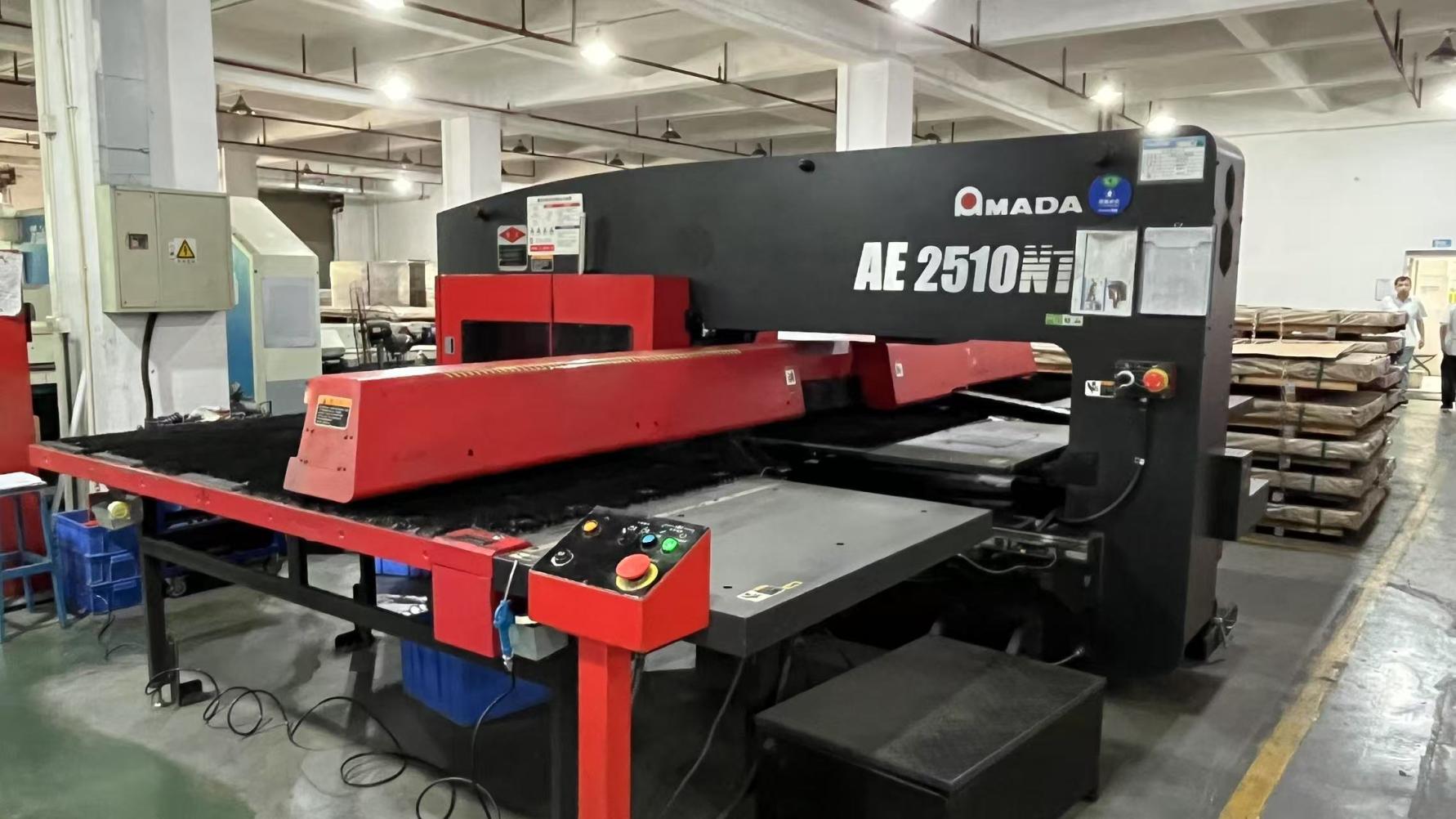
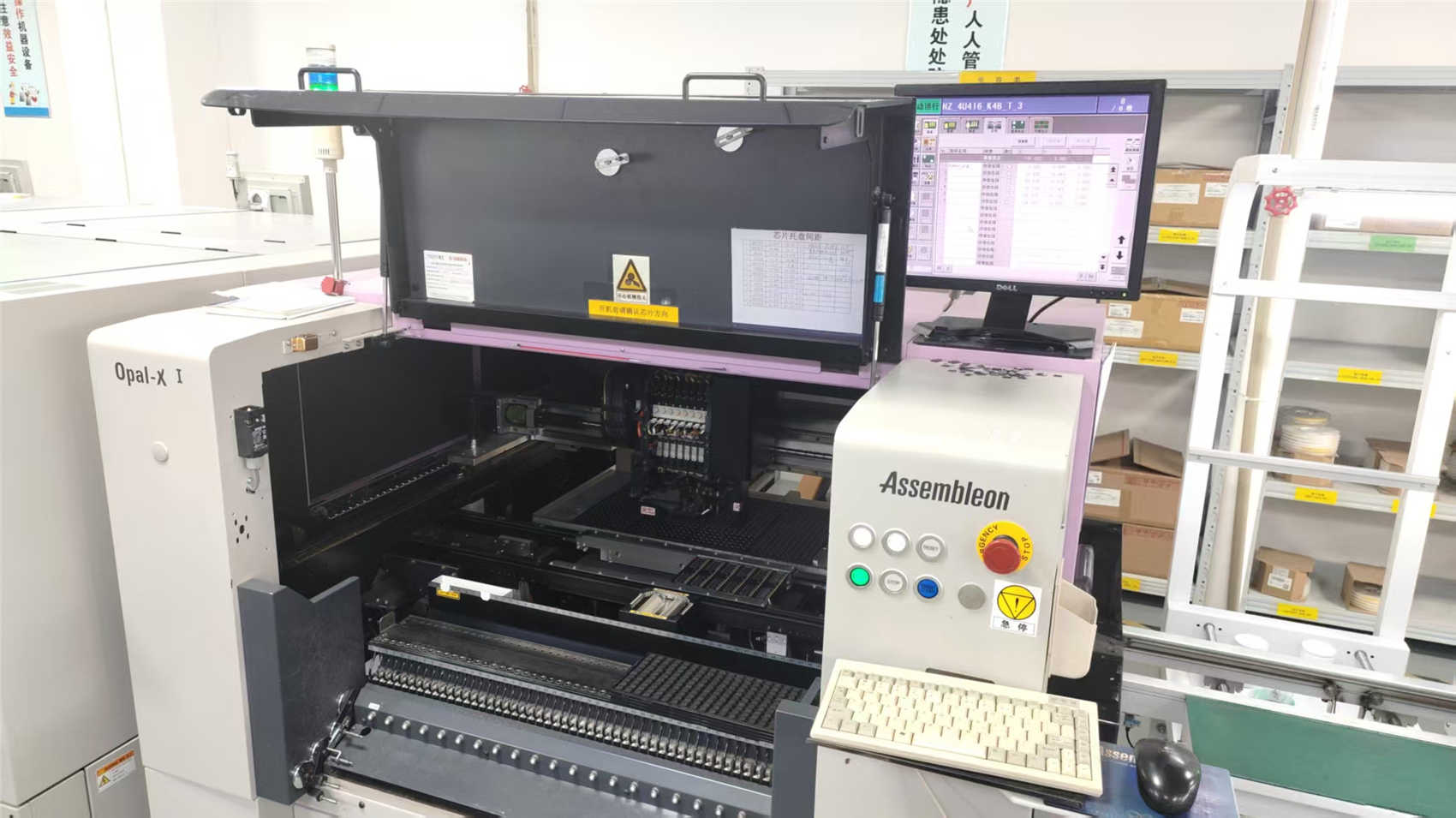
Modern Chinese manufacturing facilities have evolved beyond basic metal stamping. By integrating Industry 4.0 automation, advanced raw material vertical integration, and comprehensive quality assurance protocols, modern factories deliver significant competitive advantages:
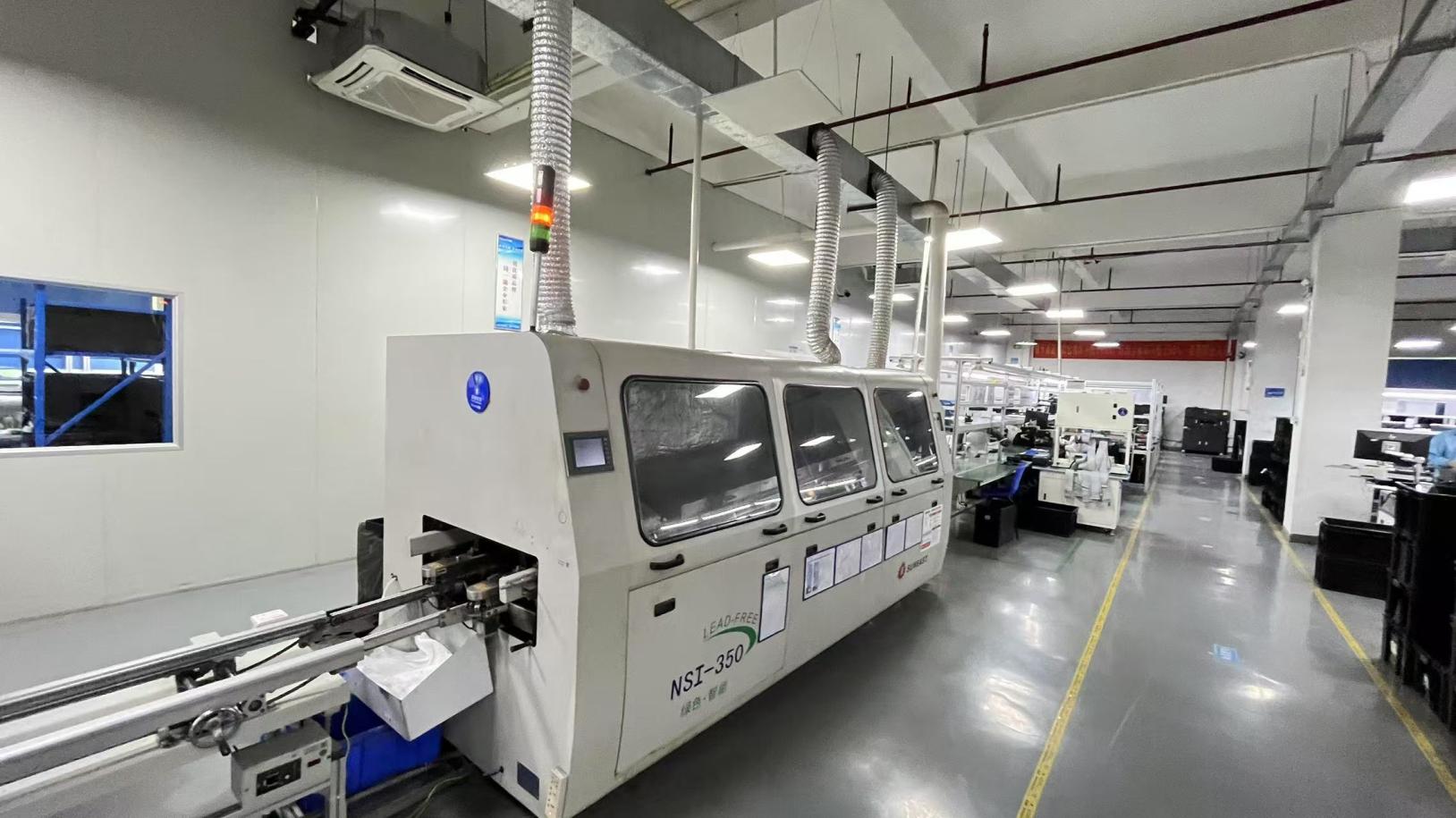
From automated vacuum filling of vapor chambers and laser-welding of heat pipes to automated helium leak detection systems, every step is monitored to eliminate defects. High-density, complex geometric thermal modules can be produced at scale while maintaining tight dimensional tolerances. This reliable supply chain, coupled with nearby raw copper and aluminum refining clusters, ensures stable lead times and cost-effective shipping networks for global customers.
Empowering computing infrastructure with enterprise memory and advanced thermal systems
Founded in 2016, Cynovex Semiconductor Co., Ltd. is a professional manufacturer specializing in high-performance DDR5 memory solutions for industrial, commercial, enterprise, and consumer applications. With a strong focus on innovation, quality, and reliability, Cynovex delivers advanced DRAM products that meet the evolving demands of global customers.
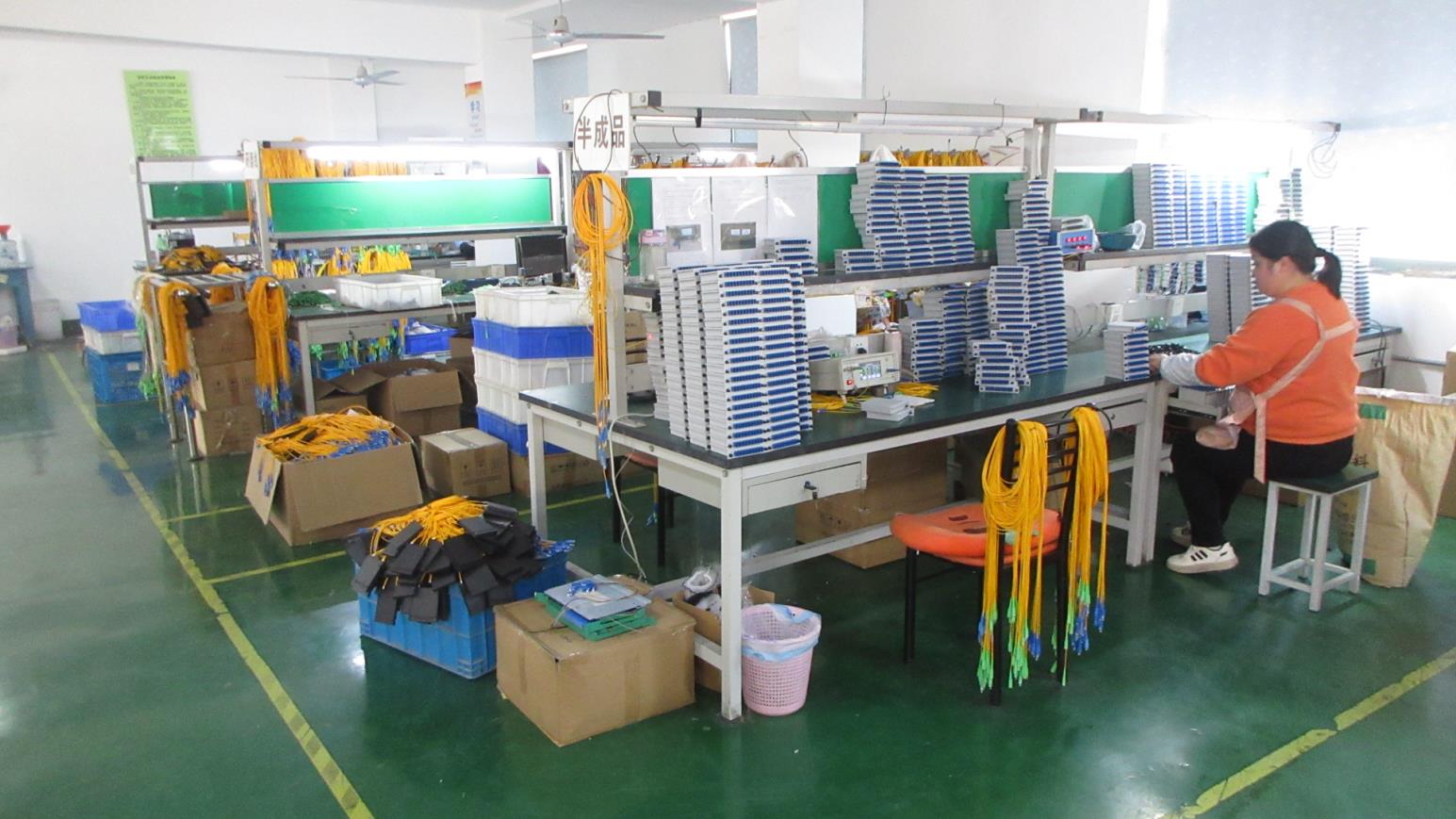
Operating from a modern manufacturing facility covering 18,600 m², the company integrates R&D, production, quality control, and international sales under one roof. Supported by an experienced engineering team and advanced manufacturing processes, Cynovex provides stable, high-speed memory products with consistent performance. Leveraging this advanced semiconductor manufacturing infrastructure, our enterprise division also supports complex cooling integration layouts, providing a unified hardware supply path for global server integrators.
Our annual export revenue exceeds USD 28 million, supported by 8 years of international export experience and 10 years of industry expertise. Every product undergoes rigorous quality assurance using 100% functional testing, burn-in testing, compatibility testing, signal integrity testing, and aging tests. A dedicated team of 56 quality inspectors ensures that every shipment meets strict international quality standards.
As an experienced OEM & ODM manufacturer, Cynovex serves customers across North America, Europe, Southeast Asia, the Middle East, South America, and Oceania. We maintain long-term partnerships with more than 1,150 supply chain partners, enabling stable material sourcing and efficient production.
Our primary customers include brand owners, distributors, wholesalers, system integrators, industrial equipment manufacturers, and e-commerce retailers. Backed by a strong independent R&d capability, we offer comprehensive customization services, including private labeling, logo printing, packaging customization, firmware optimization, capacity selection, and performance tuning.
Innovation is at the core of our business. In the past year, Cynovex successfully launched 138 new products, supported by a professional R&D team of 94 engineers dedicated to developing next-generation memory and thermal solutions.
Targeted layouts across diverse computing environments
To design an efficient cooling system, the hardware must align with the target physical space and server chassis. Here is how server radiators are adapted to different deployment scenarios:
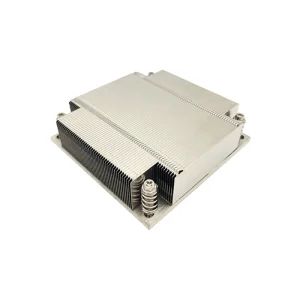
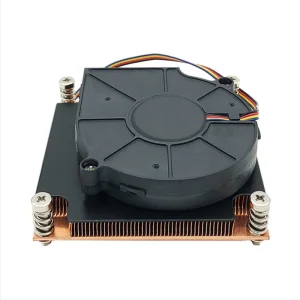
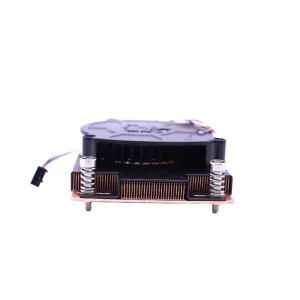
Edge nodes are frequently located outside traditional temperature-controlled data centers, such as telecom base stations or factory floors. Space is highly constrained, requiring 1U server chassis profiles where height limits are strictly under 40mm. To cool processors up to 150W in these environments, server radiators use pure copper skived fins. By machining the fins directly from a solid block of copper, thermal resistance is minimized. These designs are often coupled with high-velocity blower fans to pull air through dense configurations, ensuring stable operations for edge nodes, IoT gateways, and industrial controller units.
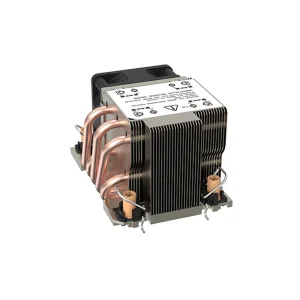
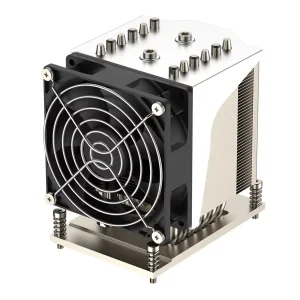
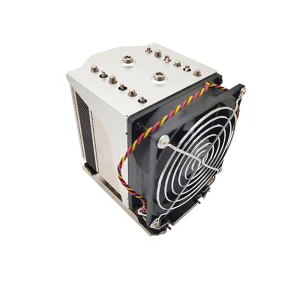
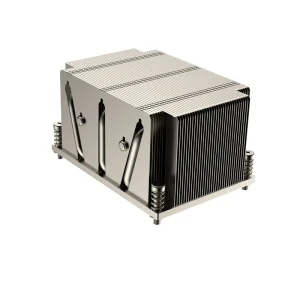
In standard data center environments, 2U and 4U chassis form factor limits are less restrictive, allowing for thicker radiators. This enables the use of aluminum zipper-fin stacks soldered to copper bases with multiple heat pipes (often ranging from 4 to 8 heat pipes). Active cooling configurations use larger dual-ball bearing fans that run at lower RPMs, reducing energy draw and decibel levels while providing sufficient airflow to cool high-performance 350W+ processors. These systems are critical for database virtualization, virtualization clusters, and enterprise storage arrays.
Modern AI processing units, GPU complexes, and high-TDP CPUs (like 400W LGA4677 blocks) generate heat loads that standard air cooling struggle to handle within standard spatial limitations. High-performance liquid cooling cold blocks feature micro-channel structures inside their copper bases. These channels increase the surface area in contact with the liquid coolant, transferring heat to remote heat exchangers or cooling towers. This architecture enables optimal performance for LLM training networks, financial modeling platforms, and high-performance computing (HPC) research environments.
Technical answers about server radiator engineering and sourcing
Explore our full catalog of high-capacity thermal options
 Cynovex