What is DDR5 Compatibility Guide for Global Buyers?

Time:2026-08-13 Author:Ethan
0%

In the rapidly evolving world of technology, understanding compatibility is crucial. DDR5 RAM represents a leap forward, promising increased performance and efficiency. However, navigating the landscape of DDR5 products requires knowledge. According to Dr. James Chen, a leading expert in memory technology, “The DDR5 compatibility guide is essential for making informed purchasing decisions.”

Many buyers encounter challenges when attempting to integrate new components into existing systems. A DDR5 compatibility guide can demystify these complexities. It helps clarify which motherboards, CPUs, and other components support DDR5 RAM. This guidance is particularly vital for gamers and professionals who depend on high-performance systems.

While the DDR5 standard holds immense promise, not all devices are ready for this transition. Conflicts may arise when attempting to mix older hardware with new DDR5 modules. Therefore, investing time in research is valuable. It's important to review compatibility lists, detailed specifications, and user feedback. A reliable DDR5 compatibility guide serves as a roadmap in this dynamic tech landscape.
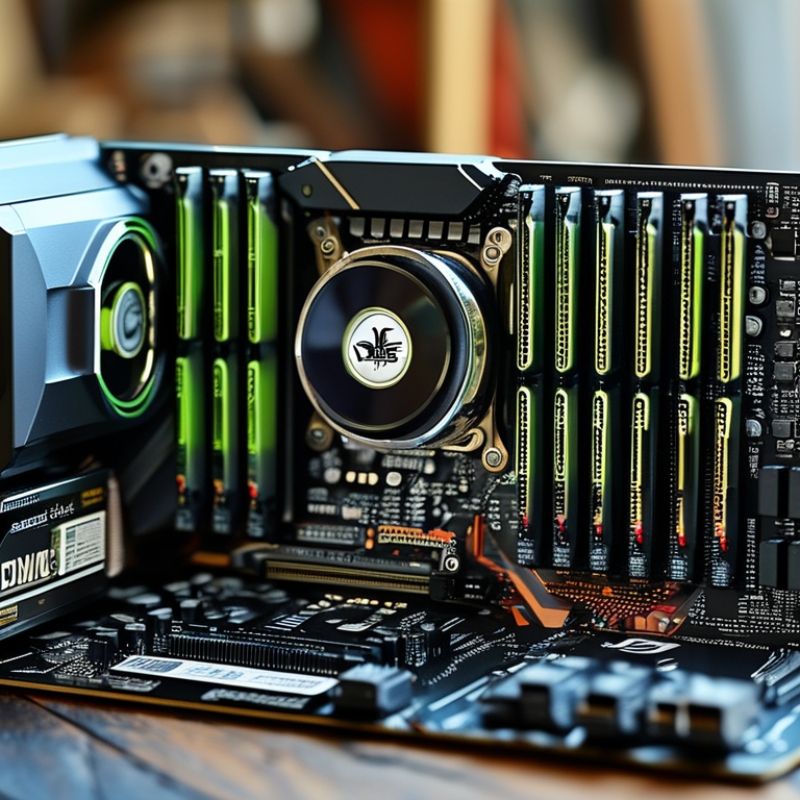
What is DDR5 Compatibility Guide for Global Buyers?

Understanding DDR5 Memory Technology and Its Advantages

DDR5 memory technology represents a significant evolution in the world of computing. Its design enhances speed, efficiency, and overall performance. Unlike its predecessor, DDR4, DDR5 can handle larger amounts of data more effectively. This is crucial for applications demanding high memory bandwidth. Gaming, AI processing, and content creation all benefit from this leap forward.

One remarkable feature of DDR5 is its higher bandwidth. It typically offers speeds ranging from 4800 MT/s to over 8400 MT/s. This enables processors to move data with greater speed. With this technology, multitasking is smoother. However, compatibility must be carefully considered. Not all motherboards support DDR5, and users need to verify specifications before purchasing.

While the benefits are evident, there are challenges too. The transition to DDR5 may bring issues like initial higher costs and availability. Users might find limited options for compatible components. This requires thorough research. Understanding the advantages of DDR5 while being aware of these hurdles can help buyers make informed decisions.

Key Compatibility Factors for DDR5 Memory Modules

When considering DDR5 memory modules, compatibility is crucial. Recent industry reports indicate that over 40% of users encounter compatibility issues with new memory standards. This is largely due to variations in motherboard support and the specifications of the CPUs used.

One key factor is the motherboard's compatibility with DDR5. Many manufacturers have released updated BIOS versions to support DDR5, but not all models may be equipped with it. Users should verify if their motherboard can handle DDR5 speeds. Additionally, the voltage requirements have shifted, with DDR5 operating at 1.1V compared to 1.2V in DDR4. This difference may lead to instability if mismatched.

Another aspect is the memory speed and timing. DDR5 promises higher bandwidth, but actual performance may vary. Reports show that systems optimized for lower latency DDR4 modules may not benefit from DDR5's advantages right away. Users need to check if they can leverage the potential of DDR5 effectively. This entails understanding both hardware and firmware intricacies, which can often be overlooked. Skipping this step may result in not maximizing the performance upgrades.

Motherboard Requirements for DDR5 Integration

When considering DDR5 integration, motherboard compatibility is crucial. A DDR5 motherboard requires a specific chipset designed to handle the new memory's performance capabilities. Typically, these motherboards are built on the Intel Z690 or AMD Ryzen 5000 platforms. Research from industry experts like Gartner indicates that DDR5 can significantly improve bandwidth, which is essential for high-performance tasks.

Most importantly, ensure that your motherboard has an appropriate number of DIMM slots. DDR5 modules come in dual-channel configurations, requiring at least two slots for optimal performance. The memory speed can reach impressive rates of up to 8400 MT/s, surpassing that of previous generations. However, not all motherboards can support these high speeds without specific firmware updates.

Tips: Always check your motherboard's manual for compatibility lists. Updating the BIOS can also enhance compatibility with newer DDR5 modules. Another point to consider is power management. DDR5 includes on-module power management, which can be beneficial, yet it may lead to slight anomalies during initial setups. Be prepared for potential troubleshooting; the integration process is not always seamless.

Selecting the Right DDR5 for Different Use Cases

When choosing DDR5 memory modules, understanding the specific use cases is crucial. DDR5 offers improved speed and efficiency over its predecessor, DDR4. For gaming, a speed of at least 4800 MT/s can enhance performance significantly. However, enthusiasts often opt for even higher speeds, like 6000 MT/s, to fully utilize advanced processors.

Professional applications, such as video editing or data analysis, benefit from higher capacities. Modules ranging from 16GB to 64GB are common in workstations. A recent industry report reveals that 64GB configurations are seeing a 50% increase in adoption among professionals. This trend underscores the need for ample memory to handle large datasets and intensive tasks.

However, compatibility remains a concern. Not all motherboards support DDR5, and some may limit the memory speeds. Incompatible modules can lead to underperformance or failure to boot. It's essential to consult reliable compatibility lists and manufacturer specifications before making a purchase. Keeping an eye on the evolving landscape of memory technology can be challenging but necessary to maximize investment.

Future Trends and Considerations for DDR5 Users

DDR5 memory is set to revolutionize the computing world. As users adapt to this new technology, understanding future trends is essential. DDR5 offers higher speeds and increased bandwidth, making it appealing for gamers, content creators, and data scientists. However, the transition is not smooth for everyone. Compatibility issues can arise, especially with older motherboards and CPUs lacking DDR5 support.

Tips for choosing DDR5 include first confirming motherboard compatibility. Not all motherboards are ready for DDR5, so check specifications closely. Additionally, consider the timing of your purchase. Waiting for a few months can lead to better prices and more robust options. Users should also pay attention to memory latency and timings, as these can impact overall performance.

As DDR5 becomes mainstream, users should reflect on their needs. Are they utilizing the full potential of DDR5? Purchasing without consideration can lead to overspending on unnecessary features. Continuous research and staying informed about advancements will enhance decision-making for DDR5 users. With rapid developments in memory technology, adaptability is key. Embracing change will ensure you leverage the full capabilities of DDR5.

FAQS

: What is DDR5 memory technology?

: DDR5 is an advanced memory technology that improves speed and efficiency in computing.

How does DDR5 compare to DDR4?

DDR5 can handle larger data amounts effectively, benefiting high-bandwidth applications.

What are the speed capabilities of DDR5?

DDR5 offers speeds ranging from 4800 MT/s to over 8400 MT/s, enhancing data movement.

Why is motherboard compatibility important for DDR5?

DDR5 requires specific motherboards with chipsets designed to support its performance capabilities.

What should I check before purchasing DDR5 modules?

Verify your motherboard's DIMM slots and its compatibility with DDR5 specifications.

Are there challenges when transitioning to DDR5?

Yes, issues like high initial costs and limited component availability may arise.

How can I improve compatibility with DDR5?

Check your motherboard’s manual and consider updating the BIOS for better integration.

What is on-module power management in DDR5?

It helps manage power efficiently, but may cause slight anomalies during setup.

Are there any troubleshooting concerns for DDR5 integration?

Yes, the integration process can be complex and may require careful troubleshooting.

What is the optimal configuration for DDR5 modules?

Use dual-channel configurations with at least two DIMM slots for best performance.

Conclusion

The "DDR5 Compatibility Guide for Global Buyers" serves as a comprehensive resource for understanding the intricacies of DDR5 memory technology. It highlights the advantages of DDR5, such as increased speed and efficiency, which are crucial for modern computing demands. A key aspect of this guide is the examination of compatibility factors that buyers need to consider when selecting DDR5 memory modules, including the specific motherboard requirements essential for successful integration.

Furthermore, the guide emphasizes the importance of selecting the right DDR5 memory for various use cases, from gaming to professional applications. As technology continues to evolve, the future trends and considerations for DDR5 users are also explored, ensuring that buyers are well-informed about their choices. This DDR5 compatibility guide ultimately aims to equip users with the knowledge necessary to make confident purchasing decisions in a rapidly advancing tech landscape.

Ethan

Ethan

Ethan is a seasoned marketing professional with a deep expertise in our company's innovative product line. With a passion for sharing knowledge and insights, he takes the lead in regularly updating our corporate blog, where he explores industry trends, product features, and effective marketing......