The introduction of DDR5 memory marks a significant leap in technology. It promises enhanced speeds and improved efficiency for various applications. According to Dr. Emily Chen, a leading expert in memory technology, "DDR5 is not just faster; it fundamentally changes how data is processed." This statement underscores the transformative nature of DDR5.
Understanding how DDR5 improves performance is crucial for global buyers. This new generation of memory introduces higher bandwidth and greater capacity. With speeds reaching up to 8400 MT/s, applications experience less lag and higher throughput. These advancements cater to gamers, data analysts, and AI professionals alike, all seeking better performance.
Yet, the shift to DDR5 brings challenges. Compatibility issues may arise with older hardware. Users must also weigh the cost of upgrading against performance gains. Ultimately, while DDR5 enhances capabilities, careful consideration is necessary. It invites reflection on whether the switch aligns with individual needs and budgets in an evolving tech landscape.
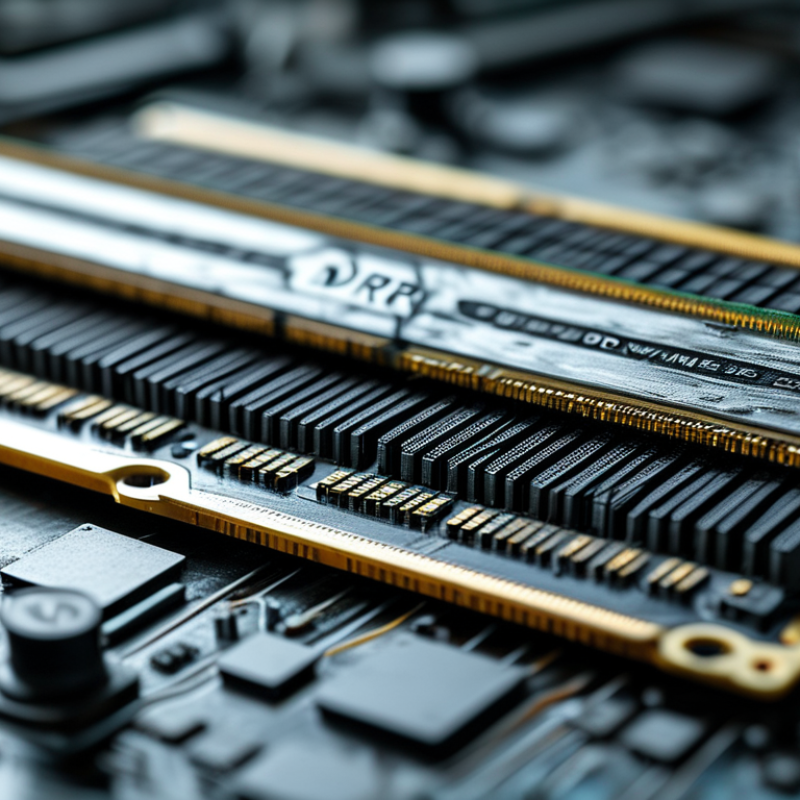
DDR5 technology significantly enhances performance, marking a leap in memory speed and efficiency. With a maximum data rate reaching 8400 MT/s, DDR5 effectively doubles the bandwidth compared to its predecessor, DDR4. This increased speed benefits both gamers and professionals who require high-performance applications. The higher bandwidth allows for smoother multitasking and improved responsiveness.
One of the standout features of DDR5 is its ability to manage power more efficiently. Voltage levels are reduced, which helps to extend battery life in laptops and mobile devices. This technology also introduces on-die ECC (Error Correction Code), enhancing data integrity and reliability. However, integration challenges may arise. Some existing motherboards may not support DDR5 without upgrades. This could lead to transitional hurdles for users aiming to embrace the new memory standard.
Moreover, while DDR5 promises remarkable improvements, it may take time for software and games to fully utilize its potential. Users might feel mixed results in real-world applications. This highlights the need for ongoing optimization as hardware evolves. Understanding these complexities can help buyers make informed decisions in their upgrade paths. Exploring DDR5’s features reveals both the advancements and challenges facing global consumers.
| Feature | Description | Benefit |
|---|---|---|
| Increased Bandwidth | DDR5 offers double the bandwidth of DDR4, reaching up to 6400 MT/s. | Enhanced data transfer speeds improve overall system performance. |
| Improved Efficiency | DDR5 operates at a lower voltage (1.1V), reducing power consumption. | Lower energy usage leads to longer battery life in mobile devices. |
| Larger Capacity | DDR5 supports capacities up to 64GB per module. | Allows for more memory-intensive applications and multitasking. |
| On-Die ECC | Error correction is performed on the chip itself. | Enhances reliability and data integrity during operations. |
| Dual-Channel Architecture | Enables multiple channels within a single memory module. | Maximizes throughput and reduces latency for demanding applications. |
: DDR5 is a memory technology that offers enhanced performance and efficiency. It significantly increases data rates compared to DDR4.
Users can see frame rates increase by 20-40% with DDR5. This allows for smoother gameplay and improved gaming experiences.
DDR5 operates at lower voltage levels. This improvement helps extend battery life in devices like laptops and mobile phones.
Yes, not all motherboards support DDR5. Users may need to upgrade their hardware for compatibility, leading to potential obstacles.
The increased bandwidth from DDR5 allows for better multitasking capabilities. Users can run multiple demanding applications more smoothly.
Initially, some applications may not leverage DDR5's speed effectively. Users might experience varied performance in real-world scenarios.
Users need to check hardware compatibility. Upgrading without considering this may lead to suboptimal performance.
DDR5 reduces render times in software like video editing. Tasks can be completed faster, which is essential under tight deadlines.
Balancing performance and efficiency can be tough. Users must also navigate the need for compatible systems when considering upgrades.
Ongoing optimization is needed for software to fully benefit from DDR5's improvements. Users should stay informed about advancements.
The article "How DDR5 Enhances Performance for Global Buyers?" delves into the advanced features of DDR5 technology, showcasing its significant improvements over previous generations. It provides a comprehensive comparative analysis, highlighting enhanced bandwidth, speed, and efficiency that DDR5 brings to various applications. Moreover, it emphasizes how DDR5 improves performance specifically for gaming and creative workflows, allowing users to experience seamless multitasking and faster processing times.
As we look toward the future, the article also explores the role of DDR5 in shaping evolving tech markets. With its capacity to meet the increasing demands of high-performance computing, DDR5 is set to become a game-changer, offering substantial benefits that are critical for both consumers and professionals alike. Overall, the article illustrates the transformative impact of DDR5 technology on performance and its potential to revolutionize the technology landscape.

 Cynovex