In today's rapidly evolving tech landscape, the importance of memory performance cannot be overstated. DDR5 for server performance represents a significant leap in technology. Experts are keen to discuss its transformative potential. Dr. Emily Carter, a leading technologist in server memory systems, states, “DDR5 will change the way servers handle data, driving efficiency to new heights.”
This innovation enables faster data transfer rates and increased bandwidth for servers. At a time when businesses depend on quick data processing, DDR5 becomes crucial. The need for greater efficiency is pressing. For instance, in cloud computing, where vast amounts of data are processed, DDR5 offers substantial improvements. However, many organizations have yet to upgrade their systems.
Adopting DDR5 for server performance requires careful consideration. Upfront costs and compatibility concerns are often barriers. Yet, the long-term benefits make it a worthwhile investment. As the tech industry evolves, priorities must shift towards adopting new standards. The path forward with DDR5 invites both opportunity and challenges.
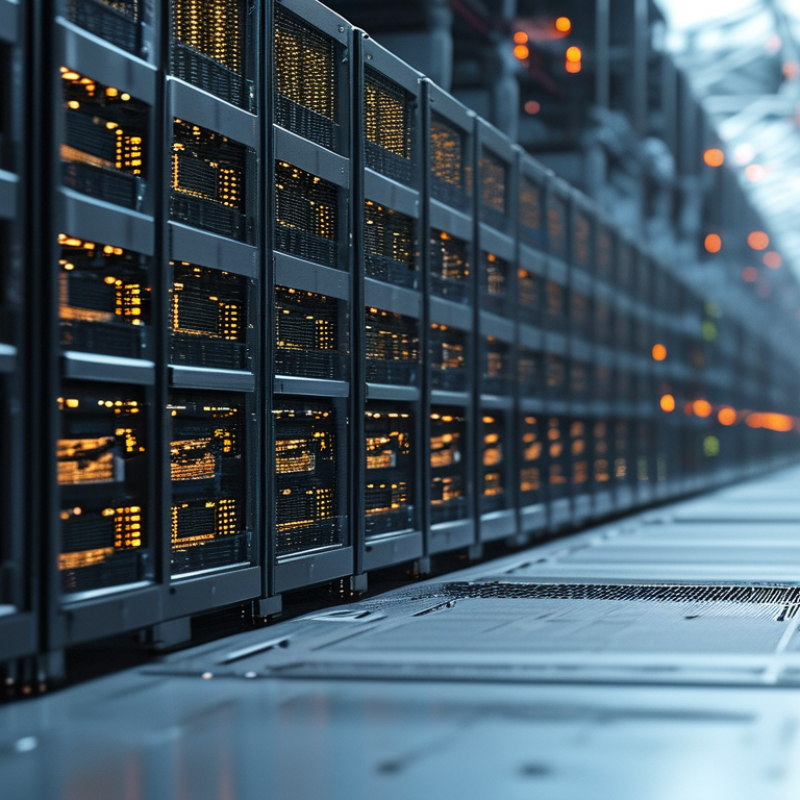
DDR5 technology marks a significant leap in server performance. It offers higher bandwidth and improved efficiency compared to its predecessor, DDR4. Analysts note that DDR5 can reach speeds up to 8400 MT/s, almost double the maximum of DDR4, which peaks around 3200 MT/s. This increase allows servers to handle more data simultaneously, crucial for demanding applications like AI, big data analytics, and cloud computing.
The importance of DDR5 lies not only in speed but also in energy efficiency. Reports indicate that DDR5 decreases energy consumption by roughly 20% per gigabyte. This reduction is essential for large data centers that prioritize power efficiency. With data centers projected to consume 8-13% of the world’s total electricity by 2030, every watt saved is critical. Yet, alongside these advancements, challenges remain. Adopting DDR5 involves higher costs initially, which some enterprises may find daunting. Thus, the migration process requires careful consideration.
As the industry evolves, DDR5's role in reshaping server infrastructure becomes clearer. Enhanced performance comes with new complexities. For example, ensuring compatibility with existing systems can be a hurdle for some organizations. The journey toward embracing DDR5 technology showcases the balance between innovation and practicality in the ever-growing tech landscape.
| Feature | DDR4 | DDR5 |
|---|---|---|
| Data Rate | Up to 3200 MT/s | 4800 MT/s and higher |
| Maximum Capacity | 32 GB per DIMM | 64 GB per DIMM |
| Bandwidth | 25.6 GB/s | 51.2 GB/s and higher |
| Power Consumption | 1.2V | 1.1V |
| Latency | 15-19 ns | 13-18 ns |
| Burst Length | 8 | 16 |
DDR5 is a significant advancement in server memory technology, revolutionizing the way data is processed. One of its key features is increased bandwidth, offering rates up to 8400 MT/s, compared to DDR4's 3200 MT/s. This enhancement is crucial for applications requiring high-speed data transfer, such as AI and big data analytics. As detailed in industry reports, DDR5 can improve data rates by more than two times, allowing servers to handle greater workloads efficiently.
Another notable advantage is the increased capacity per module. DDR5 supports up to 64GB per module, while DDR4 is typically limited to 16GB. This shift enhances memory scalability, essential for cloud computing and virtualization environments. Additionally, DDR5 introduces on-die ECC (Error Correction Code), improving reliability and data integrity. Research indicates that systems using DDR5 can achieve up to 15% better power efficiency, which is vital for reducing operational costs and environmental impact.
However, the transition to DDR5 comes with challenges. Compatibility issues may arise with existing systems still relying on DDR4. Adoption across the industry may take time as organizations weigh the costs against the benefits. Despite this, the compelling performance improvements and efficiency gains position DDR5 as a cornerstone for next-generation server performance.
DDR5 memory is an exciting advancement in server technology. It promises greater speed and efficiency, crucial for handling data-intensive applications. With increased bandwidth, DDR5 allows servers to process larger amounts of data simultaneously.
The impact on performance is substantial. Businesses can expect faster data retrieval and better multitasking capabilities. This means quicker response times for users and improved overall system reliability. Power efficiency is also a key benefit. DDR5 consumes less energy while delivering higher performance, which helps reduce operational costs.
However, not all servers may benefit equally from DDR5. Some existing infrastructures might struggle to fully utilize its advantages. Transitioning to DDR5 requires investment and careful planning. Decisions should be made based on specific needs and application requirements. Evaluating the compatibility and potential gains is essential for effective implementation.
In modern server architectures, DDR5 serves as a pivotal element, enhancing overall performance and efficiency. Research indicates DDR5 can deliver data rates of up to 8400 MT/s, which is a significant leap from its predecessor, DDR4. This increase enables faster data processing and improved bandwidth allocation, particularly beneficial for data-intensive applications like AI and cloud computing. A study showed that servers equipped with DDR5 exhibited a 30% reduction in latency metrics compared to older generations.
Moreover, DDR5 supports increased memory capacity per module. This advancement allows servers to handle more simultaneous workloads, essential for environments that require high availability. For instance, companies managing large databases or performing real-time analytics can leverage DDR5 to scale resources without compromising performance. These enhancements contribute to operational efficiencies while potentially lowering energy costs by improving performance-per-watt ratios.
Despite these advancements, challenges remain. Transitioning to DDR5 may require updates to existing server infrastructures. Organizations must invest time and resources to ensure compatibility and optimization. The transition also poses risks, such as initial cost surges that could deter some businesses. Reflecting on these aspects forces a deeper consideration of when and how to implement DDR5 effectively for maximum benefit.
Implementing DDR5 in servers presents significant challenges and considerations that industry professionals must address. DDR5 promises improved performance and efficiency, but transitioning from DDR4 requires careful planning. The increased bandwidth of DDR5, reaching up to 6400 MT/s, can enhance multitasking capabilities. However, this upgrade also demands compatible hardware and firmware, which many existing systems may lack.
There are also concerns regarding power consumption and heat generation. DDR5 operates at a lower voltage, but the increased density of memory chips can lead to thermal issues. A recent report indicates that improper cooling strategies can reduce performance by nearly 15%. Moreover, server administrators need to evaluate the potential risks of data integrity and reliability when adopting new technology. Without proper testing, the benefits of DDR5 may not be fully realized.
Training personnel is another challenge. Staff must be educated on DDR5's architecture and capabilities. Many teams lack experience with this new technology. According to industry surveys, nearly 40% of IT managers feel unprepared for DDR5's rollout. This highlights the need for continuous learning and adaptation in an ever-evolving technological landscape.
: DDR5 technology significantly enhances server performance with higher bandwidth and improved efficiency compared to DDR4.
DDR5 can reach speeds up to 8400 MT/s, nearly double DDR4's maximum of 3200 MT/s.
DDR5 reduces energy consumption by around 20% per gigabyte, which is crucial for large data centers.
Transitioning to DDR5 involves higher initial costs and requires compatible hardware and firmware.
Many existing systems might lack compatibility, posing a hurdle for organizations adopting DDR5.
DDR5's increased chip density can lead to heat issues, potentially reducing performance if cooling is inadequate.
Risks to data integrity and reliability may arise without proper testing when adopting new technology like DDR5.
Yes, many staff members feel unprepared for DDR5, highlighting the need for continuous education on new technologies.
Improper cooling can reduce DDR5 performance by nearly 15%, making effective thermal management essential.
Enterprises should weigh costs, compatibility, power consumption, and staff training when considering DDR5 adoption.
DDR5 for server performance represents a significant advancement in memory technology, designed to meet the demands of modern server architectures. The development of DDR5 brings key features such as increased bandwidth, higher capacity, and improved power efficiency over its predecessor, DDR4. These enhancements not only boost data transfer rates but also enable servers to handle more simultaneous workloads, which is critical for applications requiring rapid data processing.
As organizations strive for greater efficiency, the impact of DDR5 on server performance becomes increasingly important. It supports emerging workloads in areas like artificial intelligence and big data, making it a vital component for future-ready infrastructure. However, implementing DDR5 in servers does come with challenges, including compatibility and cost considerations. Overall, DDR5 is set to redefine server capabilities, making it an essential topic for IT professionals and decision-makers.

Cynovex