DDR5 RAM represents the next generation of memory technology. Many tech enthusiasts are asking, "What is DDR5 RAM?" This new standard offers significant advancements over its predecessor, DDR4. According to industry reports, DDR5 can provide up to 6400 MT/s and beyond, nearly double the speed of DDR4, which maxes out around 3200 MT/s.
This speed increase is crucial for high-performance computing tasks. Gamers, content creators, and professionals in data-heavy fields will benefit from its improved bandwidth. Reports suggest a boost in overall system performance by up to 50% in certain applications. However, potential users should carefully consider their needs. Not every user will see the same level of benefit.
DDR5 is not just about speed. It also improves efficiency and capacity, allowing for larger memory modules. However, higher costs and compatibility issues with existing hardware may deter some buyers. As with any upgrade, it is vital to weigh the advantages against the investment.
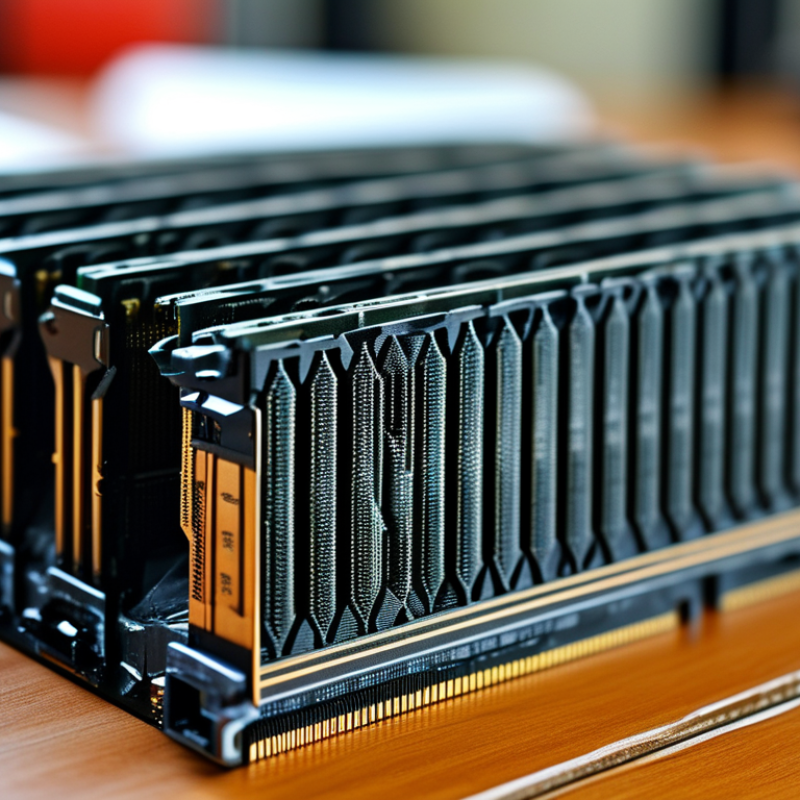
What is DDR5 RAM?
DDR5 RAM, the latest iteration of memory technology, offers substantial improvements over its predecessor, DDR4. With a data rate up to 8400 MT/s, DDR5 promises higher bandwidth and improved performance. According to industry reports, DDR5 can provide double the bandwidth, enhancing multitasking capabilities for both gaming and demanding applications.
One notable feature is its increased capacity. DDR5 modules can support up to 64 GB per stick. This is significant for users running intensive applications. A recent study from Memory Insights reveals that the demand for higher memory capacity is rising, especially in gaming and AI computing sectors. This demand underscores the transition to DDR5 technology.
Despite its advantages, DDR5 RAM comes with a caveat. Users may face higher costs compared to DDR4. Additionally, early adopters might experience compatibility issues with existing hardware. These are considerations worth reflecting upon. While DDR5 holds promise, evaluating your specific needs and current setup is essential. As technology evolves, being informed is crucial.
Key Features and Advantages of DDR5 RAM
DDR5 RAM represents a significant leap in memory technology, offering enhanced performance, efficiency, and capacity. One of the standout features is its increased data rate. DDR5 can reach speeds of up to 8400 MT/s, which is approximately 50% faster than its predecessor, DDR4. This speed boost allows data to be processed more quickly, making it an attractive option for gamers and content creators alike.
Another advantage of DDR5 is its improved bandwidth. With a bandwidth of up to 64 GB/s, it supports high-performance applications more efficiently. This is particularly beneficial for tasks needing large data transfers, like 4K or 8K video editing. Additionally, DDR5 introduces better power efficiency with a lower voltage requirement, typically around 1.1V compared to 1.2V for DDR4. This reduction can lead to less heat generation and lower energy consumption, which is essential for mobile devices and laptops.
However, adopting DDR5 is not without its considerations. The technology is newer, meaning it can be pricier compared to DDR4. Furthermore, compatibility with existing hardware can be an issue. Not all motherboards support DDR5 yet, necessitating potential upgrades. This situation raises questions about long-term investment versus immediate needs in tech enhancements. As the landscape evolves, these trade-offs will require careful reflection.
What is DDR5 RAM and Why You Should Consider It? - Key Features and Advantages of DDR5 RAM
| Feature |
DDR4 |
DDR5 |
| Data Rate |
Up to 3200 MT/s |
4800 MT/s and higher |
| Capacity |
Up to 64 GB |
Up to 128 GB |
| Channel Architecture |
Single 64-bit channel |
Dual 32-bit channels |
| Power Consumption |
1.2 V |
1.1 V |
| Latency |
15-19 ns |
18-20 ns |
| Bandwidth |
25.6 GB/s |
38.4 GB/s and higher |
Performance Improvements Over DDR4 RAM
DDR5 RAM represents a significant advancement over its predecessor, DDR4. With data rates starting from 4800 MT/s, DDR5 offers remarkable bandwidth improvements. This increase is crucial for memory-intensive applications such as gaming, graphic design, and data analysis. In fact, industry reports suggest that DDR5 can deliver up to 50% more bandwidth compared to DDR4.
Additionally, DDR5 RAM is designed to enhance energy efficiency. It operates at 1.1 volts, which is lower than DDR4's 1.2 volts. This small reduction can lead to significant power savings in high-performance systems. Moreover, DDR5 introduces features like dual-channel architecture, which improves memory access speed and overall performance. However, it is essential to consider compatibility. Not all motherboards support DDR5, and upgrading can sometimes require additional costs.
The performance gains are undeniable, yet potential buyers must weigh their current setup against these advancements. While DDR5 holds promise for future-proofing your system, the immediate necessity might vary. For typical users, DDR4 may still suffice for everyday tasks. Owners of high-demand systems should evaluate their specific needs before making a leap to DDR5.
Compatibility Considerations for DDR5 RAM
When considering DDR5 RAM, compatibility is a key factor.
DDR5 operates on different specifications compared to its predecessor, DDR4. The module architecture has changed significantly, which means not all motherboards support DDR5. According to a recent market analysis, around
70% of current gaming motherboards on the market are still DDR4 compatible. Thus, users need to check their motherboard specifications carefully before upgrading.
In terms of performance,
DDR5 offers impressive data rates, often upwards of 4800 MT/s. However, this increased speed comes at a cost. Not every application can fully utilize these speeds due to other potential bottlenecks. Users should consider whether their CPU and motherboard can support the enhanced speeds and bandwidth. If not,
the performance gains may be minimal.
Another aspect to consider is the timing and voltage requirements of DDR5. These specifications differ from previous generations, which could lead to instability if combined incorrectly. A recent survey indicated that
20% of systems experience compatibility issues when upgrading to DDR5 due to improper configurations.
Therefore, understanding these compatibility nuances is crucial for anyone looking to maximize their system's potential.
Use Cases and Applications for DDR5 RAM
DDR5 RAM is revolutionizing computer performance, making it an exciting option for various applications. One key use case is in gaming, where high-speed data transfers can enhance frame rates and reduce lag.
Gamers need quick response times, and DDR5 provides that edge, with quicker loading times and smoother visuals.
Content creators also benefit significantly from DDR5. Video editing, 3D rendering, and graphic design demand substantial memory bandwidth. DDR5 offers improved capacity and speeds, allowing creators to work more efficiently. However, not all applications require such high performance. For basic tasks like browsing or document editing, the advantages of DDR5 may not justify the cost.
Data centers and servers can harness DDR5's capabilities as well. They handle vast amounts of data, and faster memory transfers can improve processing times. This efficiency can lead to cost savings. Still, organizations must assess whether the investment is necessary based on their current infrastructure. Compatibility with existing systems is another consideration that shouldn't be overlooked. Making the switch to DDR5 is about more than just speed; it requires a thoughtful, strategic approach.
FAQS
DDR5 can achieve speeds up to 8400 MT/s, making data processing faster and more efficient.
DDR5 modules can support up to 64 GB per stick, ideal for intensive applications like gaming.
Yes, DDR5 can be more expensive than DDR4 and may have compatibility issues with existing hardware.
Gamers enjoy faster loading times and smoother visuals, enhancing performance during gameplay.
Absolutely, it improves efficiency in video editing and graphic design with better speeds and capacity.
Not necessarily. Basic tasks like browsing may not benefit enough to justify the cost of DDR5.
DDR5 operates at a lower voltage, reducing heat and energy consumption, which is great for mobile devices.
They should evaluate current infrastructure needs and compatibility issues, not just the performance gains.
It’s important to reflect on your specific requirements and whether current hardware supports DDR5.
Conclusion
What is DDR5 RAM? DDR5 RAM is the latest generation of double data rate synchronous dynamic random-access memory, designed to provide significant performance enhancements over its predecessor, DDR4. Key features of DDR5 include higher data transfer rates, improved energy efficiency, and increased bandwidth, making it an ideal choice for demanding applications such as gaming, video editing, and data-intensive tasks.
The performance improvements over DDR4 are substantial, with DDR5 offering double the bandwidth, thereby enabling faster processing of large datasets. However, users should consider compatibility, as DDR5 requires specific motherboards and chipsets to function. Use cases for DDR5 RAM are expanding, making it an important investment for future-proofing systems in a landscape where high performance is increasingly necessary for both gaming and professional applications.

 Cynovex