DDR5 vs DDR4 Which Memory Upgrade is Best for You?

Time:2026-07-09 Author:Ethan
0%

As the debate over memory upgrades intensifies, many consumers face a crucial decision. The DDR5 vs DDR4 comparison has gained attention in tech circles. Recent studies indicate that DDR5 offers 50% higher bandwidth than its predecessor. This can significantly impact tasks requiring high memory speeds, like gaming and content creation. "Choosing the right memory can elevate performance," says Dr. Lisa Tran, a leading memory technology expert.

While DDR5 promises improved efficiency, the cost is considerably higher. For many users, DDR4 still meets their needs at a lower price point. A recent report from Tech Insights forecasts that in 2024, the DDR4 market will still account for 62% of total memory sales. This indicates a substantial demand for the older technology, despite the advantages of DDR5.

However, as applications evolve, so do memory requirements. Balancing cost against performance can be challenging. Some users might overlook the potential benefits of upgrading to DDR5. Each decision reflects unique usage patterns and budget constraints, making this comparison essential for anyone considering an upgrade.
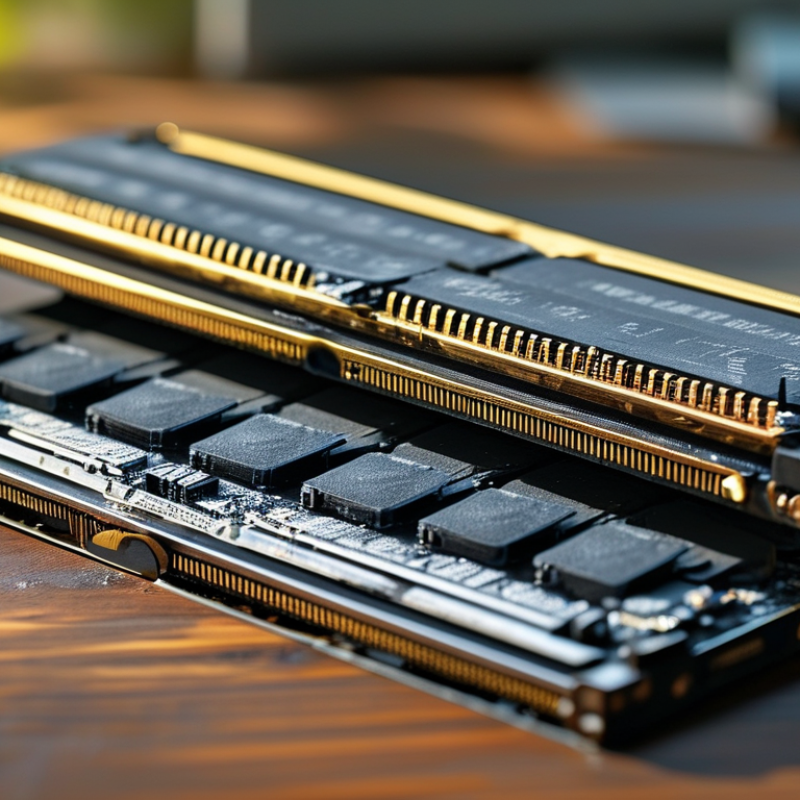
DDR5 vs DDR4 Which Memory Upgrade is Best for You?

Overview of DDR4 and DDR5 Memory Technologies

DDR4 and DDR5 represent significant advancements in memory technology. DDR4 has been standard for many years, with a maximum data rate of 3200 MT/s. It has served well in gaming and productivity tasks. Over 90% of personal computers still use DDR4, emphasizing its reliability and wide compatibility.

DDR5, however, shows promising innovations. It can achieve data rates starting at 4800 MT/s, with plans to reach up to 8400 MT/s. This increase can enhance performance in data-intensive applications. According to the JEDEC Solid State Technology Association, DDR5 can support higher capacities per module, potentially doubling the amount of RAM in a single stick. This capability is crucial for future-proofing systems as software requirements grow.

Despite these benefits, some challenges exist. DDR5 is currently more expensive and less widely available than DDR4. Not all motherboards support DDR5, leading to potential compatibility issues. Users may find that upgrading can be costly and complicated, especially if they need to replace other components. Additionally, many gamers report only marginal performance improvements when switching to DDR5, especially in less demanding tasks. Understanding these dynamics is essential before making an investment in newer memory technologies.

Key Differences Between DDR4 and DDR5 Performance

When considering an upgrade from DDR4 to DDR5 memory, understanding their performance differences is crucial. DDR5 memory offers significant improvements. It operates at clock speeds ranging from 4800 MT/s up to 8400 MT/s, compared to DDR4's 2133 MT/s to 3200 MT/s. This increase in bandwidth directly translates to better multitasking and faster data processing.

Another important aspect is latency. While DDR5 shows improved bandwidth, it comes with slightly higher latency. Reports suggest that DDR5 latency typically sits around 40-50 ns, while DDR4 boasts latency as low as 16-19 ns. This trade-off might raise concerns about how latency impacts real-world performance, especially in gaming or heavy workloads.

Moreover, power efficiency is a determining factor. DDR5 operates at 1.1V compared to DDR4’s 1.2V. This reduction means lower power consumption and potentially better thermal performance, which can be especially beneficial for laptops and compact devices. However, many users may not immediately notice this efficiency in typical applications. Upgrading to DDR5 could be wise for future-proofing your system, but assessing your specific needs is vital.

Compatibility Considerations for DDR4 vs DDR5 Upgrades

When considering a memory upgrade from DDR4 to DDR5, compatibility is crucial. DDR5 modules may fit physically in a DDR4 slot, but they will not work. Always check your motherboard specifications before purchasing new RAM. If you're building a new system, opting for a DDR5 motherboard could be wise. However, upgrading an existing setup often means sticking with DDR4.

Tips: Check your motherboard documentation to ensure DDR5 support. This avoids potential frustration and waste of time. If your CPU supports DDR5, upgrading may yield significant performance improvements.

Existing DDR4 users could benefit from smaller upgrades. Adding more DDR4 RAM might be sufficient for everyday tasks. Assess your usage: gaming and content creation might demand more than basic computing needs.

Tips: Monitor your system performance. If you often hit near capacity, it's time to consider upgrading. Reflect on your current needs before making a decision. Sometimes, staying with DDR4 offers better compatibility and cost-effectiveness.

DDR5 vs DDR4 Memory Speed Comparison

Cost Analysis: Is DDR5 Worth the Investment?

When considering an upgrade from DDR4 to DDR5, cost plays a crucial role. DDR5 memory typically costs 30% to 50% more than its predecessor. In a 2023 report by industry experts, the average price for a 16GB DDR5 kit was noted to be around $130, while DDR4 kits were about $90. This significant difference raises questions about the actual benefits of making the switch.

Performance improvements in DDR5 can be impressive. It offers higher bandwidth, supporting speeds of up to 8400 MT/s compared to DDR4's maximum of 3200 MT/s. However, not all users will notice this enhanced speed. Daily tasks and basic gaming may not fully utilize the potential of DDR5. A GPU bottleneck can occur, limiting the advantages in real-world scenarios. For users who mainly engage in casual computing, this investment might not yield the expected return.

Moreover, as of late 2023, not all motherboards support DDR5, which means an additional investment might be required. While DDR5 could be the future of gaming and computing, the current landscape shows that DDR4 remains a viable option for many users. Evaluating your specific needs and usage is essential to determine if the higher costs align with the expected performance benefits.

Use Cases: When to Choose DDR4 or DDR5 for Your Setup

When considering memory upgrades, the choice between DDR4 and DDR5 depends largely on your specific use case. For general tasks like browsing, streaming, or office work, DDR4 remains highly competent. It provides ample speed and efficiency at a lower cost. Many budget-conscious users will find DDR4 perfectly sufficient for their needs.

On the other hand, if you're into high-performance gaming, video editing, or running heavy applications, DDR5 could be the better option. This newer technology boasts higher speeds and lower latency, essential for demanding tasks.

However, not all motherboards support DDR5 yet, which could lead to compatibility issues. Upgrading to DDR5 without the right motherboard can be frustrating and costly.

Ultimately, the decision should be based on your current setup and future needs. Assess your software requirements and performance goals before upgrading. Remember, choosing the wrong memory type can lead to suboptimal performance and wasted investment. It’s essential to weigh both options carefully.

FAQS

: What are the key speed differences between DDR4 and DDR5?

: DDR5 operates at clock speeds between 4800 MT/s and 8400 MT/s, while DDR4 ranges from 2133 MT/s to 3200 MT/s.

Is latency a concern when choosing DDR4 or DDR5?

Yes, DDR5 has higher latency, around 40-50 ns, compared to DDR4’s 16-19 ns. This could affect performance in gaming.

How does power efficiency compare between DDR4 and DDR5?

DDR5 uses less power at 1.1V versus DDR4’s 1.2V. However, users may not notice significant differences right away.

Can DDR5 modules work in DDR4 slots?

No, DDR5 modules will not function in DDR4 slots. Always check motherboard specifications before upgrading.

When is it beneficial to upgrade to DDR5?

For high-performance tasks like gaming or video editing, DDR5 offers advantages. Assess your specific needs before deciding.

Is DDR4 sufficient for everyday tasks?

Yes, for browsing and streaming, DDR4 is still very capable and cost-effective for most users.

What should I monitor before upgrading my RAM?

Check system performance and capacity usage. If you're frequently near capacity, it could be time to upgrade.

Are all motherboards compatible with DDR5?

No, not all motherboards support DDR5. Ensure compatibility before purchasing to avoid frustration.

How can existing DDR4 users benefit from simple upgrades?

Adding more DDR4 RAM could meet everyday needs without upgrading to DDR5. Assess usage prior to making changes.

What happens if I choose the wrong memory type?

Choosing the wrong memory can lead to poor performance and wasted money. Carefully weigh your options before upgrading.

Conclusion

The article "DDR5 vs DDR4 Which Memory Upgrade is Best for You?" delves into the fundamental differences between DDR4 and DDR5 memory technologies. It begins with an overview of both types, highlighting their respective architectures and capabilities. The key differences in performance, such as speed and bandwidth enhancements in DDR5, are examined in detail, showcasing the advantages it brings to modern computing tasks.

Moreover, the article addresses compatibility considerations, pointing out that DDR5 may not work with all existing motherboards, making it crucial for users to evaluate their current setups. A thorough cost analysis is provided to help determine if the higher price of DDR5 is justified based on individual needs and budget. Finally, specific use cases are presented, illustrating scenarios in which choosing DDR4 or DDR5 would be most beneficial. Overall, this DDR5 vs DDR4 comparison serves as a valuable guide for users pondering their next memory upgrade.

Ethan

Ethan

Ethan is a seasoned marketing professional with a deep expertise in our company's innovative product line. With a passion for sharing knowledge and insights, he takes the lead in regularly updating our corporate blog, where he explores industry trends, product features, and effective marketing......