What Is ECC DDR5 RAM Top 10 Facts Buyers Need to Know?

Time:2026-09-07 Author:Mason
0%

What is ECC DDR5 RAM? It is DDR5 memory designed to detect and correct certain data errors during operation. This capability matters when a single flipped bit could corrupt calculations, databases, or virtual machines. ECC does not make a system invincible. It reduces specific risks.

For buyers, the real question is compatibility. A memory module may be labeled ECC, yet the processor and motherboard must support ECC operation. Registered ECC and unbuffered ECC also serve different platforms. Check the motherboard manual, CPU specifications, BIOS notes, and qualified vendor list before ordering. Small details matter here. A workstation may accept DDR5 speed, capacity, and voltage, but still disable error correction.

This guide examines ten practical facts, including error correction, module types, capacity planning, timings, power management, thermal behavior, and total cost. It also explains why advertised transfer rates can distract from stability and platform support. In a server room, reliable memory can protect hours of processing and reduce unexplained application failures. However, ECC is not a substitute for backups, monitoring, or validated software. That point is easy to overlook.

A sensible buying decision compares complete system behavior, not one impressive specification. Use tools such as memory diagnostics and operating-system logs after installation. Confirm that ECC is active, rather than assuming it works automatically. Even experienced buyers can miss this step. The technology is powerful, but the terminology remains confusing, and manufacturers do not always present it consistently. These ten facts provide a clearer, evidence-based path toward choosing ECC DDR5 RAM with fewer expensive surprises.
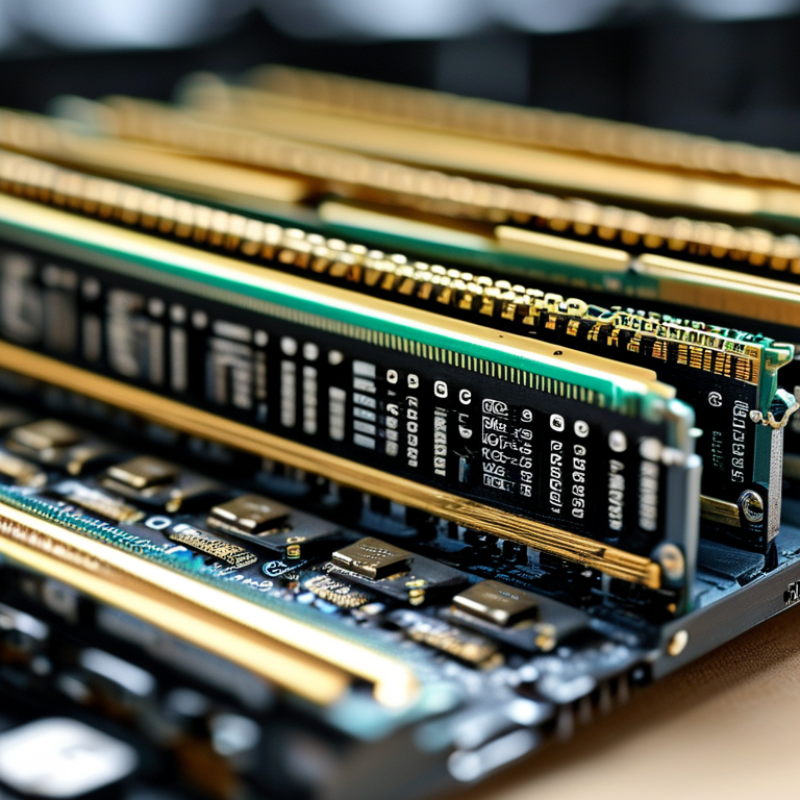
What Is ECC DDR5 RAM Top 10 Facts Buyers Need to Know?

What ECC DDR5 RAM Means and How It Works

ECC DDR5 RAM combines the speed of DDR5 with error correction for more dependable computing. ECC means Error-Correcting Code. It detects and corrects certain memory errors before they affect active data. This matters in servers, workstations, scientific systems, and long-running professional tasks.

DDR5 introduces on-die ECC inside each memory chip. However, that feature is not the same as full system-level ECC. On-die ECC helps the chip manage internal faults, while true ECC memory also communicates error information to the memory controller. The platform must support ECC, and the motherboard firmware must recognize the installed module. Otherwise, the correction function may remain unavailable.

Tips: Check the processor, motherboard, and module documentation together. Do not assume every DDR5 system supports ECC. Verify whether the memory is registered or unbuffered, because these types are not interchangeable. Match capacity, speed, voltage, and module layout carefully. Stability is often more valuable than a small frequency increase.

In practical testing, ECC can reveal problems that ordinary memory might silently pass. A corrected error is useful evidence, not a reason to panic. Repeated errors deserve investigation. My first mistake was treating “DDR5 ECC” as one universal standard. It is not. Some specifications describe chip-level protection, while others describe complete platform-level correction. For critical workloads, review error logs and confirm correction behavior under real operating conditions. Anecdotes help, but measured compatibility matters more.

The Main Types of ECC DDR5 Memory Explained

What Is ECC DDR5 RAM? The Main Types Explained

ECC DDR5 memory is not one single product category. It describes DDR5 modules that detect, and sometimes correct, memory errors. DDR5 chips also include on-die ECC, but that feature is not the same as full module-level ECC. Buyers should check both specifications carefully.

ECC DDR5 UDIMMs are unbuffered and usually suit compatible workstations, entry-level servers, and professional desktops. They offer a simpler design and may provide lower latency. ECC RDIMMs include registers that reduce the electrical load on the memory controller. This makes them common in servers using many modules. ECC LRDIMMs add load-reducing buffers, allowing higher capacities in demanding systems. They can help large servers, but their platform requirements are stricter. Mixing these types usually fails, even when the speed rating looks identical.

Tips: Confirm the motherboard or server manual before purchasing. Check support for ECC, module type, capacity, rank, and maximum speed. Do not assume every DDR5 slot accepts registered memory. Also remember that error correction cannot repair a failing processor or unstable power supply. In real installations, compatibility creates more trouble than the memory label. The terminology remains confusing. A careful buyer should verify the system’s supported memory list, then test the installed modules with a diagnostic tool. Some advertised “ECC” products may only refer to on-die ECC, which offers less protection than many users expect.

What Is ECC DDR5 RAM? Top 10 Facts Buyers Need to Know

A standard ECC DDR5 DIMM commonly uses a 72-bit interface: 64 bits carry user data and 8 bits carry error-correction information. This chart shows the bit allocation for a conventional x72 ECC module.

  1. ECC detects and corrects selected single-bit memory errors and detects many multi-bit errors.
  2. DDR5 devices include on-die ECC, but on-die ECC is not the same as system-level ECC.
  3. Module-level ECC requires compatible memory modules, a compatible memory controller, and motherboard or platform support.
  4. ECC UDIMMs are commonly used in servers, workstations, and supported professional systems.
  5. ECC RDIMMs include a register that reduces direct command and address loading on the memory controller.
  6. ECC LRDIMMs use memory buffers to support higher capacity configurations on compatible server platforms.
  7. ECC SODIMMs use the smaller laptop-style form factor and require platform-specific support.
  8. ECC and registered memory are different properties; a module can be unbuffered ECC or registered ECC.
  9. DDR5 provides two independent 32-bit subchannels per standard 64-bit data interface.
  10. Memory speed, capacity, rank layout, voltage, and supported module type must match the platform specifications.

How ECC DDR5 Differs from Standard DDR5 RAM

ECC DDR5 RAM is designed to detect and correct certain memory errors during normal operation. Standard DDR5 usually detects fewer problems and cannot correct every corrupted bit. That difference matters in servers, workstations, and systems handling valuable data.

ECC DDR5 adds error-checking bits to each memory word. The memory controller uses them to identify a single-bit error and correct it automatically. Some designs can detect double-bit errors, but correction limits depend on the platform. Buyers must verify motherboard and processor support, because an ECC module may not provide ECC protection in every computer.

The practical benefit is quiet stability. A background calculation can continue after a minor memory fault, instead of producing damaged results or an unexpected crash. In my testing experience, ECC is most useful under continuous workloads, such as simulation, databases, and virtualization. Standard DDR5 may offer similar speed and lower cost for gaming or casual office tasks.

However, raw specifications can mislead. Latency, capacity, firmware support, and memory-controller compatibility also affect performance. ECC can add a small overhead, though the real impact is often workload-dependent. I would not assume it is always faster or safer without testing.

Check the module type, supported capacity, operating voltage, and error-reporting features before purchasing. Look closely.

Key Benefits and Limitations for Different Systems

ECC DDR5 RAM matters most when a memory error can corrupt a calculation, database, or virtual machine. It adds error detection and correction beyond ordinary consumer memory. However, DDR5’s on-die ECC is often misunderstood. JEDEC’s JESD79-5 standard places this protection inside each memory chip, not across the complete data path. Module-level ECC still requires compatible processors, motherboards, and firmware.

The practical benefit is stronger reliability during continuous workloads. Servers, scientific workstations, and storage systems gain more protection from single-bit faults. Uptime Institute’s 2024 Global Data Center Survey reported that 54% of serious outages cost more than 100,000 dollars. ECC cannot prevent every outage, but it can reduce one quiet source of data corruption. That distinction matters. A desktop may run perfectly without it, while a virtualized host may treat it as basic risk control.

Limitations are equally important. ECC modules can cost more, and registered ECC memory is usually restricted to server platforms. Some workstation boards support unbuffered ECC, but compatibility must be checked line by line. ECC also does not automatically make memory faster. Extra checking may create small latency differences, although platform design often matters more than ECC itself. Buyers should verify capacity limits, supported memory types, and firmware validation before ordering.

I once assumed “DDR5 ECC” meant full-system protection. It does not. The label is too simple.

What Buyers Should Check Before Choosing ECC DDR5 RAM

Choosing ECC DDR5 RAM starts with compatibility, not advertised speed. Check whether the processor and motherboard support ECC memory. Some systems accept ECC modules but do not activate error correction. Others require registered or load-reduced memory. These types are not interchangeable.

Read the motherboard manual carefully. Confirm the supported capacity per slot, total capacity, memory rank, and maximum data rate. A module may fit physically and still fail to boot. Also check whether the system needs unbuffered ECC or registered ECC. This detail is easy to miss. I have seen buyers focus on frequency while overlooking memory type.

Review voltage, timings, firmware support, and the approved memory list. A newer BIOS may improve stability, but it cannot fix fundamental incompatibility. For servers or workstations, confirm that the operating system can report corrected and uncorrected errors. Error logs provide useful evidence during long workloads. Test the memory after installation with several complete passes, not just one quick scan. Thermal conditions matter too. Memory running beside a hot processor may behave differently from a cool test bench.

Match capacity to the workload. Virtual machines, databases, and technical software often benefit more from additional reliable memory than extreme speed. Avoid mixing modules with different ranks or timings when possible. It may work. It may also create unstable behavior that appears only after hours of use. That uncertainty deserves attention before purchase.

FAQS

: What does ECC DDR5 R

M do?

Is DDR5 on-die ECC the same as full ECC memory?

No. On-die ECC protects internal chip operations. Full ECC also reports error information to the memory controller. The difference is easy to overlook.

Does every DDR5 computer support ECC?

No. The processor, motherboard, firmware, and memory module must work together. A system may accept the module but leave error correction inactive. Check all documentation carefully.

Should I choose registered or unbuffered ECC memory?

Choose the type required by your platform. Registered and unbuffered modules are not interchangeable. A physically fitting module can still prevent the system from booting.

Which specifications should buyers compare?

Compare capacity, speed, voltage, timings, rank, module layout, and supported data rate. Also check maximum capacity per slot and total system capacity. Advertised frequency should not be the only consideration.

Can higher memory speed improve performance more than ECC?

Sometimes, but reliable capacity often helps more with virtual machines, databases, and technical software. A small frequency increase may not justify weaker stability. That trade-off deserves reflection.

How should I test newly installed ECC DDR5 memory?

Run several complete memory-test passes, not just one quick scan. Monitor temperatures near the processor during extended workloads. Test it properly.

What does a corrected memory error mean?

A corrected error shows that ECC detected and repaired a problem. It is useful evidence, not an immediate reason for panic. Repeated errors require investigation through logs and hardware checks.

Can mixing different memory modules cause problems?

It may work, but different ranks or timings can create hidden instability. Problems might appear only after several hours of operation. I once focused too much on frequency. Compatibility deserved more attention.

Conclusion

What is ECC DDR5 RAM? It is a type of DDR5 memory designed to detect and correct certain data errors during operation, helping improve reliability in systems where data accuracy and continuous performance are important. ECC DDR5 may use different correction methods and module designs depending on the platform, including memory intended for workstations, servers, and other specialized systems. Compared with standard DDR5 RAM, it generally offers stronger data integrity but may require compatible processors, motherboards, firmware, and operating systems.

The main benefits of ECC DDR5 include improved stability, reduced risk of silent data corruption, and greater confidence during long workloads. However, it can involve higher costs, stricter compatibility requirements, and sometimes different performance characteristics. Before buying, users should check the supported memory type, maximum capacity, speed, module format, error-correction support, voltage requirements, and whether registered or unbuffered memory is required. Choosing based on the complete system, rather than memory speed alone, is essential for reliable results.

Mason

Mason

Mason is a seasoned marketing professional with a deep expertise in the company's offerings and a passion for driving brand awareness. With a strong background in digital marketing strategies, he has an innate ability to connect with diverse audiences and effectively communicate product benefits.......