When discussing the DRAM vs SRAM difference, it's essential to understand their unique characteristics. Dr. Alex Pierce, an industry expert, states, "Understanding the nuances of memory types can greatly enhance system performance." This highlights how critical it is to grasp these differences when optimizing technology projects.
DRAM, or Dynamic Random Access Memory, is widely used in computers due to its high density. It stores bits of data in capacitors, which require constant refreshing to maintain data integrity. In contrast, SRAM, or Static Random Access Memory, stores data in flip-flops, making it faster and more reliable but also more expensive and less dense.
The DRAM vs SRAM difference doesn't just impact performance; it also influences design choices. For example, embedded systems often favor SRAM for speed. On the other hand, large-scale applications might lean towards DRAM due to cost efficiency. However, decisions can sometimes lead to trade-offs that may not meet all requirements, prompting continuous evaluation and reconsideration in technology planning.
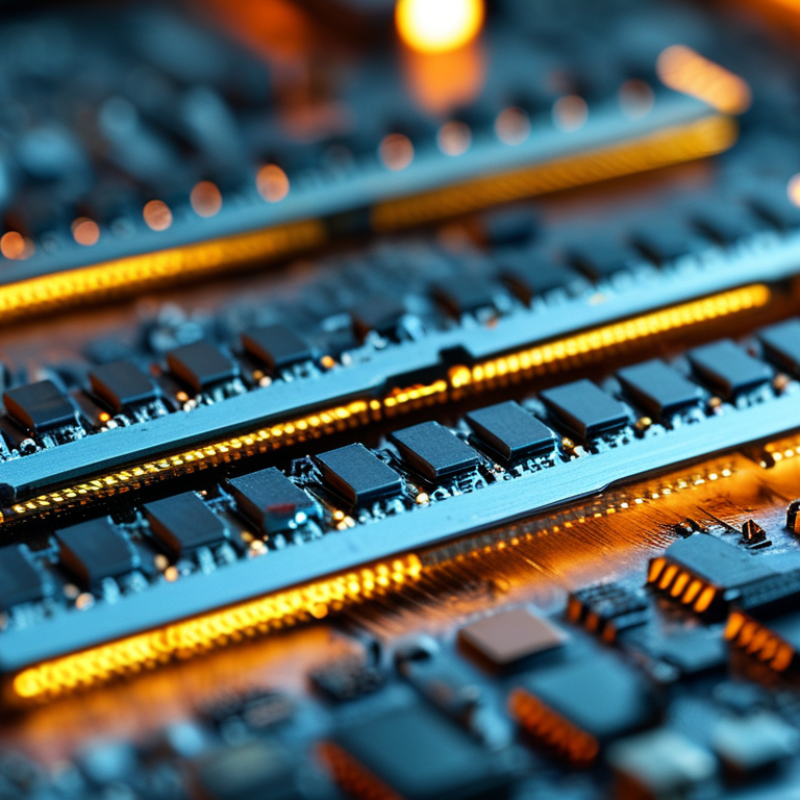
Overview of DRAM and SRAM Technologies
Understanding DRAM and SRAM technologies is crucial for anyone involved in computing or electronics.
DRAM, or Dynamic Random Access Memory, is widely used for its high density. It stores bits using capacitors, which need regular refreshing. This makes DRAM slower but excellent for passive data storage in devices like smartphones and computers.
In contrast, SRAM, or Static Random Access Memory, is faster and more reliable. It uses flip-flops to store data, which means it doesn’t require refreshing. This speed makes SRAM ideal for cache memory in CPUs. However, it comes at a higher cost and is less dense than DRAM.
When considering memory types, think about the application. DRAM is suitable where space and cost are key factors. Use SRAM for applications needing speed and reliability. The choice depends on specific requirements. Focus on how each type aligns with your project goals. Remember to evaluate the balance between performance and cost.
Key Characteristics of DRAM
Dynamic Random Access Memory (DRAM) plays a crucial role in modern computing. It is characterized by its ability to store bits of information using capacitors and transistors. The cells in DRAM need to be refreshed periodically, which can be a drawback. This refresh requirement adds complexity to the memory management process. However, DRAM is known for its high density, allowing it to store a vast amount of data in a limited space.
The speed of DRAM is generally slower than that of Static Random Access Memory (SRAM). This speed difference affects overall system performance, especially in tasks like gaming and heavy computations. Despite this, DRAM remains the go-to choice for main memory in computers and servers due to its cost-effectiveness. The energy consumption of DRAM is relatively low compared to SRAM, making it more efficient for larger memory capacities. Yet, the need for constant refreshing can lead to higher latency at times, inviting scrutiny regarding its reliability in critical applications.
Incorporating DRAM into computing architectures requires careful consideration of these characteristics. Selecting the right type of memory is essential for optimizing performance while also balancing factors such as cost and efficiency. Understanding the nuances of DRAM is critical for developers and engineers striving to enhance system performance.
DRAM vs SRAM: Key Characteristics Comparison
This chart illustrates the key differences between DRAM and SRAM based on several critical characteristics including access speed, density, cost per bit, and power consumption.
Key Characteristics of SRAM
Static Random Access Memory (SRAM) is a type of volatile memory. It's faster and more reliable than Dynamic Random Access Memory (DRAM). SRAM stores data using bistable latching circuitry. This allows it to maintain data integrity during system operations. The key characteristics of SRAM include speed, power efficiency, and complexity.
Compared to DRAM, SRAM does not need to be refreshed frequently. This makes it ideal for cache memory and high-speed applications. However, the manufacturing cost of SRAM is higher than that of DRAM. This is due to its complex architecture, which requires more transistors for storage cells. Users should consider this when selecting memory for specific applications.
When choosing memory, remember the application requirements. If speed is critical, SRAM is the better choice. For applications where cost is a priority, DRAM may suffice. Always evaluate the balance of performance and cost. Additionally, consider how often the memory will be accessed. This can significantly impact system performance and energy consumption.
Comparative Analysis of Performance and Speed
When comparing DRAM and SRAM, it's essential to look at their performance and speed. DRAM (Dynamic Random Access Memory) is known for its high density and cost-effectiveness. It's ideal for applications like personal computers. However, DRAM requires constant refreshing to maintain data integrity, which can slow down performance. According to industry reports, DRAM access times can vary from 50 to 70 nanoseconds. This limitation can impact the speed of complex systems requiring rapid data retrieval.
On the other hand, SRAM (Static Random Access Memory) excels in speed. It operates faster than DRAM and offers quicker access times, typically around 10 nanoseconds. This makes SRAM preferable for cache memory in processors where speed is crucial. Its design does not require refreshing, which contributes to its faster performance. However, SRAM is less dense, leading to higher costs per megabyte. Data indicates that these characteristics can create a 10x speed advantage in specific applications.
Both RAM types serve unique roles in computing. Evaluating their strengths and weaknesses is crucial. For instance, while DRAM may be suitable for mass storage, SRAM remains critical for performance-sensitive tasks. The choice between them ultimately comes down to specific application requirements and budget constraints.
Applications and Use Cases for DRAM and SRAM
When comparing DRAM and SRAM, their applications highlight key differences.
DRAM is widely used in computers for main memory. It supports multitasking and handles large data loads efficiently.
Its slower speed is offset by the larger storage capacity it offers. Mobile devices also favor DRAM because of its cost-effectiveness.
Yet, it requires regular refreshing, which can be a limitation in power-sensitive applications.
On the other hand, SRAM is faster and more reliable. This makes it suitable for cache memory in CPUs.
The reduced latency is crucial for high-performance computing tasks. However, the higher cost and lower density make it less suitable for main memory.
Additionally, SRAM is often utilized in embedded systems where speed is paramount.
Its usage in networking equipment is another critical area, enabling faster data processing and transmission.
Understanding these applications helps clarify when to use each type of memory. While DRAM is beneficial for general storage needs,
SRAM excels in scenarios requiring speed. Both types demonstrate the trade-offs between speed, cost, and capacity.
Choosing the right one depends on the specific requirements of the system in question.
FAQS
M and why is it commonly used?
DRAM uses capacitors to store bits. These capacitors need regular refreshing to maintain data integrity.
SRAM is faster and more reliable. It doesn’t need refreshing, which improves access times significantly.
DRAM access times can range from 50 to 70 nanoseconds. This can affect complex system performance.
SRAM is ideal for cache memory in CPUs, high-performance computing, and embedded systems due to its speed.
DRAM is suitable for bulk storage and multitasking as it offers larger capacity at a lower cost.
DRAM requires regular refreshing, which can drain power and affect efficiency in such applications.
SRAM is more expensive per megabyte, which limits its use to applications where speed is critical.
DRAM typically supports main memory needs, while SRAM is crucial for scenarios demanding rapid data access.
Evaluate the specific requirements of your project, including speed, capacity, and budget considerations.
Conclusion
In exploring the "DRAM vs SRAM difference," it's essential to understand the fundamental characteristics and applications of these two memory technologies. DRAM (Dynamic Random Access Memory) is characterized by its need for frequent refreshing due to its capacitor-based storage, making it slower but more cost-effective for higher storage capacities. In contrast, SRAM (Static Random Access Memory) uses flip-flops to store data, which allows for faster access times and greater reliability because it doesn't require refresh cycles, though it is more expensive and uses more power.
The comparative analysis of performance and speed highlights DRAM's suitability for tasks requiring large memory capacities, such as running applications and games, while SRAM is typically utilized in cache memory for CPUs due to its speed advantages. Each technology plays a critical role in various applications, dictating their use based on specific performance needs and cost considerations in the computing ecosystem.

 Cynovex