In the world of computing, understanding memory types is crucial. One such type is DRAM, or Dynamic Random Access Memory. But what is DRAM memory? Experts like Dr. Lisa Su, the CEO of AMD, emphasize its significance. “Memory is the backbone of performance,” she states, highlighting DRAM’s role in system efficiency.
DRAM is vital for computers and smartphones. It temporarily stores data that is actively being used, ensuring quick access and processing. This rapid performance is why it's essential for gaming and high-performance applications. However, not all DRAM is created equal. Variations exist, and knowing these differences can impact system performance.
Yet, despite its importance, many overlook how DRAM operates. Understanding how it refreshes data and its limitations opens the door to better choices. While DRAM serves as a powerful resource, users should also be aware of its challenges. This exploration aims to shed light on these key aspects, ensuring consumers make informed decisions in a tech-driven world.
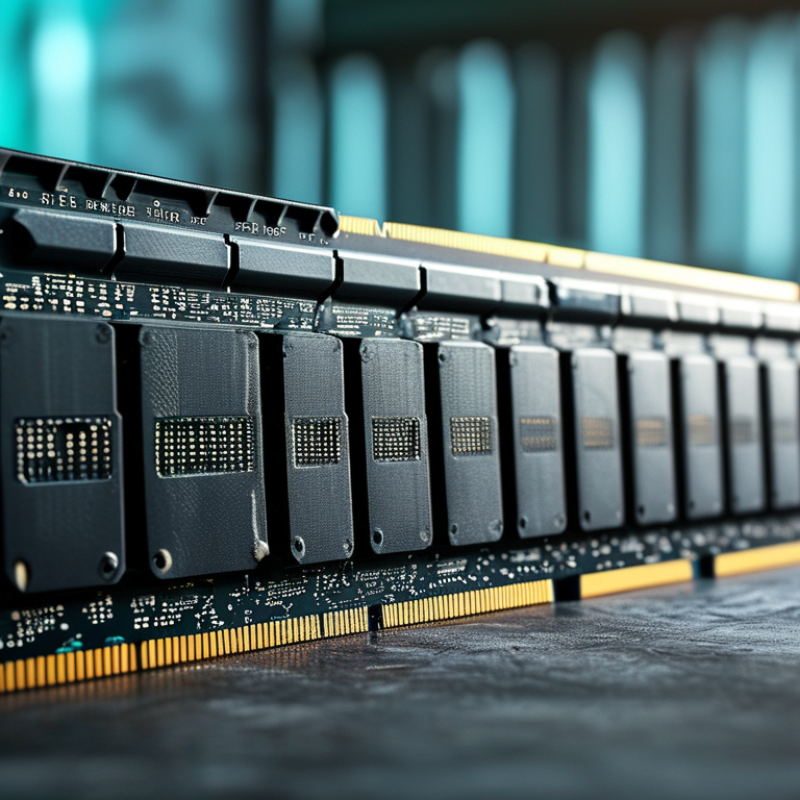
Dynamic Random Access Memory (DRAM) is a crucial component in modern computing. It stores data temporarily for quick access. Unlike hard drives, which store data permanently, DRAM relies on capacitors and transistors. This allows rapid read and write operations. As data gets processed, the information in DRAM is constantly changing. In this fast-paced digital world, speed is essential.
Understanding how DRAM works can demystify its importance. Each memory cell in DRAM needs to be refreshed frequently. Otherwise, it loses the stored data. This refresh cycle happens thousands of times per second. It highlights the complexity of memory management. While DRAM is fast, it may not always be sufficient for heavy tasks. Users seeking optimal performance often find themselves needing additional memory types.
In a way, relying solely on DRAM can be limiting. As software and applications become more demanding, the need for faster and larger memory is growing. Understanding these limitations can lead to better decisions for system upgrades. Balancing DRAM with other memory solutions is vital for overall performance.
DRAM (Dynamic Random Access Memory) comes in various types, each tailored for specific applications. The most common is DDR (Double Data Rate) SDRAM, widely used in personal computers. It has evolved through DDR2, DDR3, and now DDR4. Each iteration has enhanced speed and reduced power consumption. For example, DDR4 offers a data transfer rate of up to 25.6 GB/s, which is remarkable for current computing needs, according to industry reports.
Another notable type is LPDDR (Low Power DDR), which is critical in mobile devices. LPDDR5 is used in smartphones and tablets for its energy efficiency. It ensures longer battery life while maintaining high performance levels. As per market analyses, LPDDR memory adoption is expected to grow significantly, driven by the rising demand for mobile computing.
Additionally, GDDR (Graphics DDR) is designed for graphics cards. GDDR5 and GDDR6 are pivotal in gaming and professional graphics applications. They provide high bandwidth necessary for rendering complex images. However, with advancements come challenges, like heat management and cost. These aspects warrant ongoing research and development in the DRAM space, reflecting the dynamic nature of the industry. Memory solutions must keep pace with evolving technology needs in various sectors.
DRAM memory plays a crucial role in computing systems. Performance and speed depend on several factors. One key factor is memory latency. A report from TrendFocus indicated that the average latency of DRAM is around 10 nanoseconds in modern systems. Lower latency can lead to faster data access times.
Another influential aspect is the DRAM type, which includes DDR (Double Data Rate) generations. According to industry analysis by IC Insights, DDR4 memory has seen widespread adoption due to its speed of up to 3200 MT/s, while DDR5 is poised to double that speed, reaching 6400 MT/s. This transition impacts overall system performance significantly.
Additionally, memory capacity influences speed. A system with 16GB of DRAM can handle more tasks simultaneously than one with 8GB. Insufficient memory can lead to bottlenecks as the system struggles to manage multiple applications. The complexity of managing data flows and memory hierarchies adds another layer of challenge. Thus, choosing the right DRAM configuration is essential for optimizing system performance. The wrong choice may limit potential and cause unexpected slowdowns.
The future of DRAM technology is set to be transformative. As data demands escalate, innovations in speed and efficiency are crucial. Emerging trends focus on reducing power consumption while enhancing performance. Advanced architectures, like 3D stacking, allow for greater density and efficiency. This approach can fit more memory into less space. Such progress reveals a potential to meet the staggering needs of AI and cloud computing.
Another exciting trend involves the integration of machine learning in DRAM design. This innovation can optimize memory management and predict data usage patterns. However, the industry faces challenges. Balancing speed, cost, and energy efficiency remains complex. Moreover, sustainable practices must be a priority in manufacturing processes. As the landscape evolves, manufacturers must adapt to these new demands. Continuous innovation is necessary, but it may lead to over-reliance on technology. The quest for advancement requires a careful balance of quality and practicality.
Understanding common issues in DRAM usage is crucial for optimizing performance. One frequent problem is memory leaks. This occurs when applications consume memory but fail to release it. Over time, this can lead to a system slowdown. To address leaks, monitor memory usage through profiling tools. Developers can use these insights to identify and rectify leaks effectively.
Another common challenge is timing errors. Timing issues can cause instability in data transfer. Users may experience crashes or data corruption. Correcting this necessitates careful adjustment of memory timing settings. Ensure compatibility between the memory and the motherboard to prevent these issues. Keeping the firmware updated can also help in mitigating such problems.
Lastly, overheating can degrade DRAM's performance. High temperatures can lead to shorter lifespan and erratic behavior. Users should consider improving ventilation in their systems. Investing in better cooling solutions can lead to more reliable DRAM performance. Remember, proper maintenance is key. Small tweaks can go a long way in enhancing overall system efficiency.
M?
DDR SDRAM, or Double Data Rate SDRAM, is widely used in personal computers. It has various generations, from DDR to DDR4.
DDR4 offers enhanced speed and efficiency. It can reach data transfer rates of up to 25.6 GB/s.
LPDDR stands for Low Power DDR. It's essential for mobile devices, ensuring energy efficiency in smartphones and tablets.
LPDDR5 increases battery life while maintaining high performance. Its adoption in mobile computing is growing rapidly.
GDDR, or Graphics DDR, is designed for graphics cards. It's crucial for gaming and requires high bandwidth.
GDDR faces issues like heat management and cost. These challenge its widespread adoption in high-performance contexts.
Emerging trends focus on improving speed, reducing power consumption, and using 3D stacking for efficiency and density.
Machine learning helps optimize memory management. However, relying too much on it could be risky for manufacturers.
Balancing performance, cost, and energy efficiency is complex. Sustainable practices are also increasingly necessary in production.
DRAM memory, or Dynamic Random Access Memory, is a crucial component in modern computing systems, serving as temporary storage for data that is actively in use. Understanding DRAM involves recognizing its functionality, which allows for rapid data access and supports various computing devices. There are several types of DRAM, each tailored for specific applications, such as DDR (Double Data Rate) for high speed and SDRAM (Synchronous DRAM) for efficient performance in particular contexts.
Factors affecting DRAM performance include speed, capacity, and latency, all of which influence how effectively a system can operate. As technology evolves, future trends in DRAM innovation focus on enhancing efficiency and reducing power consumption, meeting the growing demands of advanced computing solutions. However, users may encounter common issues such as data retention problems and overheating, which can be mitigated with proper usage strategies. Understanding these elements is essential for optimizing DRAM memory in today's digital landscape.

Cynovex