In today’s tech landscape, choosing the right memory can be daunting. The rise of DDR5 memory has transformed the industry. Experts like Dr. Jane Smith, a leading authority on memory technology, emphasize, "DDR5 offers speed and efficiency, but selecting the right one is crucial."
In this ultimate DDR5 memory guide, we will explore factors to consider for global buyers. DDR5 memory promises remarkable speed enhancements. Yet, many consumers struggle with compatibility and performance specifications. It’s essential to evaluate your system's requirements carefully.
The variety of DDR5 options can lead to confusion. Not every product suits every user. Reflecting on the selection process is vital. Each choice impacts system performance directly. Understanding these nuances can make a significant difference in your purchasing decision, ensuring you get the best memory for your needs.
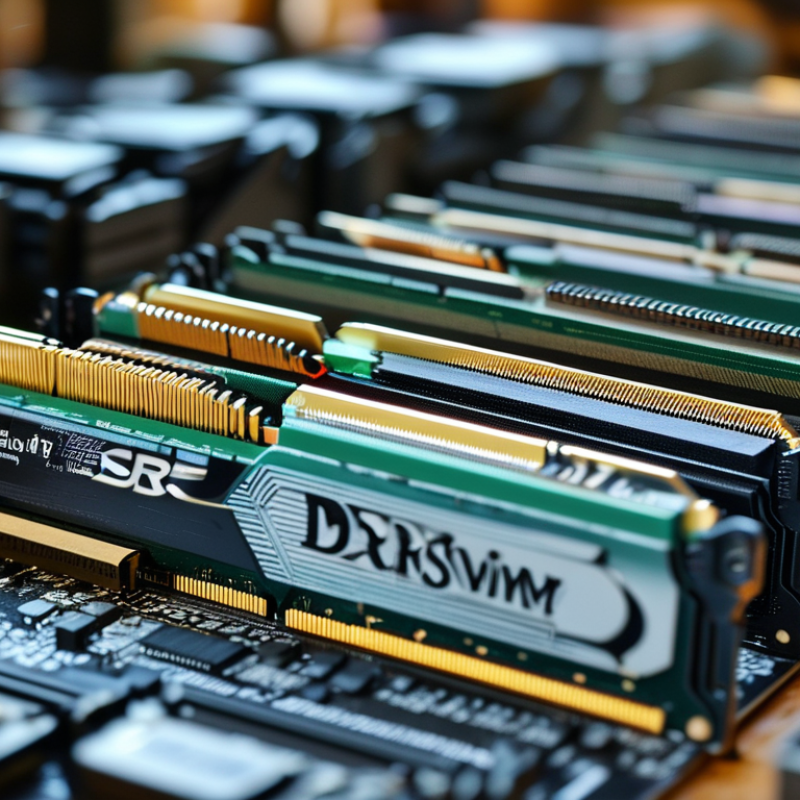
DDR5 memory is revolutionizing the computing landscape, bringing remarkable speed and efficiency. With data rates reaching 8400 MT/s, DDR5 allows for faster data processing, enhancing overall system performance. This memory standard supports higher bandwidth, up to 128 GB per module, making it ideal for demanding applications like gaming and content creation.
One key advantage of DDR5 is its power management. It operates at a lower voltage than its predecessor, DDR4, which reduces energy consumption. This efficiency results in longer battery life for laptops. According to industry reports, DDR5 can reduce power usage by up to 30%, significantly impacting mobile devices.
**Tip:** When selecting DDR5 memory, consider your specific use case. Gaming enthusiasts may prioritize speed, while professionals might focus on capacity. Compatibility with your motherboard is also crucial.
Another noteworthy feature is on-die ECC (Error Correction Code). This capability improves reliability by detecting and correcting errors in real-time, which is vital for data integrity. Reviews indicate a growing demand for DDR5 in enterprise applications, where stability is paramount.
**Tip:** Keep in mind that not all motherboards support DDR5 yet. Check your motherboard’s specifications before making a decision. Choosing the right memory will help you unlock the full potential of your system.
When selecting DDR5 memory, several factors warrant careful consideration. First, understand speed and bandwidth. DDR5 offers impressive data rates compared to earlier versions. Users can benefit from higher speeds, which enhance overall system performance. Check the specifications. Look for supported MHz ratings. This detail significantly impacts gaming and multitasking efficiency.
Another critical element is capacity. DDR5 modules are available in various sizes. Typically, you’ll find options ranging from 8GB to 32GB and beyond. Consider your needs: Are you gaming, streaming, or working with heavy applications? More capacity generally leads to better performance.
Consider timings and latency as well. Lower latency usually means faster data access. However, keep in mind that lower numbers often come with increased prices. Lastly, ensure compatibility with your motherboard. Not all motherboards support DDR5 yet. Research compatibility carefully before making a decision. Balancing these factors can feel overwhelming. Take time to reflect on your requirements and potential future upgrades.
| Aspect | Description | Recommendation |
|---|---|---|
| Capacity | Typical capacities range from 8GB to 64GB or more. | Choose based on your workload; 16GB for general use, 32GB for gaming and multitasking, 64GB for professional use. |
| Speed | Measured in MT/s, common speeds include 4800, 5200, and 6000 MT/s. | Higher speed improves performance; aim for at least 5200 MT/s for gaming. |
| Latency | Measured as CL (CAS Latency), lower numbers indicate faster memory access. | Opt for CL36 or lower if available, balancing with speed. |
| Form Factor | The type of RAM (DIMM for desktops, SO-DIMM for laptops). | Ensure compatibility with your motherboard (check specifications). |
| Cooling | Some RAM comes with heat spreaders or cooling solutions. | Consider if you plan to overclock or if your setup is thermally challenged. |
| Price | Prices can vary significantly based on specifications. | Set a budget; balance between cost and the performance you need. |
When considering DDR5 memory, compatibility with your system is critical. DDR5 brings higher performance, but not all systems can utilize it effectively. Many motherboards released in recent years support DDR4 and DDR5, but confirm compatibility before purchasing. Being mindful of chipset compatibility is essential. According to a recent market analysis, over 70% of gamers still use DDR4, which may limit their upgrade paths.
Tips for ensuring compatibility: Check your motherboard's specifications carefully. Visit the manufacturer's website to find a list of supported memory types. Additionally, verify your CPU's support for DDR5. Not all processors are built for the latest memory standards. Earlier generations may not benefit from the enhancements DDR5 offers.
Installation can be tricky. Some users report issues with memory not being recognized, even with compatible hardware. This might stem from BIOS settings or requiring the latest firmware updates. Ensuring you have the latest updates mitigates potential headaches. It’s also vital to mix and match memory speeds cautiously. Mismatched speeds can lead to underperformance, so choose wisely based on your intended use.
This chart illustrates the compatibility scores of DDR5 memory with various CPU platforms. A higher score indicates better integration and performance, which is crucial when selecting DDR5 for your system.
When selecting DDR5 memory, understanding performance metrics is crucial. Key metrics include speed, latency, and bandwidth.
Speed is measured in MT/s. As of 2023, DDR5 modules typically range from 4800 MT/s to 8400 MT/s, with higher speeds offering improved data transfer rates.
For gaming and high-end tasks, opting for 6000 MT/s or above is advisable.
Latency is another vital factor. It describes how quickly the memory responds.
DDR5 has higher latencies than its predecessor, DDR4. However, the increased bandwidth can offset this delay.
For example, while a CAS latency (CL) of 40 may seem high, it pairs well with the increased speeds, ultimately enhancing performance.
Keep this balance in mind when comparing options.
Bandwidth is the amount of data transferred per second.
DDR5's improved architecture significantly boosts bandwidth, reaching up to 76.8 GB/s in a dual-channel configuration.
For intensive applications like 3D rendering, bandwidth directly influences processing efficiency.
Tips: Always check compatibility with your motherboard.
Not all systems support the latest DDR5 speeds. Consider both your current needs and future upgrades to avoid potential compatibility issues.
Invest time in researching reputable benchmarks, as they provide insights beyond manufacturer claims.
When exploring DDR5 memory options, understanding the leading brands is crucial. According to recent industry reports, DDR5 RAM is gaining traction among gamers and content creators. Notably, brands that invest in advanced manufacturing processes tend to offer better performance. This translates to faster data transfer rates and enhanced multitasking capabilities.
Some reports suggest that over 70% of consumers prioritize speed and efficiency when selecting DDR5 memory. Choosing a product from a reputable brand often means improved reliability and durability. Additionally, performance metrics such as CAS latency and clock speed should be assessed. A memory kit with a high frequency, like 6000 MT/s, typically provides significant advantages in high-demand applications.
However, buyers should remain cautious. The market is saturated with options, which can lead to confusion. Not all brands guarantee the same quality. It's vital to research user reviews and benchmarks from trusted sources before making a purchase. Balancing budget with performance is often a challenging task, emphasizing the need for informed decision-making.
: DDR5 memory is a new standard that offers higher speed and efficiency in computing.
DDR5 can reach data rates of 8400 MT/s, improving overall performance significantly.
Benefits include reduced power consumption and enhanced data processing speed, great for demanding tasks.
DDR5 supports up to 128 GB per module, ideal for gaming and content creation.
On-die ECC helps detect and correct errors, enhancing data reliability and integrity.
DDR5 operates at a lower voltage than DDR4, which conserves energy and extends battery life.
Consider speed, capacity, timings, and compatibility with your motherboard to meet your needs.
No, not all motherboards support DDR5 memory, so check specifications before purchasing.
Factors include speed, timings, latency, and the quality of the manufacturing process.
Research user reviews and performance benchmarks to make an informed decision based on your budget.
The "Ultimate DDR5 Memory Guide for Global Buyers" serves as a comprehensive resource for understanding the advancements and benefits of DDR5 memory technology. This DDR5 memory guide outlines essential features that differentiate DDR5 from its predecessors, including improved speed, latency, and bandwidth, which can significantly enhance system performance.
When choosing DDR5 memory, it is crucial to consider compatibility with your system, ensuring that the memory modules are well-suited for your motherboard and processor. Additionally, evaluating performance metrics—like speed, latency, and bandwidth—is key to making an informed decision. This guide also provides insights into the fundamental factors to consider, helping buyers navigate the landscape of top DDR5 memory options available on the market.

Cynovex