Custom OEM UVC LED Factories & Supplier

Enterprise-Grade Optoelectronic Solutions & Advanced Thermal Management Engineering

Our Featured Optical & Thermal Hardware Portfolio

Global Industrial Revolution of UVC LED Systems

Understanding the transition from low-pressure mercury vapor lamps to high-efficiency, solid-state germicidal ultraviolet technology.

The Demise of Mercury Disinfection

For decades, municipal water plants, clinical settings, and industrial air handling systems relied exclusively on low-pressure mercury vapor lamps for UV-C germicidal irradiation (UVGI). However, the implementation of the global Minamata Convention on Mercury has catalyzed a major industrial shift. Mercury lamps pose severe toxicological risks, require high operational voltages, have relatively short lifetimes (typically 8,000 to 10,000 hours), and are physically fragile. This has created a critical market imperative for solid-state alternatives.

UVC LEDs (ranging from 260nm to 280nm, with the peak germicidal effectiveness centered around 265nm) represent the future of sterilization. Unlike mercury lamps, UVC LEDs offer instantaneous start-up without warm-up periods, are ozone-free, operate on low-voltage direct current (DC), and can be cycled millions of times without degradation. This transition, however, presents substantial engineering hurdles, particularly regarding External Quantum Efficiency (EQE) and high-power thermal management.

"The integration of UVC LEDs into modern disinfection protocols requires deep semiconductor expertise, combining precision optical simulations with advanced substrate thermal dissipation pathways to avoid thermal-induced wavelength shifts."
Macro Technological Trends:
  • Adoption of high-power single-die UVC chips (>100mW optical output)
  • Migration to Direct Copper Bonding (DCB) and high thermal conductivity AlN ceramic substrates
  • Widespread integration of smart optical feedback and real-time degradation monitoring sensors
  • Co-development of custom optical lenses for focused-angle sanitization arrays
18,600m²
Modern Facility
94
R&D Engineers
56
Quality Inspectors
$28M+
Annual Export

Cross-Domain Semiconductor Engineering Synergies

How Cynovex Semiconductor leverages high-speed memory module packaging and thermal physics to engineer ultra-reliable UVC LED systems.
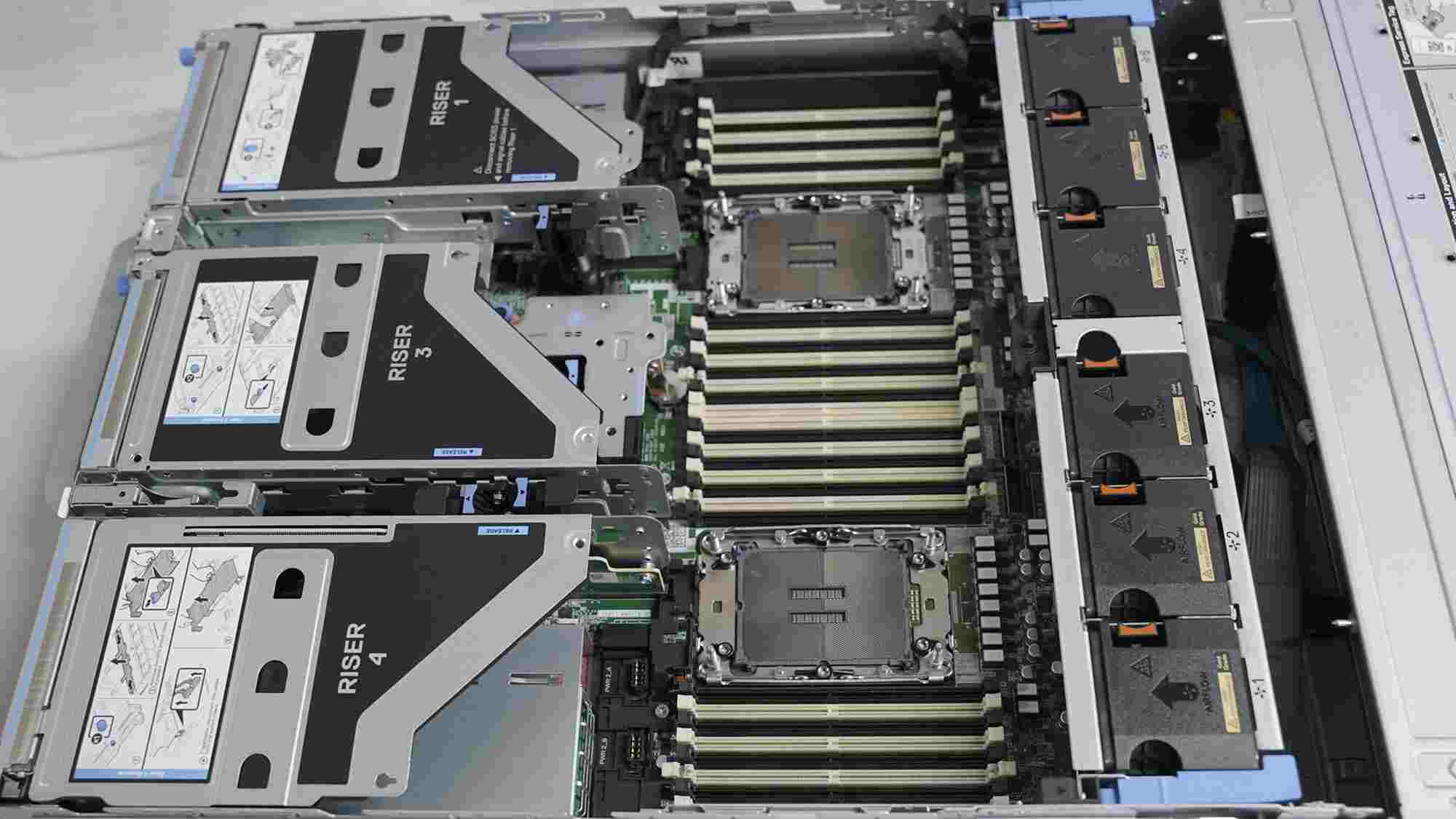
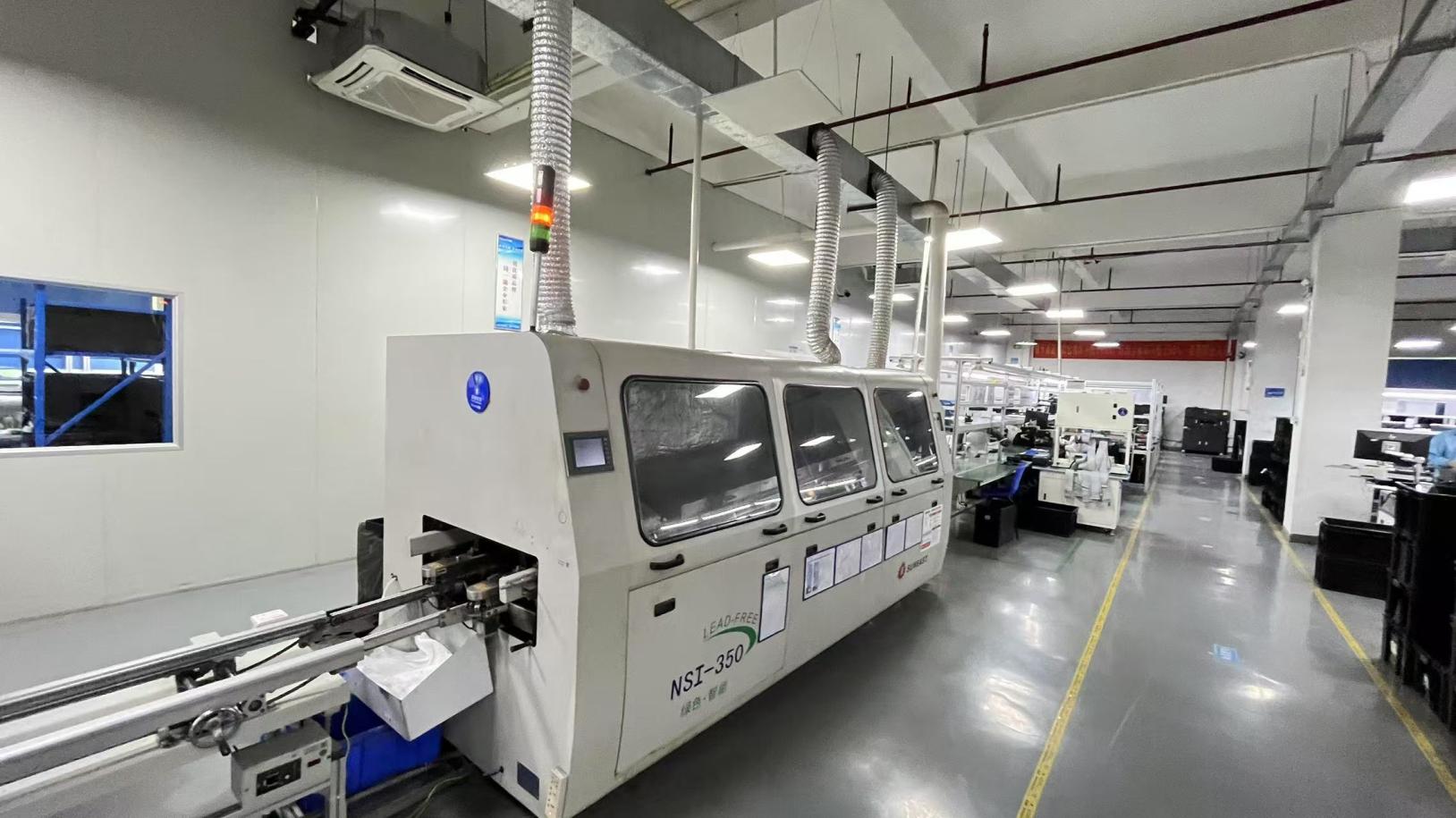
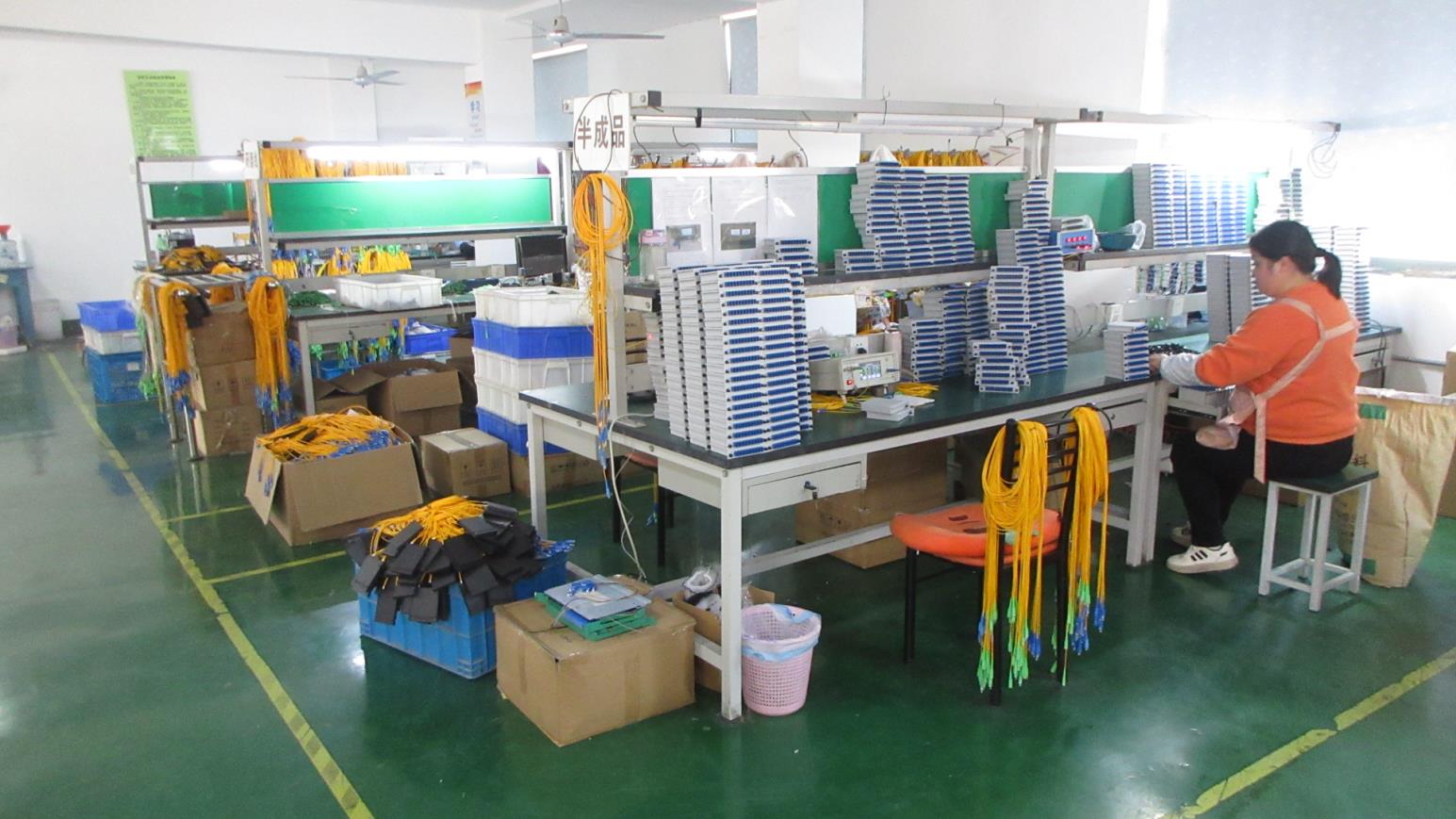
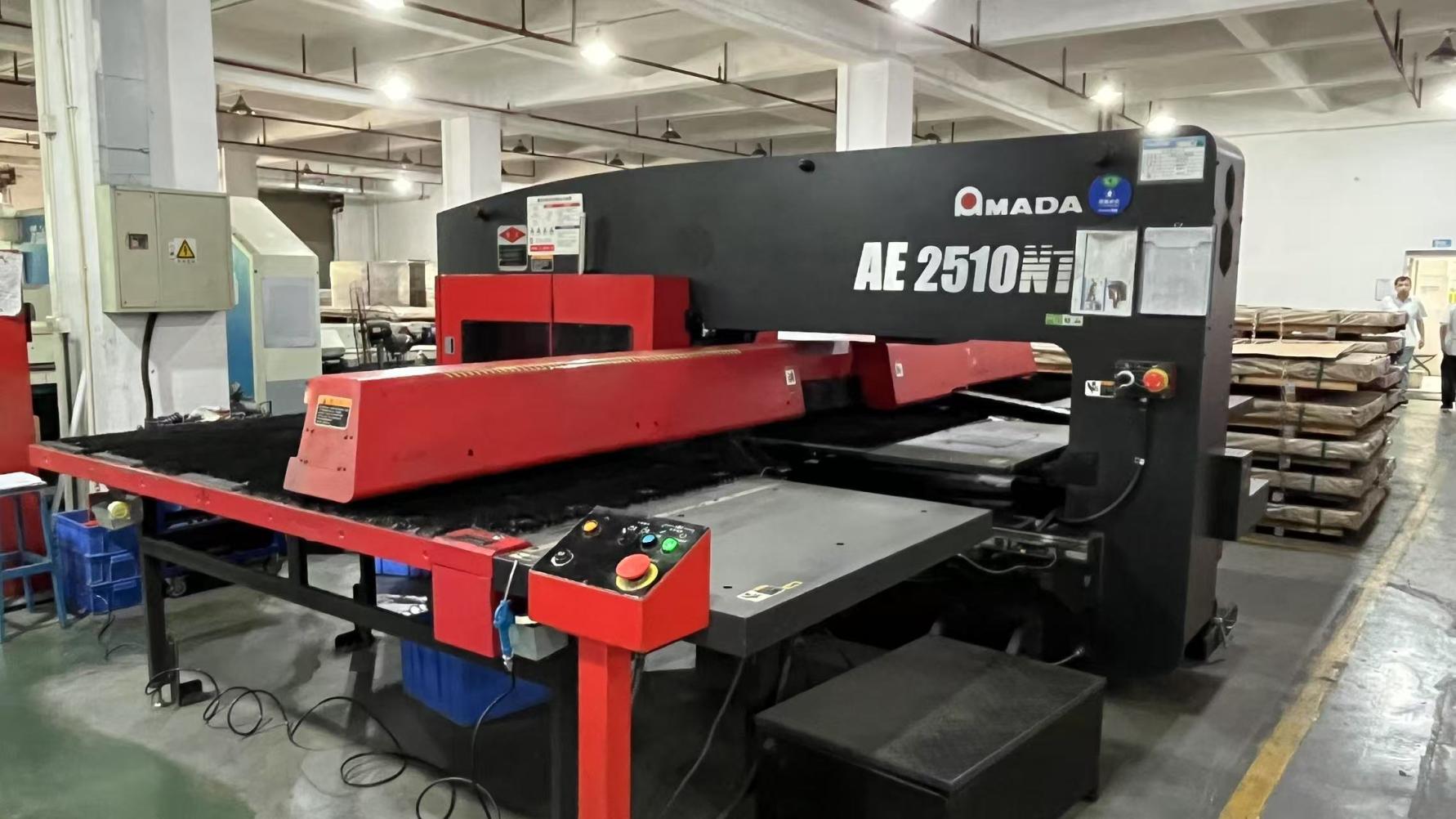
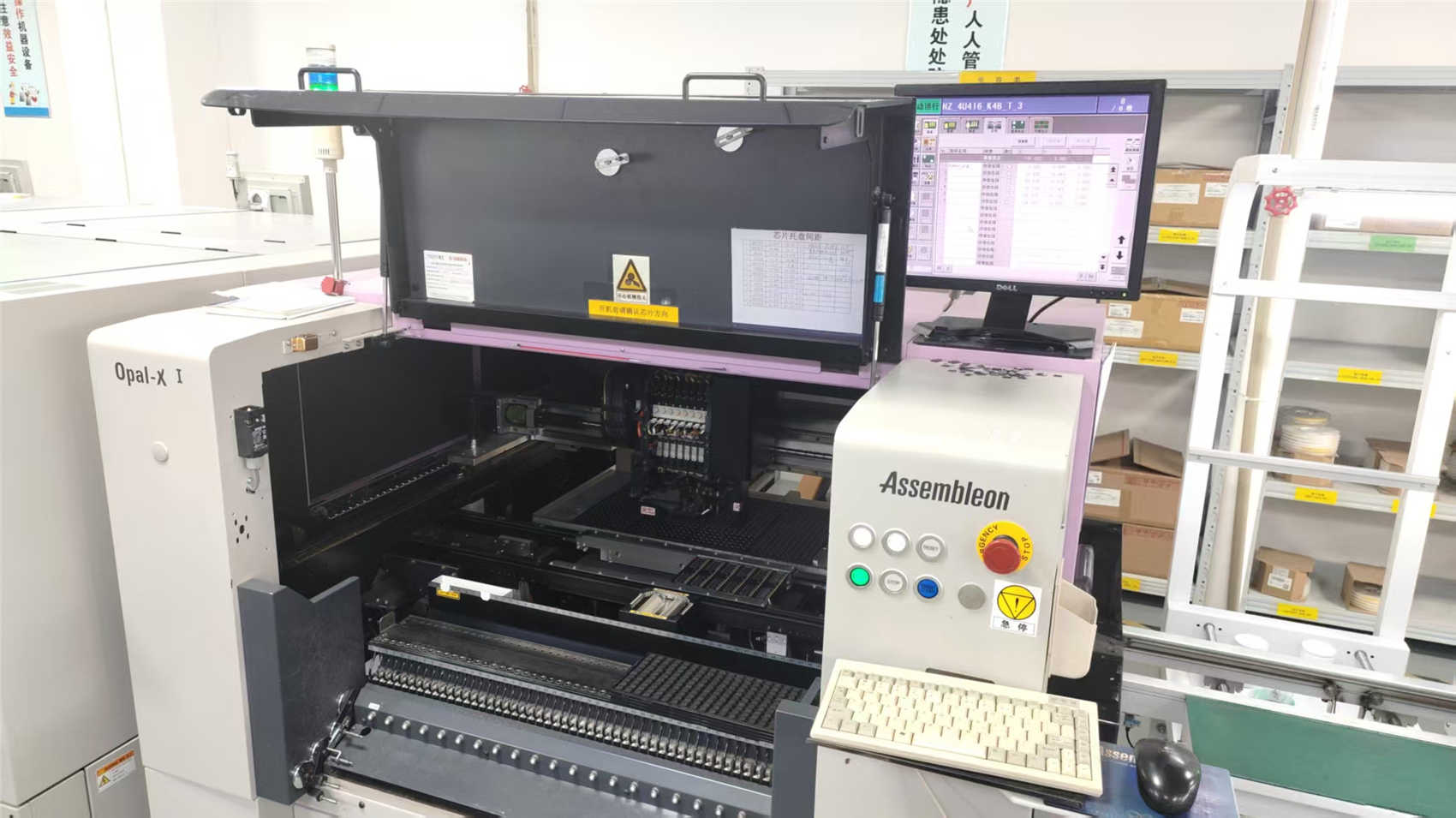
Production Facility SMT Production Quality Control Lab Semiconductor Packaging Advanced Testing Equipment

The Intersection of High-Frequency DDR Memory & High-Power UVC Optoelectronics

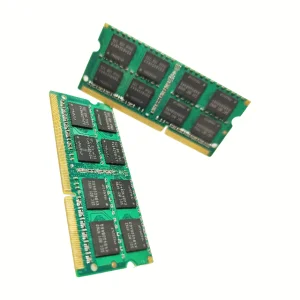
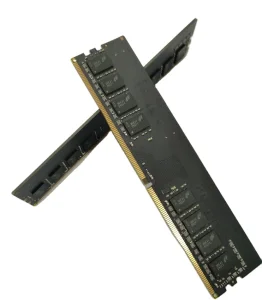
Founded in 2016, Cynovex Semiconductor Co., Ltd. has established itself as an industry leader in manufacturing high-performance, enterprise-grade memory modules, server hardware, and thermal dissipation systems. This deep semiconductor background directly informs our custom OEM UVC LED manufacturing. UVC LEDs operate under extreme thermal densities; because only 2% to 5% of electrical energy is converted into light, the remaining 95%+ is lost as heat. If this heat isn't effectively dissipated, junction temperatures rise, resulting in rapid optical power degradation and shortened lifespans.

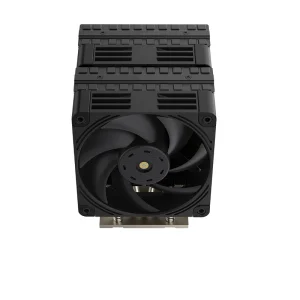
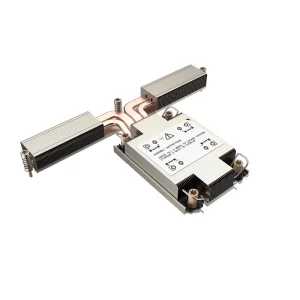
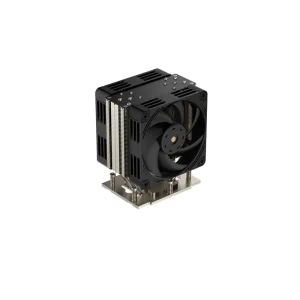
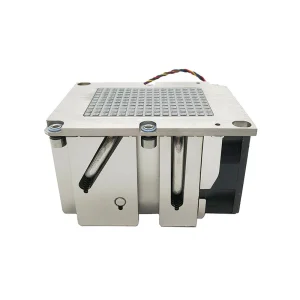
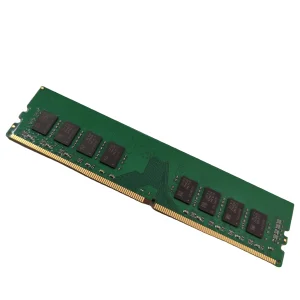
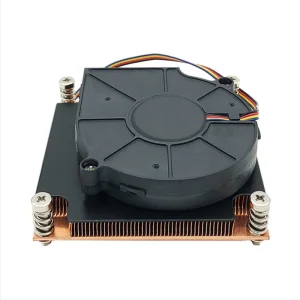
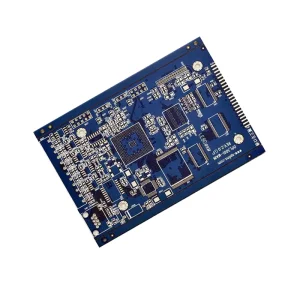
Cynovex addresses this by utilizing our state-of-the-art 18,600 m² facility to manufacture advanced metal-core substrates, such as our Aluminum PCB T6 5050 3535 lamp bead substrate. By using automated SMT, high-precision chip placement, and advanced copper-filled micro-via technologies, we design customized thermal packages that outperform standard FR4 circuits by orders of magnitude. Our expertise in server heatsinks (such as our Passive Extruded Aluminum Radiators and SP3 CPU Coolers) allows us to design high-power air-cooled and liquid-cooled UVC modules that maintain optimal junction temperatures under continuous operation.

Tailored OEM/ODM Capability Framework

We provide end-to-end design, prototyping, electrical customization, and volume production for global enterprise clients.
Substrate Customization
Design of custom-sized MCPCBs, utilizing T6 aluminum or ceramic (AlN) substrates to match specific mechanical footprints and demanding thermal performance requirements.
Spectral Optimization
Precise wavelength tuning across the UVC range (260nm to 280nm) and target irradiance mapping to maximize biological disruption of specific pathogens (e.g., Log 4 reduction).
Driver & PCBA Design
Developing advanced SMT driver circuits with integrated constant-current regulators, thermal foldback protection, and communication protocols (Modbus, PWM, I2C).

Compliance, Validation & Global Distribution

Navigating stringent environmental standards and regional bio-security requirements to provide global market access.

Strict Quality Control & 100% Validation

We work with more than 1,150 supply chain partners, enabling stable material sourcing and efficient production. Every single batch of customized UVC LED products undergoes rigorous multi-step testing, including:

  • 100% Functional Verification: Validating electrical characteristics (forward voltage, current limits) to prevent system failure.
  • Burn-in and Thermal Cycling Tests: Exposing modules to operating temperatures for extended durations to identify early failure rates.
  • Spectral Irradiance Profiling: Measuring wavelength distribution and radiant flux using calibrated integrating spheres.
  • Aging Tests: Simulating real-world long-term usage scenarios to measure optical degradation curves.

Supported by a dedicated team of 56 quality inspectors, Cynovex products meet all key international quality and electrical safety compliance standards, including CE, RoHS, FCC, UL, and EPA establishment registrations. Our engineering team provides detailed radiometric test reports, guaranteeing the performance of every UVC LED device we ship.

Localized Scenarios and Smart System Integration

Cynovex supports diverse localized scenarios, offering tailored mechanical and optical options for specific regions and industries. For instance, in North America and Western Europe, municipal water treatment facilities require large arrays of UVC LEDs configured on custom aluminum panels. By optimizing these panels, we maximize flow-through disinfection while lowering pressure drops.

In Southeast Asia and South America, our industrial automation partners utilize custom UVC LEDs for automated conveyor sanitization in food processing plants. These environments require rugged IP68-rated enclosures, high-performance thermal heat sinks, and chemically resistant quartz glass covers to withstand high-pressure washdowns. Cynovex's internal R&D team (led by 94 engineers) develops customized optical components and driver assemblies to meet these demanding environments.

The Next Generation of UVC Technology

Exploring our development roadmap, including Far-UVC 222nm systems and high-power density packaging.
High-density Flip-chip Bonding

By bypassing gold-wire bonds and utilizing direct flip-chip mounting on AlN substrates, we reduce thermal resistance and increase light extraction efficiency by 20%.

Far-UVC 222nm Development

Researching and engineering human-safe excimer-like solid-state devices that target pathogens without penetrating human skin or corneal layers.

Smart IoT Optical Sensing

Integrating real-time photodiode feedback sensors directly onto the MCPCB, letting system controllers monitor UVC output and dynamically adjust input currents.

Industrial UVC LED Engineering - FAQ

Detailed answers to the most common engineering, integration, and procurement questions from OEM system integrators.
Why is peak wavelength so critical, and what is the difference between 265nm and 280nm UVC LEDs?
The peak absorption curve of DNA and RNA molecules in pathogens is approximately 265nm. This is where UV-C radiation most effectively disrupts the nucleotide base pairs, preventing cell replication. While 265nm offers the highest disinfection efficiency, UVC LEDs emitting at 275nm to 280nm often show higher external quantum efficiency (EQE) and longer lifespans due to lower aluminum content in the AlGaN semiconductor layer. Cynovex works closely with system designers to optimize this balance, providing custom LED arrays tailored to each application's specific optical and lifespan requirements.
How does thermal design affect UVC LED lifespan and optical output?
UVC LEDs generate substantial heat at the semiconductor junction. If this heat isn't dissipated, the junction temperature rises, causing a drop in optical output power (radiant flux) and reducing the device's lifespan. To address this, we construct our boards using high thermal conductivity materials, such as our T6 aluminum substrates and ceramic carriers. We also integrate custom-engineered heatsinks to maintain junction temperatures well below the critical threshold (typically < 65°C), ensuring long-term reliability and stable optical performance.
What customization services does Cynovex offer for OEM clients?
Our comprehensive OEM & ODM services include: private labeling, custom logo printing, custom packaging, firmware optimization, optical lens selection (e.g., 30°, 60°, or 120° beam angles), and customized power supply/driver PCBAs. With an R&D team of 94 engineers, we can also customize electrical input parameters, physical dimensions, and communication protocols to fit your existing hardware systems.
What QA procedures prevent field failures of UVC arrays?
Cynovex implements a multi-step quality control system. Our 56 quality inspectors oversee a rigorous process that includes: 100% functional testing of all electrical pathways, thermal imaging validation under load, spectral analysis using integrating spheres, and long-term burn-in testing. We also perform compatibility and signal integrity tests on our custom smart controller boards to ensure reliable operation in complex industrial environments.
How do Cynovex UVC LEDs comply with international environmental and biological standards?
Cynovex products are fully compliant with RoHS and CE standards, and our manufacturing facilities operate under strict ISO 9001 quality management guidelines. Since UVC LEDs are mercury-free, they comply with the Minamata Convention. We also assist our global customers with regional compliance needs, providing detailed documentation for regulatory approvals like EPA establishment registration and UL safety certifications.
All Associated Components & Advanced Semiconductor Products