Top 10 Printed Circuit Board Assembly Suppliers & Exporters

Evaluating Global PCBA Manufacturing Capabilities, High-Speed DDR5 Signal Optimization, Advanced SMT Operations, and Thermal Radiator Systems for Industrial and Enterprise Infrastructure.

Global Commercial & Industrial Landscape of PCBA

An expert assessment of macroeconomic trends, geographical supply-chain transformations, and industrial criteria driving high-reliability electronic assemblies.

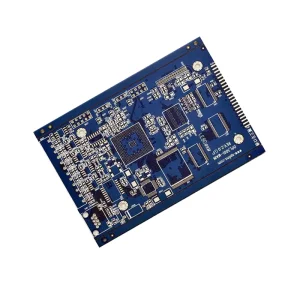
The global market for Printed Circuit Board Assembly (PCBA) is entering a transformative era driven by the acceleration of artificial intelligence (AI), edge computing, vehicle electrification, and the demands of high-performance computing (HPC) infrastructures. Modern PCB assemblies are no longer just structural foundations holding discrete components. Today, they function as complex high-density, multi-layer micro-architectures characterized by strict signal integrity parameters, advanced thermal dynamics, and challenging mechanical tolerances.
Geographically, the PCBA industry has transitioned from high-volume low-mix assembly to localized high-mix low-volume configurations in North America and Europe, while Asia remains the global hub for high-volume manufacturing. Suppliers in China have aggressively climbed the value chain. Instead of merely manufacturing low-cost consumer substrates, leading exporters now deploy advanced surface-mount technology (SMT) arrays capable of placing 01005 (0402 metric) passive devices and micro-ball grid arrays (BGAs) with pitches below 0.3mm.
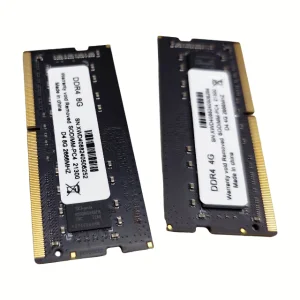
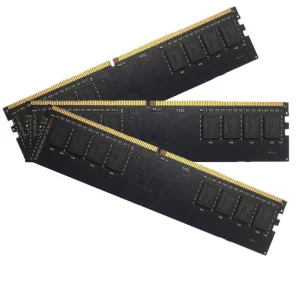
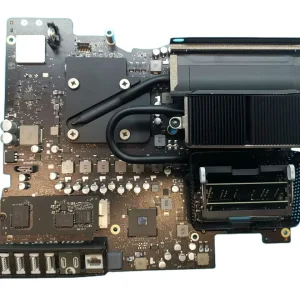
This industrial maturity is accelerated by the rise of complex semiconductor architectures. For instance, high-speed RAM layouts utilizing DDR4 and DDR5 technologies demand trace length matching, precision impedance controls, and comprehensive electromagnetic interference (EMI) shields. At the same time, computing architectures like Intel's LGA4677 and AMD's SP5 sockets require boards with 12 to 24 layers, low-loss dielectric materials (such as Panasonic Megtron 6 or Nelco substrates), and structural thermal mitigation features. The macro-economic landscape demands that modern exporters act not just as contract assembly plants, but as deep technical co-design and quality engineering partners.

PCBA Industry Development Trends & Core Drivers

1. Sub-1.0mm Micro-BGA & Fine Pitch Assembly

As IC package complexities intensify, density is paramount. Assembly lines must execute high-precision placement with optical recognition systems to align fine-pitch micro-BGAs and chip-scale packages (CSPs) down to 0.2mm pitch. Hand assembly is obsolete; next-generation reflow ovens must maintain strict 10-zone thermal profiles to prevent warping, head-in-pillow defects, or voiding within solder joints.

2. High-Performance Signal Integrity (DDR5 & PCIe Gen5)

As speeds surpass DDR4 parameters, signal loss becomes a limiting factor. PCB design and assembly must control impedance variance to less than +/- 5%. Exporters utilize advanced structural routing techniques, back-drilling to remove residual stubs in vias, and specialized low-Dk/Df laminate materials to optimize transmission and reduce cross-talk.

3. Advanced Thermal & Mechanical Co-Design

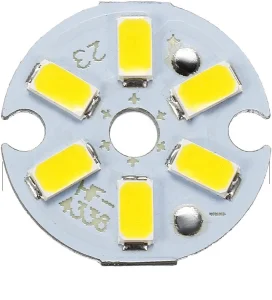
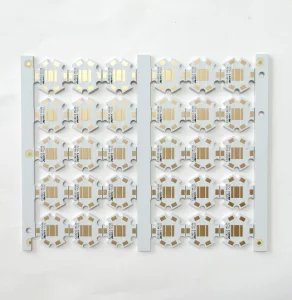
High TDP processors (like LGA4677 CPUs at 350W+) generate excessive thermal energy. Modern PCB assemblies integrate heavy copper layers (up to 4oz or more), metal-backed substrates (Aluminum/Copper PCBs for LED & power electronics), and custom copper-inlay technologies to direct heat away from semiconductor junctions to high-performance active/passive cooling modules.

Cynovex Semiconductor: Verified E-E-A-T Capabilities

Established track record of manufacturing reliability, validation engineering, and certified high-speed DDR5 production paradigms.
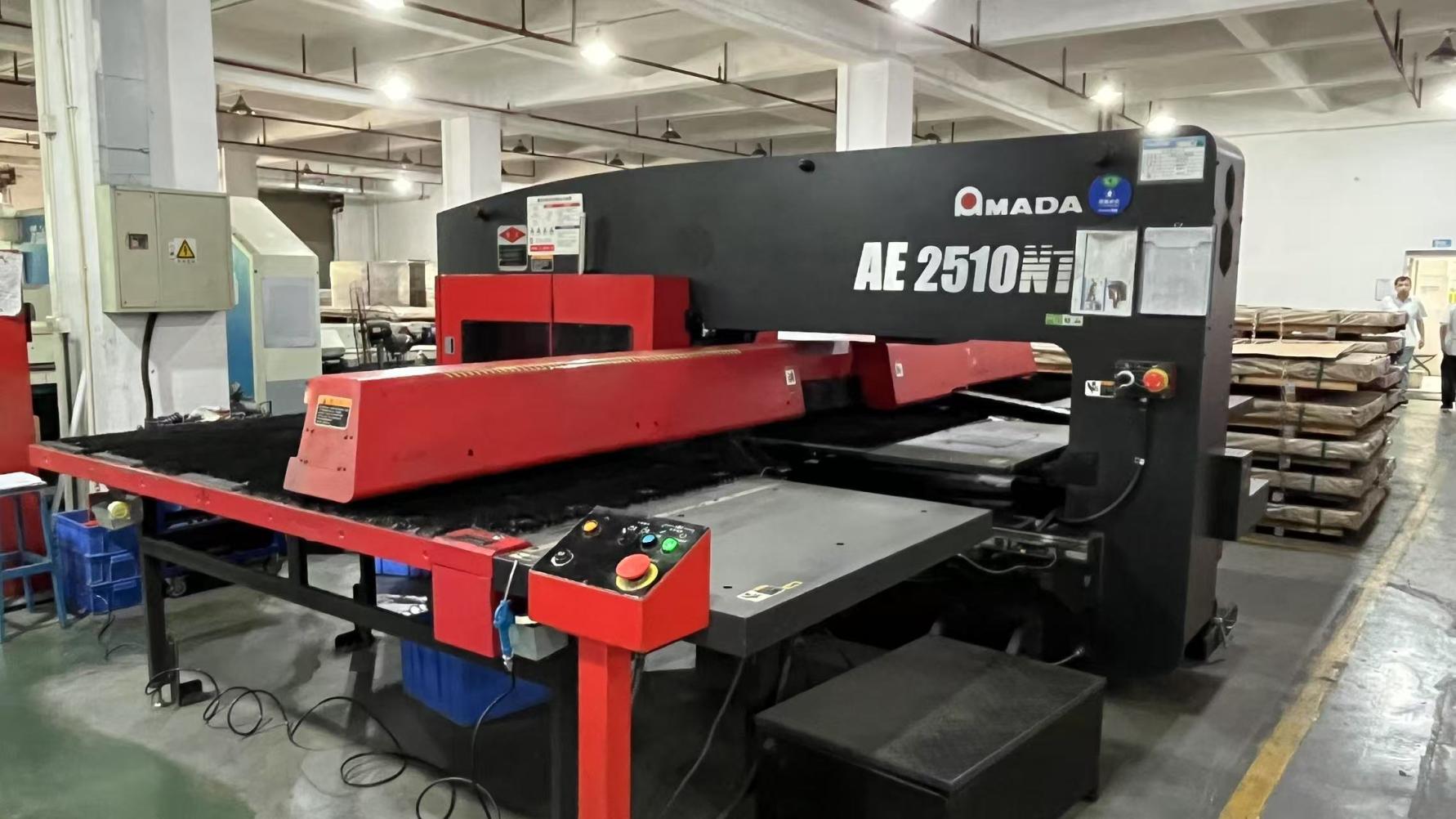
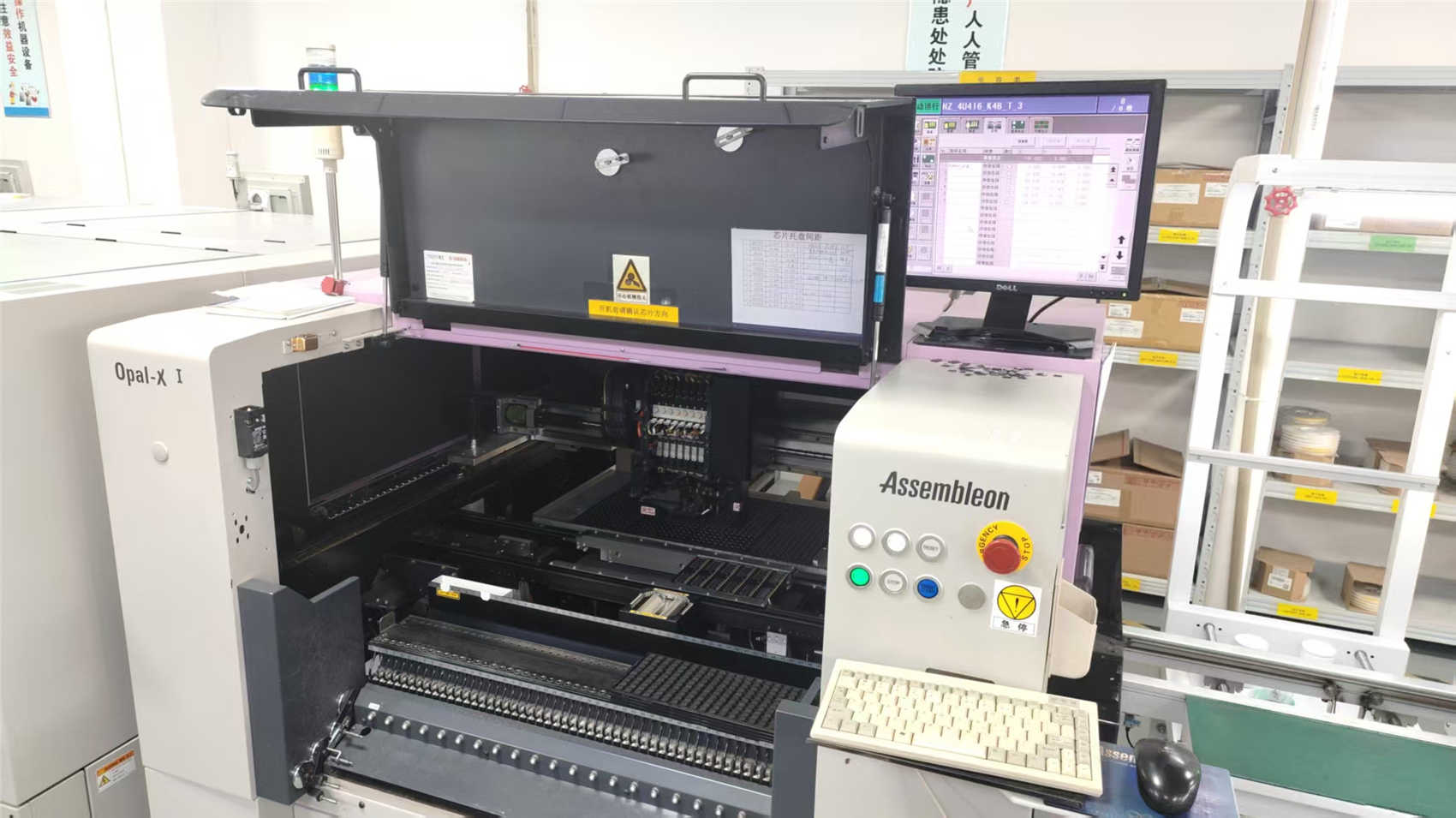
Founded in 2016, Cynovex Semiconductor Co., Ltd. is a leading manufacturer specializing in high-performance memory configurations and advanced PCB assembly solutions for industrial, commercial, enterprise, and consumer systems. Operating from a modern production facility covering 18,600 m², Cynovex streamlines R&D, precision manufacturing, rigorous quality control, and international sales logistics under one facility.
10+ Years
Industry Expertise
$28M+
Annual Export Value
56 Team
QC Inspectors
94 Eng.
R&D Innovators
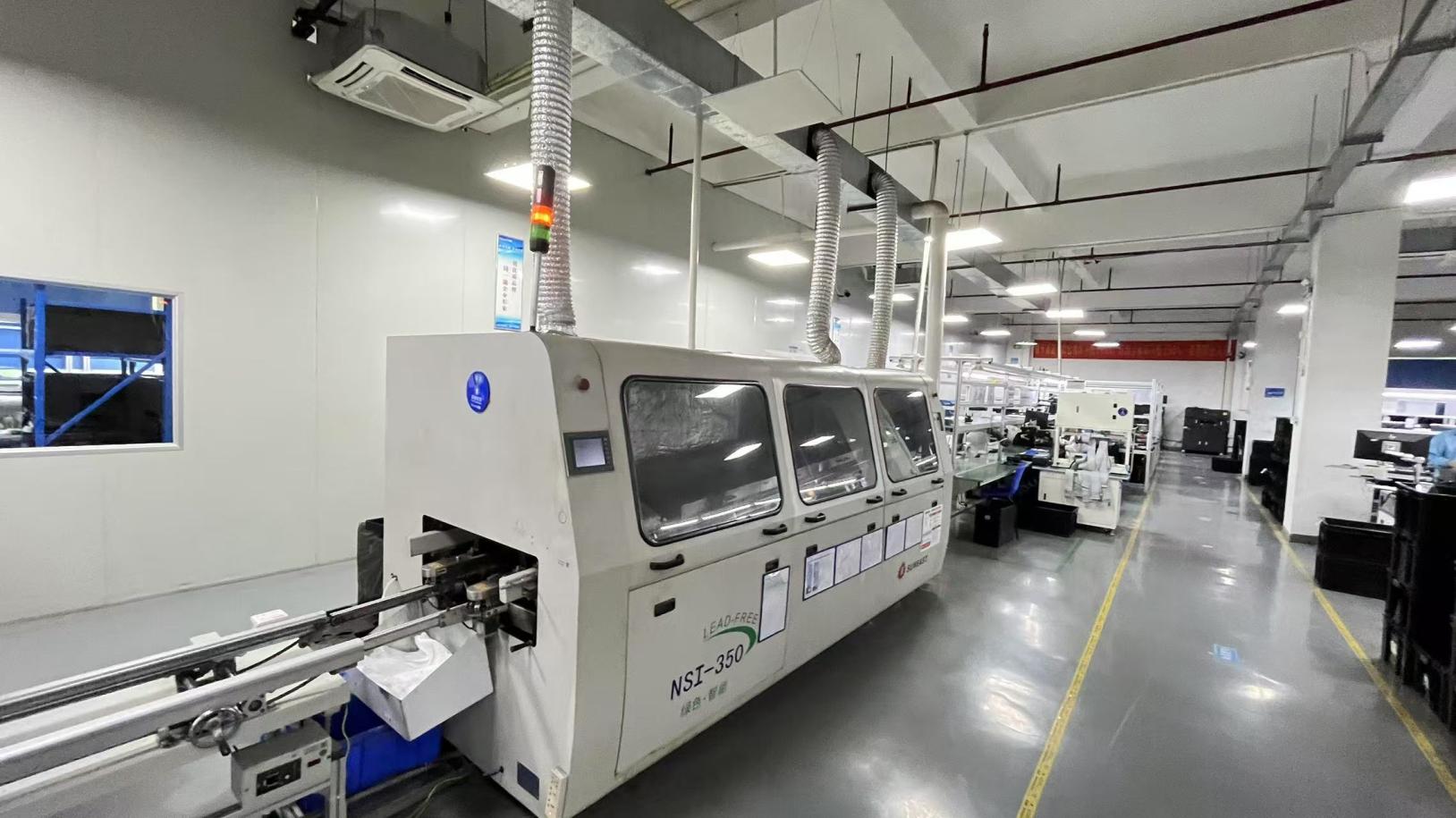
Cynovex’s technical capabilities are verified through deep compliance frameworks. Every memory module, motherboard component, and SMT assembly undergoes 100% functional testing, burn-in testing, motherboard compatibility matrix analysis, high-frequency signal integrity analysis, and environmental aging testing. Cynovex operates 8 high-speed SMT assembly lines equipped with 3D Automated Solder Paste Inspection (SPI) systems, inline Automated Optical Inspection (AOI) units, and X-ray inspection equipment for BGA void verification.
As a custom OEM/ODM service provider, the company maintains robust material sourcing agreements with over 1,150 supply chain partners globally. In the past fiscal year alone, Cynovex introduced 138 new products to meet the demands of global buyers across North America, Europe, South America, and Oceania. Customization capabilities range from private labeling, logo laser etching, and tailored packaging configurations to complex firmware optimization and hardware thermal performance tuning.

Macro Industry Solutions & Application Scenarios

How advanced PCB assemblies and high-performance memory systems integrate into real-world industrial environments.

Data Centers & HPC Platforms

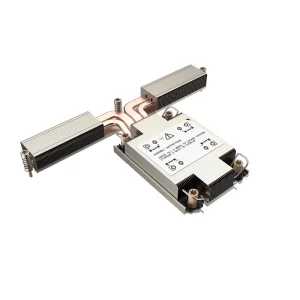
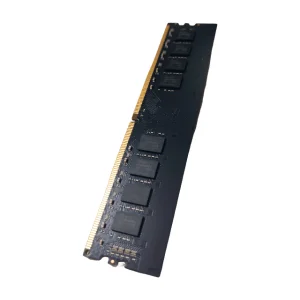
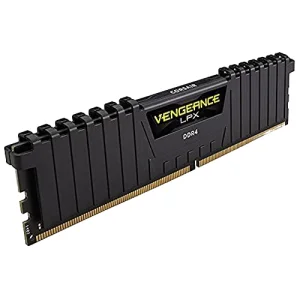
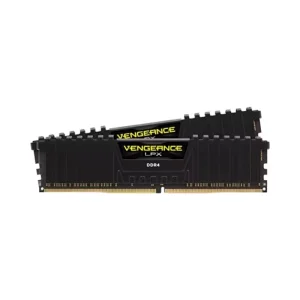
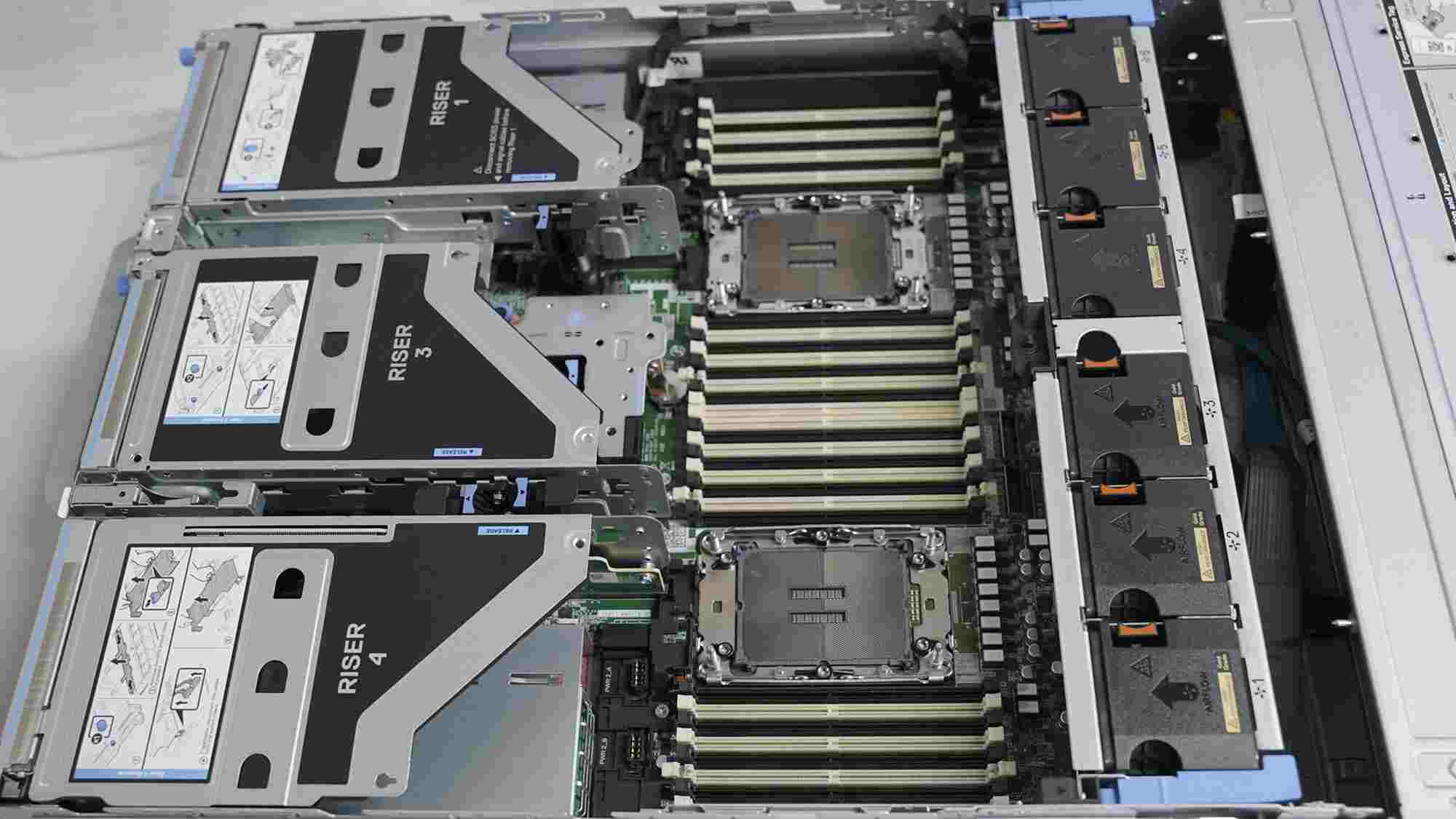
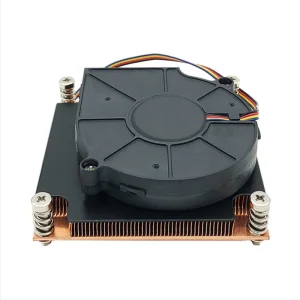
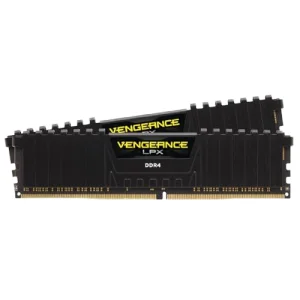
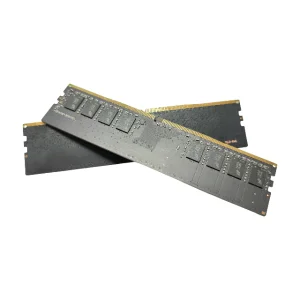
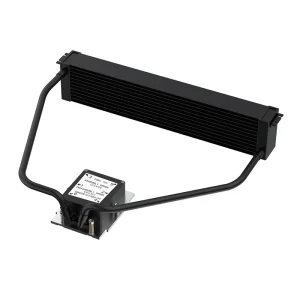
Modern rack servers demand high computation densities. Hardware designs must combine heavy processing power with robust cooling solutions, such as the LGA4677 Air-Cooled Passive Extruded Aluminum Radiator and SP5 2U Integrated Water Coolers, paired with dense memory modules (like 64GB DDR4 and DDR5 blocks). Cynovex's hardware prevents thermal throttling, maintaining optimal throughput for server motherboards operating 24/7/365.

Industrial Automation & Control

In industrial environments, electronics must withstand high vibration, humidity, and wide temperature swings. Immersion silver surface finishes on PCBs protect against corrosion, while components are securely anchored via precise automated DIP through-hole soldering. This ensures longevity in complex power supply instrumentation and automation nodes.

Solid-State Lighting & High-Power LEDs

LED arrays generate localized thermal loads that can damage silicon structures. Aluminum-core PCBs (e.g., T6 5050/3535 lamp bead substrates) dissipate heat efficiently. This design lowers junction temperatures and prevents degradation, making it suitable for automotive headlights, stadium lighting, and high-bay industrial fixtures.

Technical Roadmap & Future Outlook (2026–2030)

Predictive insights into high-density routing, material sciences, and automation trends shaping the next decade of PCB systems.

As signal frequencies enter the GHz range, the traditional boundaries between PCB fabrication, SMT assembly, and silicon packaging are blurring. Over the next five years, the industry is transitioning toward embedded active components, where silicon dies are placed inside the substrate layers to reduce routing path distances and minimize parasitic inductance. This architecture supports fast switching speeds, which are essential for AI accelerators and next-generation transceivers.
On the material front, high-speed designs are moving beyond standard FR-4 to low-loss hydrocarbon laminates, polytetrafluoroethylene (PTFE) composites, and ceramic-filled substrates. These materials maintain stability under high thermal loads and high-frequency conditions. Additionally, the transition to lead-free, halogen-free, and low-VOC processes helps manufacturers align with global sustainability standards like RoHS and REACH, ensuring compliance for international distribution.
Manufacturing lines are also adopting smart factory automation. Modern plants use real-time AI-based inspection systems that analyze Solder Paste Inspection (SPI) data and instantly adjust paste printing parameters. SMT pick-and-place systems now use closed-loop feedback loops, running continuous calibration checks to ensure accurate placement of micro-components like 008004 components.

Frequently Asked Questions (FAQ)

Detailed technical answers to common questions about SMT assembly, memory signal integrity, and thermal management.

Q1: What are the primary factors affecting signal integrity in high-speed DDR4/DDR5 routing?
Signal integrity in memory routing is primarily affected by trace impedance mismatches, crosstalk, and propagation delay differences. DDR4 and DDR5 interfaces operate at high edge rates, where impedance mismatches can cause signal reflections. Engineers prevent this by maintaining a strict impedance profile (typically 50-ohm single-ended and 100-ohm differential). To minimize crosstalk, traces are separated by at least three times the trace width (3W rule). Matching trace lengths is also critical to ensure that data signals arrive simultaneously with the clock signal.
Q2: How do metal-core (Aluminum/Copper) PCBs improve heat dissipation in LED and power systems?
Metal-core PCBs (MCPCBs) use a thermal dielectric layer bonded to a metal base, typically aluminum or copper. Compared to traditional FR-4, which has low thermal conductivity (around 0.25 W/m-K), aluminum substrates offer thermal conductivities between 1.0 and 4.0 W/m-K, and copper bases can exceed 300 W/m-K. This design quickly draws heat away from power components and LED dies, lowering junction temperatures and extending the lifespan of the system.
Q3: What are the differences between LGA4677 and SP5 thermal requirements?
Intel's LGA4677 socket (supporting Sapphire Rapids/Emerald Rapids Xeon CPUs) and AMD's SP5 socket (supporting Genoa/Bergamo EPYC CPUs) handle high thermal design power (TDP) levels, often ranging from 350W to 400W+. The SP5 socket has a larger physical footprint, requiring precise mounting force to ensure uniform contact across all pins. To prevent hot spots, SP5 thermal solutions typically use vapor chambers or multi-pipe liquid coolers. The LGA4677 socket, while slightly smaller, has high local heat flux densities, requiring high-density fin passive heatsinks or direct-contact heat pipe arrays.
Q4: Why is Immersion Silver (ImAg) preferred for industrial power supply PCBAs?
Immersion Silver (ImAg) provides a flat, even surface finish that is well-suited for fine-pitch SMT components and large-pad components like power transistors. Unlike Hasl (Hot Air Solder Leveling), which can exhibit surface irregularities, ImAg ensures coplanarity. It also offers excellent solderability and electrical conductivity, with a lower surface resistance than Electroless Nickel Immersion Gold (ENIG), making it ideal for high-current and RF power applications.
Q5: How does Cynovex execute 100% burn-in testing on DRAM modules?
Cynovex performs burn-in testing by placing memory modules under continuous electrical and thermal stress inside specialized environmental chambers. The units run memory diagnostics (such as algorithmic pattern generation and read/write loops) at elevated temperatures (typically 85°C to 100°C) for several hours. This process accelerates the identification of early-life failures (infant mortality), ensuring that only stable, high-reliability memory modules reach the field.