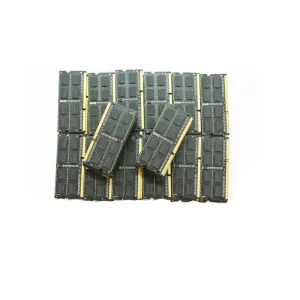
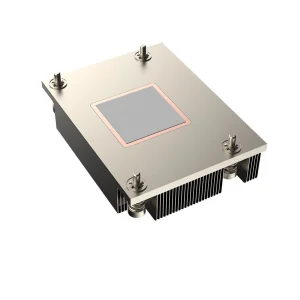
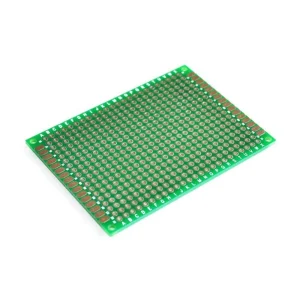
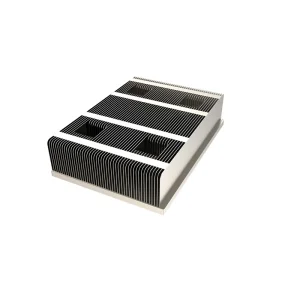
Direct factory supply of high-grade server memory modules, specialized CPU coolers, and aluminum PCBs essential for driving commercial smart lighting nodes and central controllers.
In the modern era of the Industrial Internet of Things (IIoT), the term "Smart Lighting" has evolved far beyond basic remote-controlled LED lightbulbs. Today, global enterprises, municipal planners, and commercial facilities demand integrated, edge-computed, energy-efficient smart illumination ecosystems. These architectures require high-performance underlying hardware: from robust heat-dissipating substrates (like aluminum PCBs) to powerful edge control units fueled by high-capacity, low-latency DRAM and processing cores.
China has emerged as the central epicenter for manufacturing and design in this field. A top China Smart Lighting supplier does not just construct fixtures; they deliver the underlying semiconductor components, specialized development boards, power electronics, and thermal cooling modules that sustain round-the-clock industrial operations. This whitepaper analyzes how high-performance DRAM memory, thermal regulation modules, and custom PCBs form the backbone of these advanced platforms.
The worldwide transition toward carbon neutrality and smart city infrastructures has accelerated the implementation of intelligent lighting frameworks. Industrial warehouses, automated manufacturing hubs, municipal roadways, and enterprise office complexes are adopting interconnected sensor-driven arrays. By leveraging technologies such as Power over Ethernet (PoE), mesh networks (Zigbee, Thread, Bluetooth Mesh), and AI-driven control servers, modern infrastructures can lower energy use by up to 70%.
At this scale, reliability is critical. Industrial settings subject smart controllers to extreme temperatures, continuous operations, and severe electromagnetic interference. Consequently, system developers prioritize industrial-grade components. Edge computing hubs deployed in outdoor streetlights or large warehouses require dedicated cooling mechanisms, like copper-based passive heatsinks and dual ball-bearing fans, coupled with error-correcting memory (ECC RAM) to prevent data corruption in control software.
To understand what differentiates an ordinary supplier from an enterprise-grade OEM/ODM manufacturer, it helps to examine the core hardware layers that drive modern smart lighting networks:
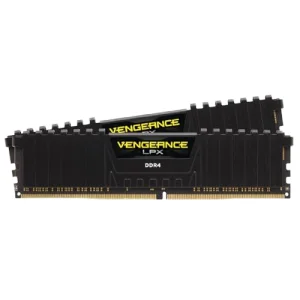
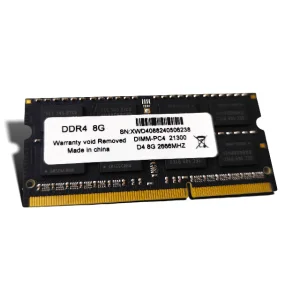
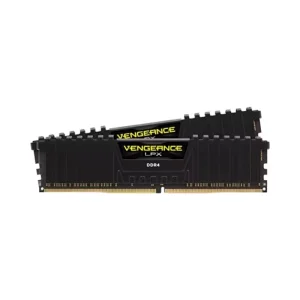
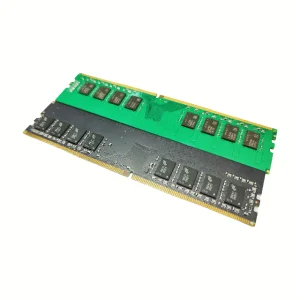
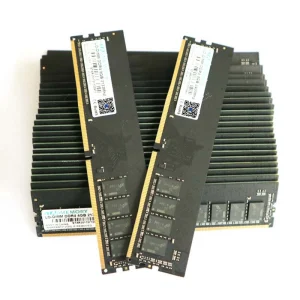
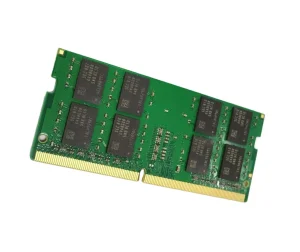
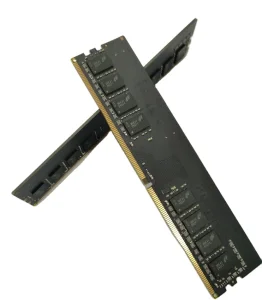
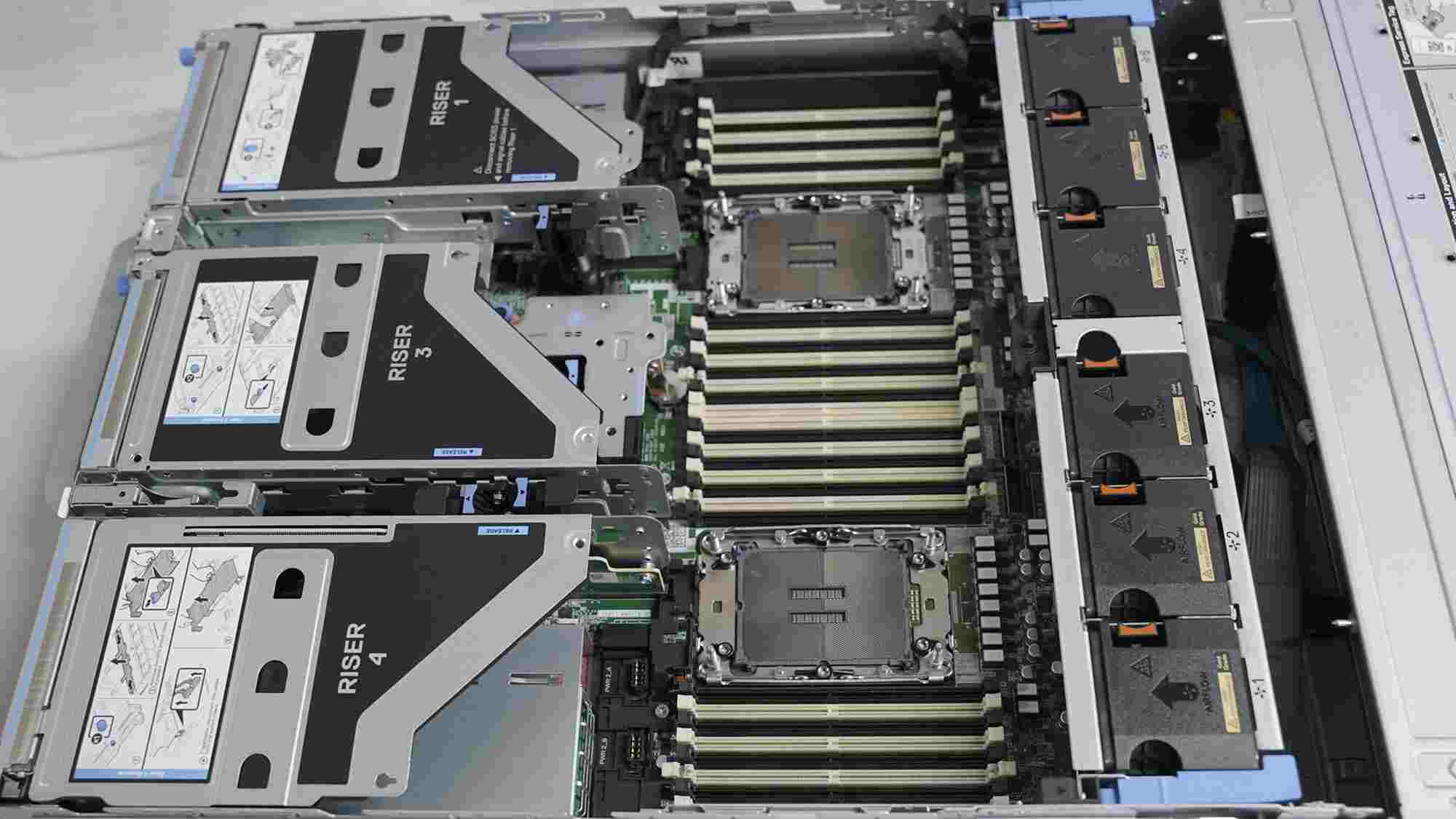
Smart lighting gateways require robust memory profiles (like high-performance DDR4 and DDR5 RAM) to process real-time sensor feedback, coordinate mesh nodes, and execute local automation rules with minimal latency.
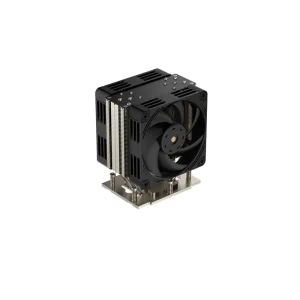
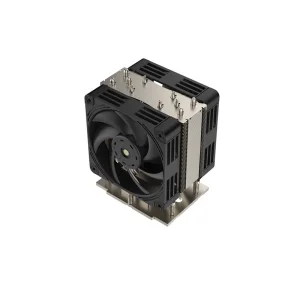
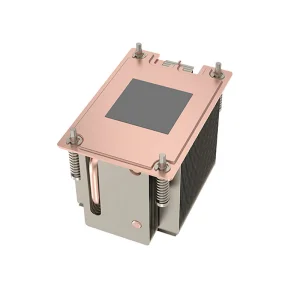
High-wattage LED systems and dense control units produce significant heat. Advanced server-grade copper and aluminum passive heatsinks protect the system from thermal throttling and premature driver failure.
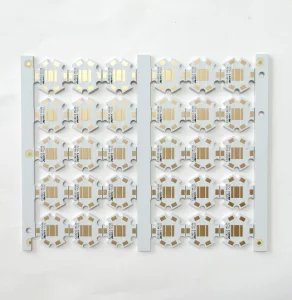
High-thermal-conductivity aluminum substrates (such as T6 5050/3535) are essential for mounting LED beads. They efficiently transfer heat away from the light source to guarantee a lifespan exceeding 50,000 hours.
As smart buildings shift processing to the edge, gateways must run local databases, containerized lighting management services (e.g., Node-RED, Home Assistant Enterprise, or proprietary municipal programs), and encryption protocols. Utilizing stable, high-speed RAM modules—such as Cynovex’s high-density DDR4/DDR5 series—ensures uninterrupted processing for hundreds of connected sensors and lights without system lag.
High-performance LED arrays run at elevated currents, generating localized heat that can damage the LED chip or nearby control circuits. By integrating custom-engineered, server-class aluminum plate heatsinks and copper-base active air-cooled coolers, system designers can establish a reliable thermal envelope, even in harsh hot-zone operations like steel mills, chemical facilities, or tropical outdoor sites.
Why do leading global brands source their critical smart lighting and industrial electronics from China? The answer lies in supply chain integration, raw material availability, and advanced testing infrastructure.
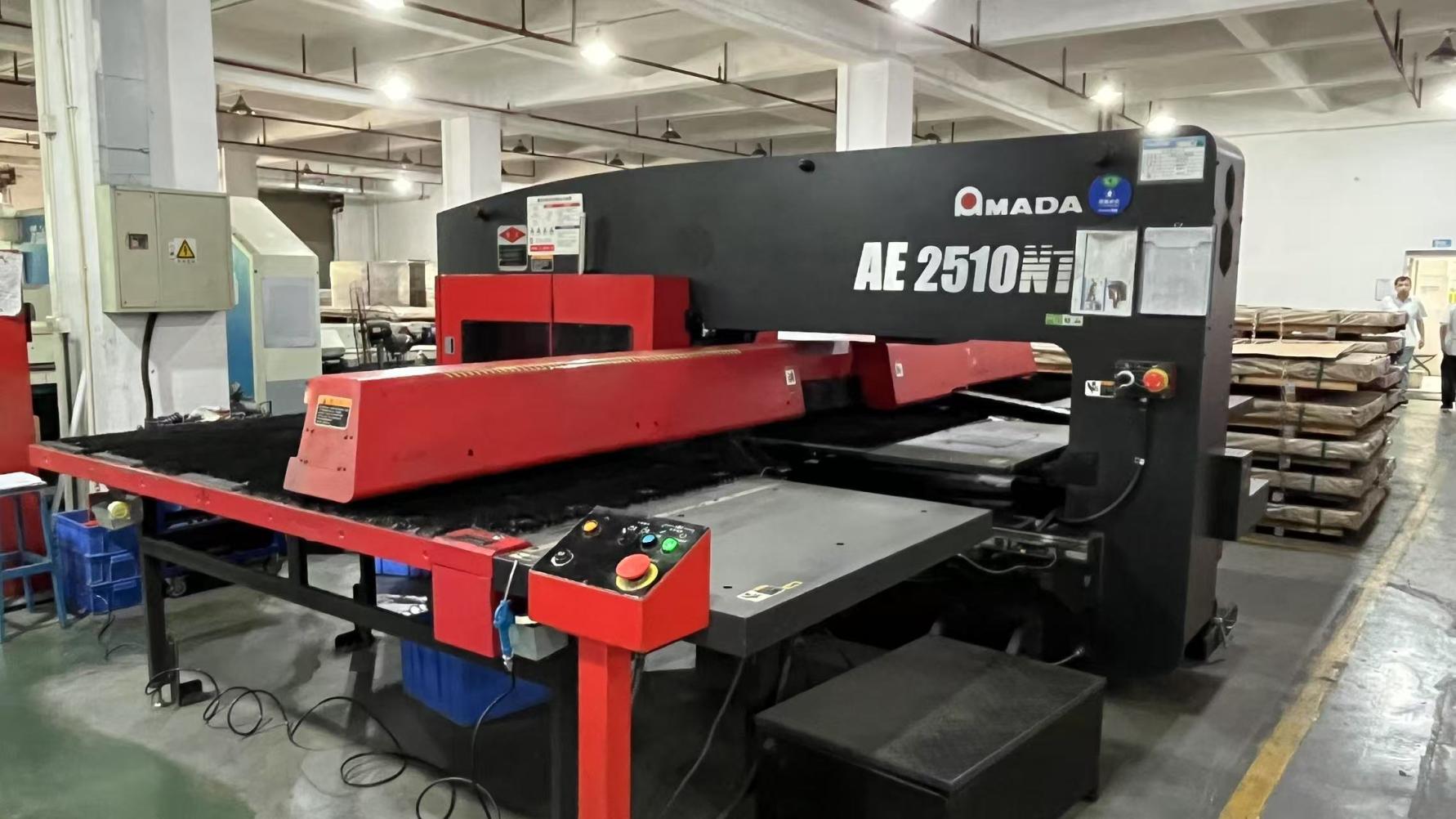
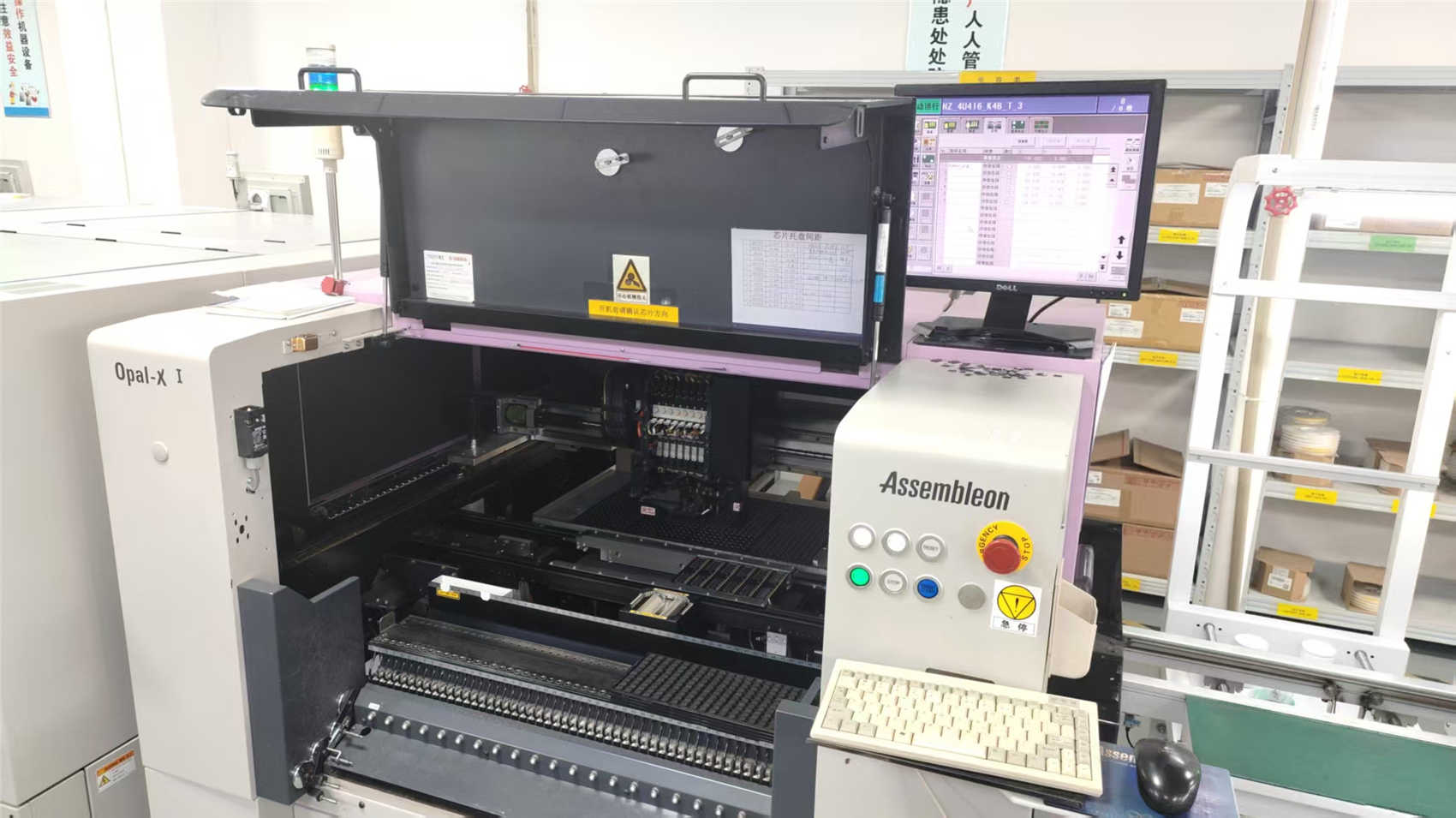
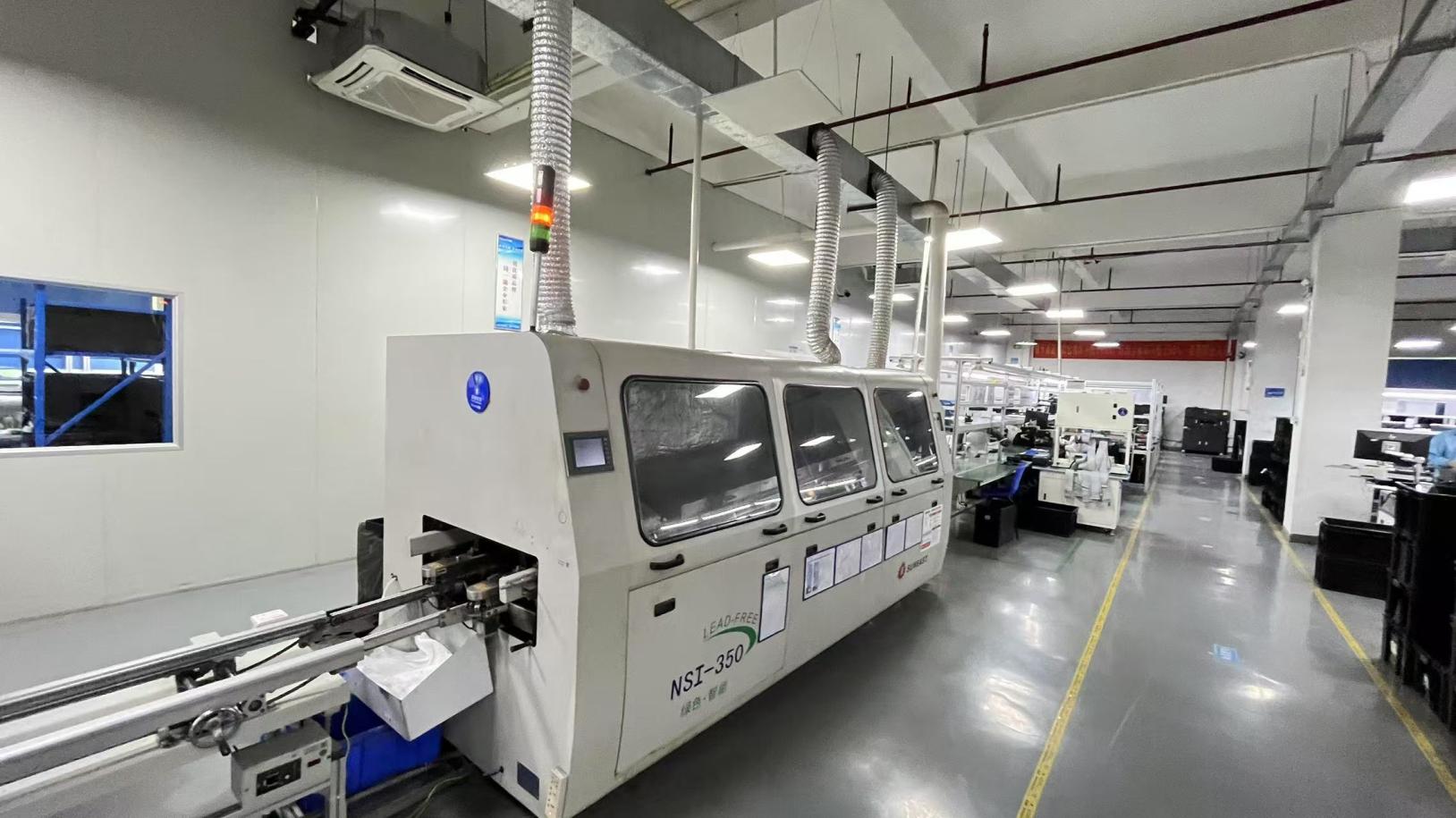
A prime example of this operational model is Cynovex Semiconductor Co., Ltd. Established in 2016, Cynovex manages an 18,600 m² modern manufacturing facility that integrates research, design, production, and international logistics. With more than 1,150 supply chain partners, the company secures raw semiconductors, PCB laminates, and metal alloys at competitive rates, shielding clients from supply disruptions.
Furthermore, Chinese manufacturing goes beyond simple assembly by emphasizing rigorous quality assurance. Cynovex employs 56 dedicated quality inspectors who oversee a comprehensive testing protocol:
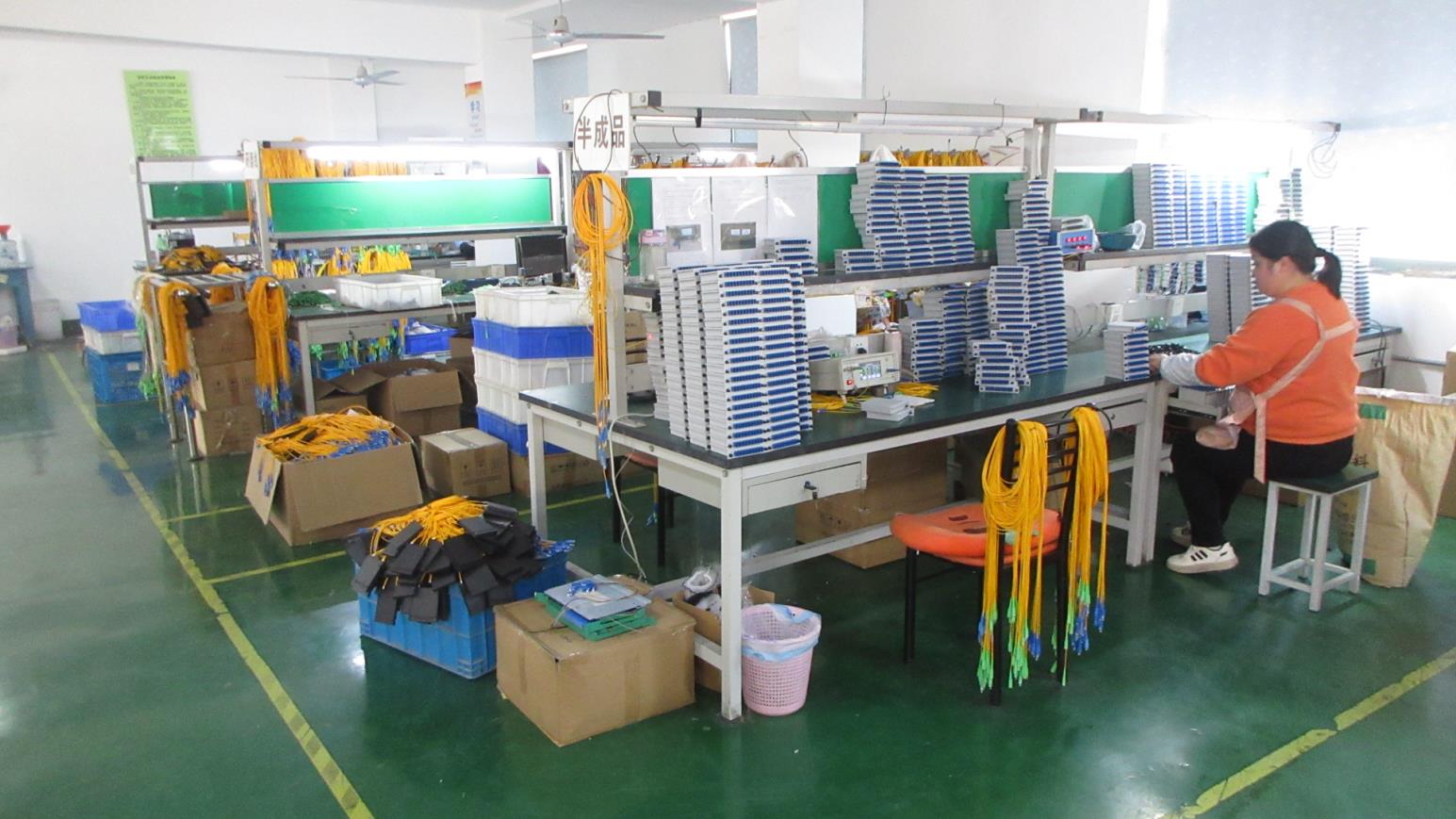
Smart lighting hardware must adapt to different local environments. Below are three common real-world application scenarios:
Modern distribution hubs operate 24/7. Lighting systems here interface with motion-tracking cameras and automated guided vehicles (AGVs). These installations require:
Streetlights serve as environmental monitoring nodes, public Wi-Fi hotspots, and traffic analysis stations.
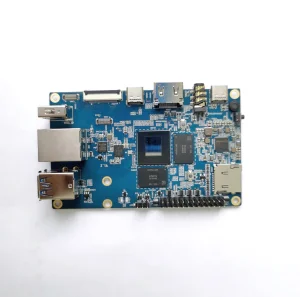
These systems rely on edge computing platforms, such as the Rockchip RK3588S development board, which features a built-in NPU for real-time video analytics and adaptive dimming. The heat generated by these compact boards is managed by passive copper-based heatsinks, ensuring reliable performance without moving parts that could wear out.
In corporate offices, lights are linked to HVAC systems, meeting schedulers, and daylight-harvesting sensors. Central control gateways process this data continuously. These gateways use high-density memory (like DDR4/DDR5) and active CPU cooling systems to run scheduling software without downtime.
Explore our full catalog of high-durability memory modules, development boards, and specialized thermal management solutions engineered for global industrial buyers.
As the market expands, several key technological trends are defining the future of commercial and municipal lighting:
In the past, proprietary communications protocols created closed ecosystems. Today, the industry is transitioning toward Matter—a unified smart home and building automation protocol backed by global tech leaders. For smart lighting developers, this shift demands gateways with higher processing power and larger memory allocations to manage the security handshakes and multi-admin access routes that Matter requires.
Modern systems do more than dim lights on a fixed schedule. They use real-time visual and environmental data to adjust output dynamically. Processing these feeds locally requires powerful development boards (like Rockchip RK3588S architectures) equipped with integrated Neural Processing Units (NPUs) that handle object detection and movement analysis directly on-site, eliminating the need to send heavy video streams to the cloud.
Adjusting light color and intensity to match natural human biological rhythms improves comfort and productivity in offices, schools, and hospitals. This variable-spectrum control requires multi-channel LED drivers and highly stable aluminum PCB substrates (like the T6 5050/3535 bead lines) to maintain precise color control across different current loads.
Sourcing components globally requires a partner that can match your technical specifications and scale requirements. An experienced OEM/ODM manufacturer like Cynovex Semiconductor provides:
Aluminum PCBs provide excellent thermal conductivity. High-intensity LEDs generate substantial heat that must be quickly dissipated to prevent light decay and extend operational life. Metal-clad substrates transfer heat much more efficiently than traditional FR4 boards.
Smart gateways act as local servers that aggregate sensor data, run automation scripts, and manage communications protocols (like Matter, Thread, or Zigbee). Having stable, high-capacity DRAM (like DDR4 or DDR5) ensures these processes run smoothly, preventing command lag or system crashes.
Boards like the Rockchip RK3588S feature dedicated NPUs that run edge AI algorithms locally. This allows the system to analyze traffic or footfall patterns and adjust lighting dynamically, without needing expensive cloud computing connections.
Key quality tests include 100% functional testing, burn-in aging tests (running at high temperatures to check durability), compatibility checks across different systems, and signal integrity testing to verify communication lines are shielded from electromagnetic noise.
 Cynovex