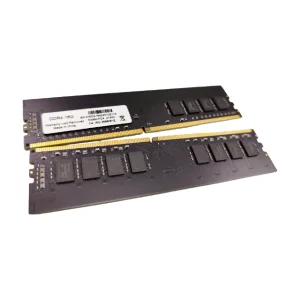
High-performance architecture optimized for system integrators, embedded hardware, and IT distributors across Auckland, Wellington, and Christchurch.
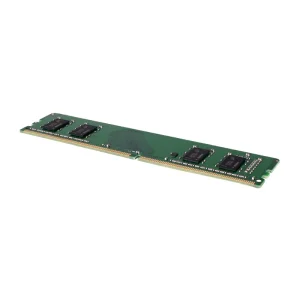
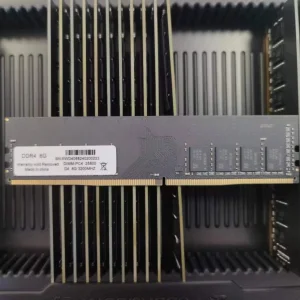
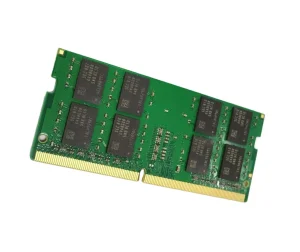
While mainstream technology environments prioritize the transition to high-speed DDR5 architecture, legacy computational infrastructure remains the backbone of core New Zealand industries. From Auckland's automated dairy processing plants to the remote telemetry terminals of South Island agricultural grids, DDR3 RAM Memory represents stability, longevity, and optimal thermal management for mission-critical operations.
Many system builders and industrial operators in New Zealand face high costs when fully replacing proprietary legacy motherboards or embedded controllers. Upgrades are often economically unviable, especially when custom software is bound to specialized BIOS systems. Direct factory sourcing of stable DDR3 modules provides a cost-effective path to extending hardware lifetimes without risking compatibility failures.
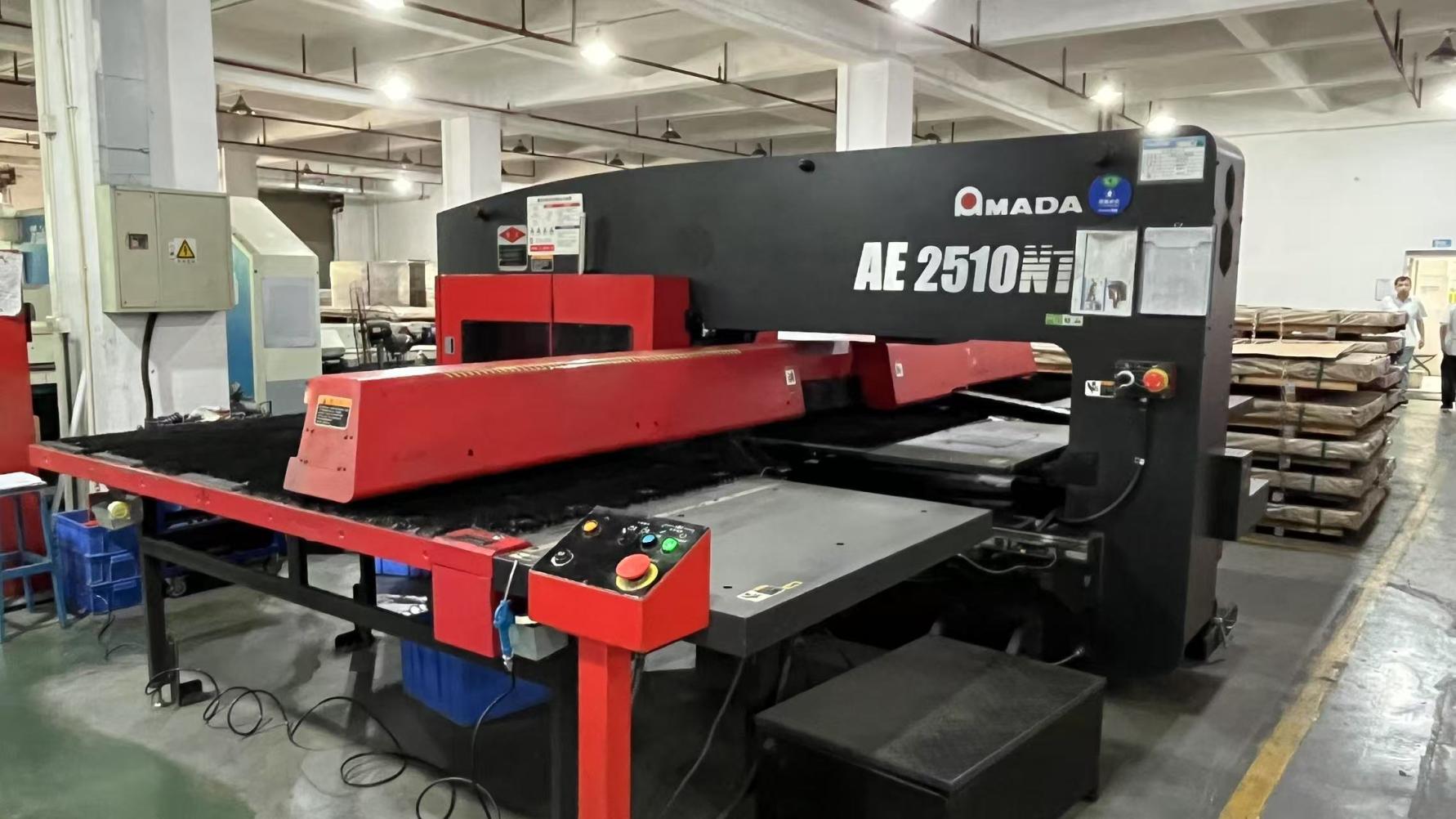
Cynovex Semiconductor combines next-generation precision with rigorous validation protocols for legacy memory modules.
Procuring memory modules directly from specialized semiconductor plants avoids the supply delays and price inflation associated with localized retail channels.
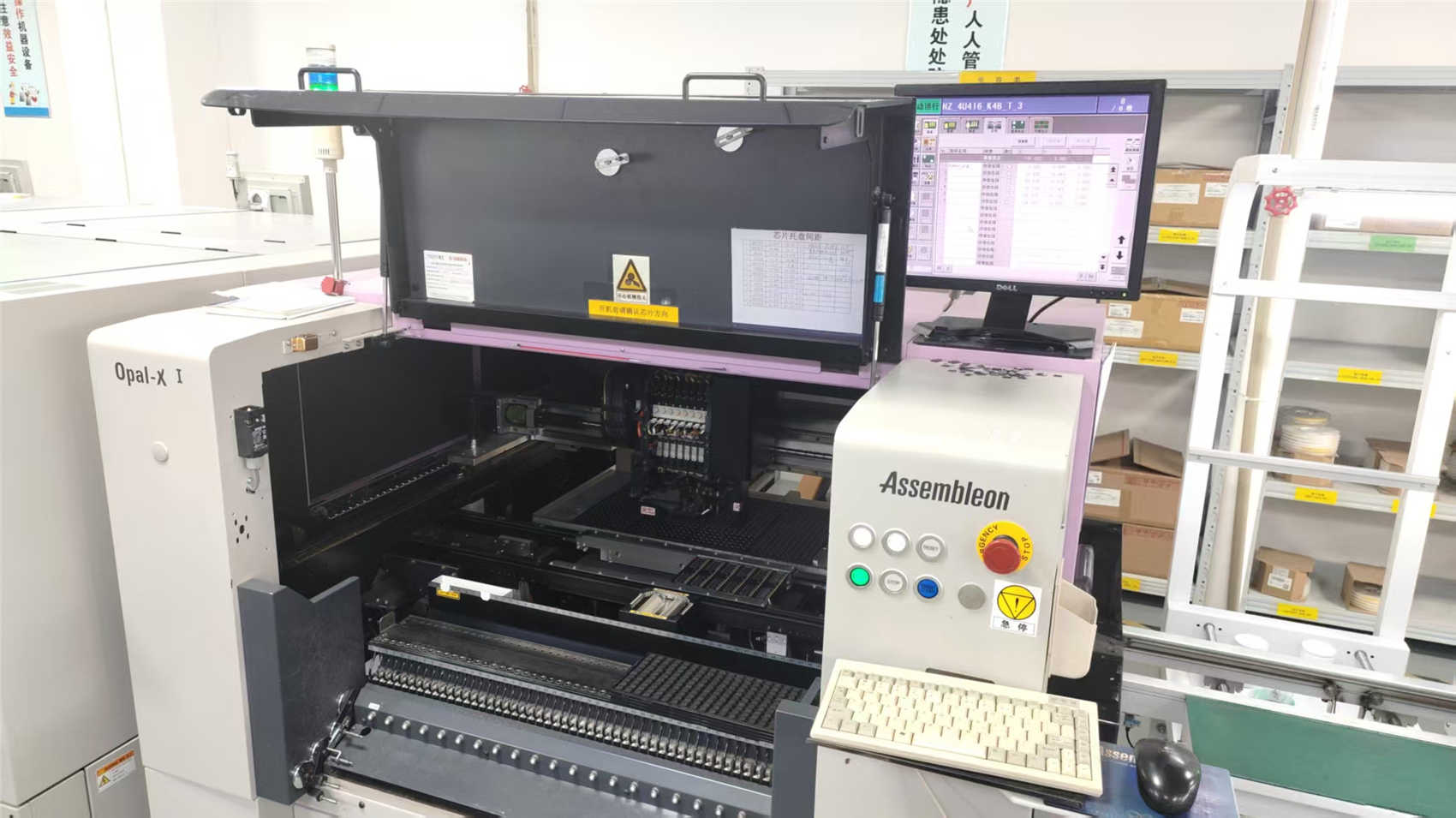
New Zealand businesses operate under unique geographical and logistical challenges. Sourcing from domestic distributors can limit stock levels, particularly for niche items like DDR3 ECC UDIMMs or legacy SO-DIMMs. Sourcing from Cynovex Semiconductor provides several key advantages:
From agricultural processing to marine transport, our DRAM modules support a range of critical systems.
Dairy manufacturing hubs across Waikato and Canterbury use automation setups that run on embedded PCs. These control units rely on low-voltage DDR3 modules (DDR3L) to monitor temperature and flow sensors, ensuring 24/7 reliability in processing milk, milk powders, and cheese.
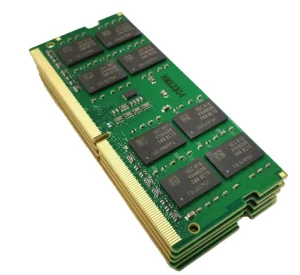
Vessels and marine control stations operating out of Port of Auckland and Port of Lyttelton require vibration-resistant memory modules. Our DDR3 SO-DIMMs are tested to maintain stable operation under the mechanical vibrations typical of shipboard systems and coastal radar setups.
Sensors and monitoring hubs distributed across New Zealand's horticultural regions gather weather and soil data. These systems rely on low-power, fanless industrial systems equipped with DDR3 memory. These configurations require stable memory modules that can withstand broad temperature swings without performance degradation.
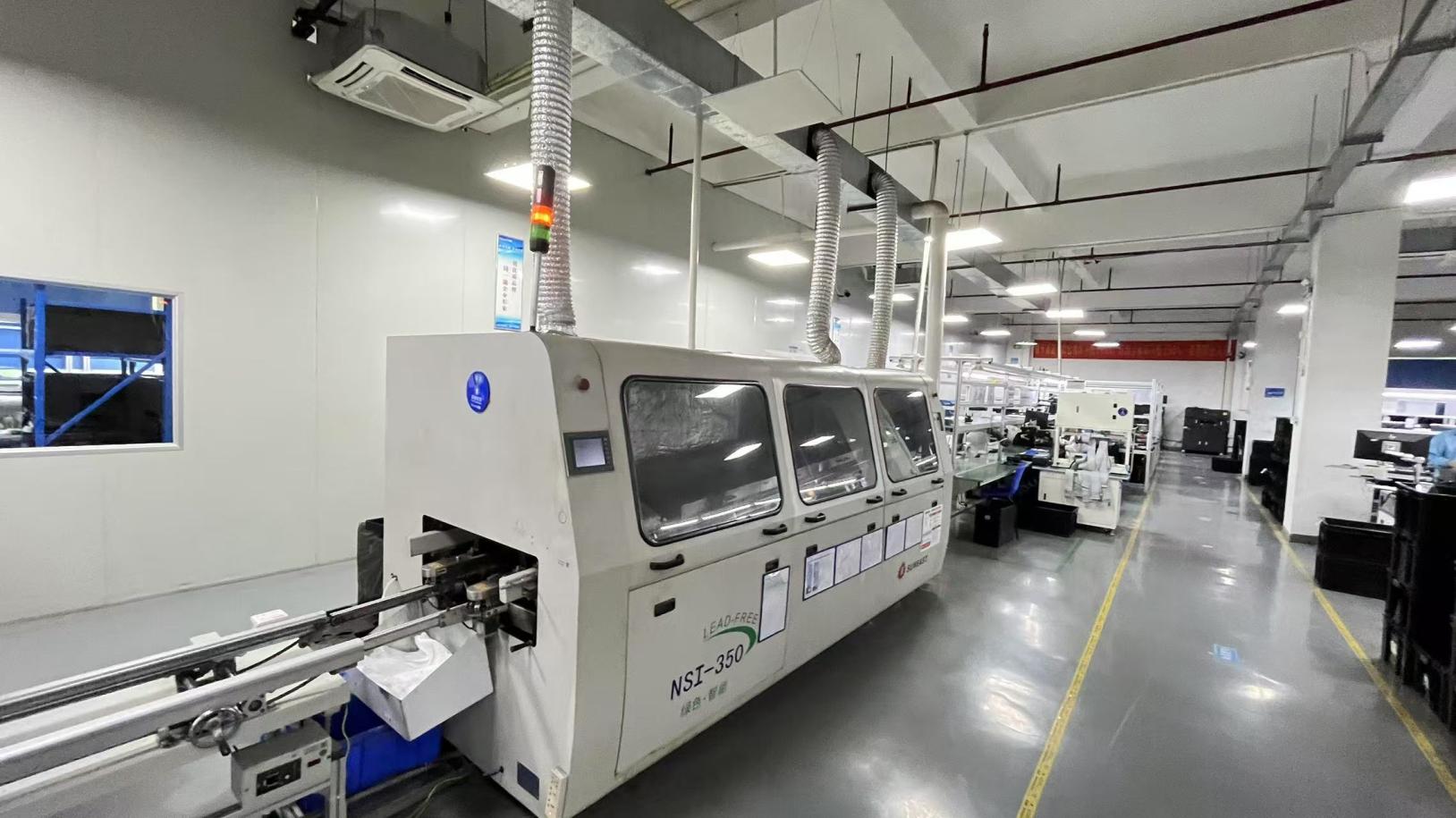
Every memory module undergoes rigorous verification processes before shipment to ensure stability in the field.
For industrial operators, system crashes are costly. Our testing process is structured to prevent memory failures in production environments:
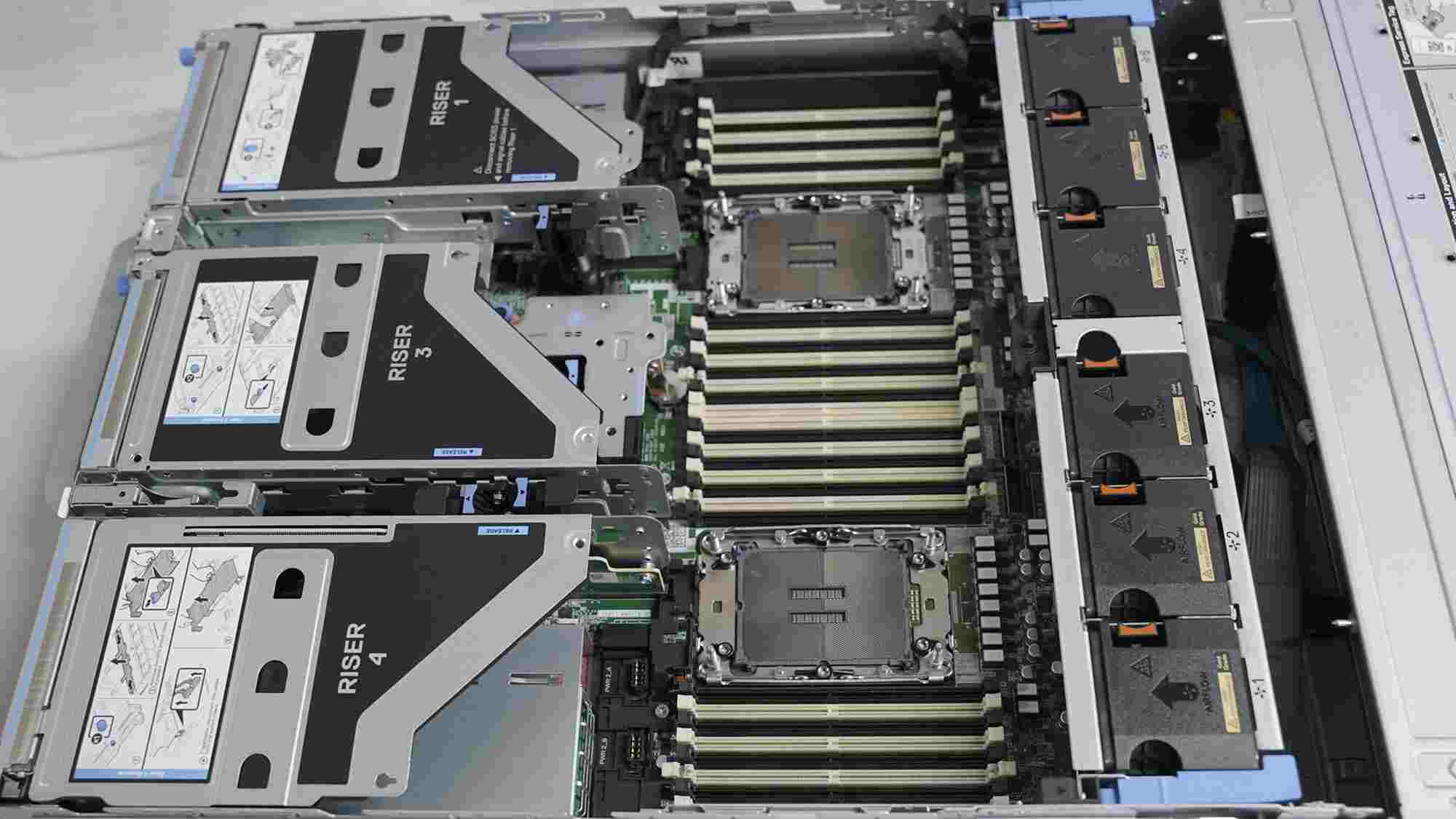
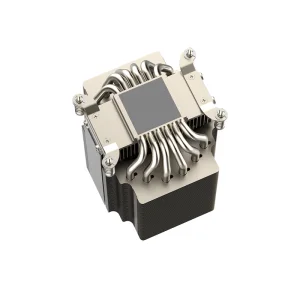
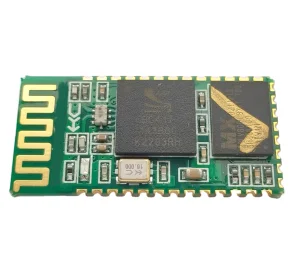
A wider selection of DRAM memory, motherboards, thermal management solutions, and specialized PCB designs for New Zealand enterprise accounts.
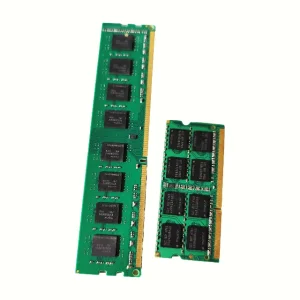
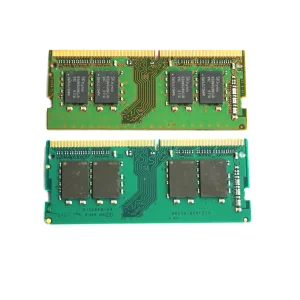
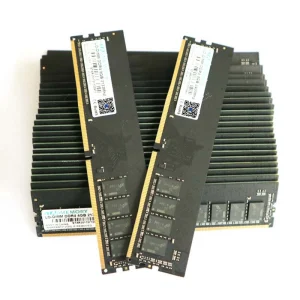
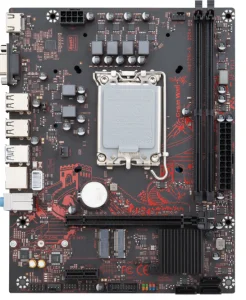
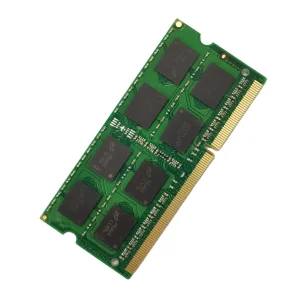
Navigating import processes smoothly via direct China-to-NZ trade channels.
Importing electronic hardware into New Zealand is supported by the NZ-China Free Trade Agreement (NZ-China FTA), which reduces tariff barriers. Our international sales and logistics team assists with all necessary paperwork:
Answers to common questions regarding memory compatibility, procurement logistics, and testing protocols.
Standard DDR3 operates at 1.50V, while DDR3L (L standing for Low Voltage) operates at 1.35V. DDR3L is dual-voltage capable and can scale up to run on 1.50V systems. However, standard 1.50V DDR3 memory cannot operate in dedicated 1.35V DDR3L slots (such as those in modern Intel Haswell-generation embedded boards) because the motherboard will not provide sufficient voltage. We recommend checking your system specification sheets or contacting our engineering team for assistance.
We use original, major-brand DRAM ICs (Sourced directly from major tier-1 manufacturers) and mount them onto multi-layer PCBs with optimized trace design. During production, every batch undergoes functional and stress testing under temperature extremes. This process minimizes the risk of early failure and ensures reliable performance under continuous industrial workloads.
For standard bulk orders using air express services (DHL, FedEx, or UPS), delivery typically takes 5 to 7 business days from dispatch to arrival at New Zealand metro areas. For large bulk orders shipped via sea cargo, lead time is generally 18 to 25 days, depending on shipping schedules and customs clearance times at New Zealand ports.
Yes. We provide comprehensive SPD (Serial Presence Detect) programming services to match the specific motherboard BIOS requirements of your legacy hardware. This custom service resolves potential compatibility and timing issues, ensuring smooth system startups.
Our standard MOQ for custom packaging, labels, or laser-etched branding is typically 500 units per module type. For unbranded or standard factory-labeled modules, we can accommodate smaller trial orders to help with initial testing and integration.
We provide a comprehensive warranty on all our industrial and enterprise memory modules. In the event of a product issue, our engineering team will first assist with remote troubleshooting. If a replacement is necessary, we coordinate returns and replacements to minimize operational downtime.
Connect with our technical sales team for custom specifications, pricing, and volume delivery schedules for the Oceania region.
Send Inquiry Now Cynovex