Engineered for High-Performance Thermal Management and Extreme Operability in Demanding Environments.
Analyzing the Technical Needs, Structural Trends, and Heat Dissipation Challenges of Japan's Precision Industries.
In Japan's highly demanding industrial automation, high-speed rail network, and automotive ecosystems, hardware reliability is non-negotiable. Traditional FR-4 printed circuit boards, while cost-efficient for consumer devices, face critical degradation issues when subject to high junction temperatures ($T_j$) generated by modern high-brightness (HB) LEDs. High thermal load causes dielectric cracking, solder fatigue, and output wavelength shifts, which directly violates Japan's strict safety standards, such as those set by METI (Ministry of Economy, Trade and Industry) and the JIS (Japanese Industrial Standards).
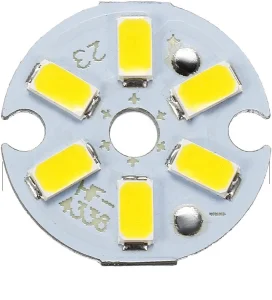
To counteract this, Japanese system designers are shifting rapidly towards Metal Core Printed Circuit Boards (MCPCBs) and Insulated Metal Substrates (IMS). These structures integrate a thin, highly thermally conductive dielectric layer bonded directly to a rigid base material—commonly aluminum (Al 5052/6061) or copper. This layout accelerates heat dissipation away from the LED dies, maintaining junction temperatures below 85°C and assuring continuous operating life spans exceeding 50,000 hours.
When selecting a premium LED PCB supplier, Japanese engineering firms evaluate three major technical axes: dielectric thermal conductivity, Coefficient of Thermal Expansion (CTE) mismatch, and surface finish options. The dielectric layer is the critical bottleneck: a standard FR-4 layer offers a thermal conductivity of roughly 0.25 W/m·K, whereas modern thermal interface dielectrics scale from 1.0 W/m·K to 8.0 W/m·K.
| Substrate Material Type | Thermal Conductivity (W/m·K) | Dielectric Thickness (Typical) | Key Applications in Japan | |
|---|---|---|---|---|
| Standard Aluminum Core (AL 5052) | 1.0 - 2.0 | 75µm - 100µm | Municipal LED streetlighting, commercial high-bay lumineers | High cost-efficiency, stable CTE |
| High-Thermal Aluminum Core (AL 6061) | 3.0 - 4.2 | 50µm - 75µm | Automotive headlamps (EV/ADAS), high-density backlight arrays | Optimized for fast heat dissipation |
| Copper Base (Thermo-electric separation) | ≥ 380 (Direct contact pad) | No dielectric on thermal pad | Ultra-bright high-power spot arrays, aerospace laser optics | Zero thermal resistance at the contact interface |
A Global Standard-Bearer in Industrial Electronics, Thermal Architectures, and System Assemblies.
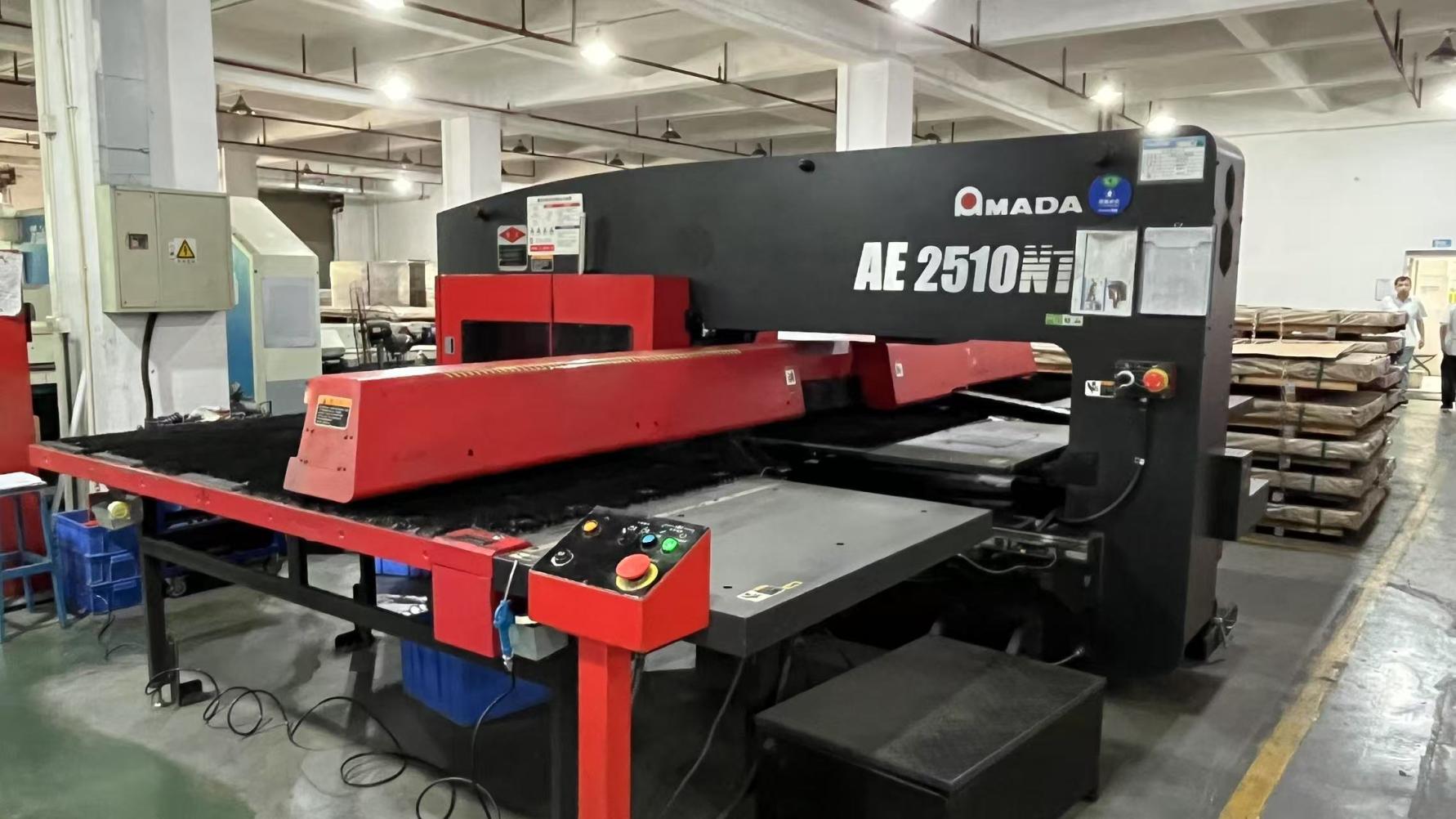
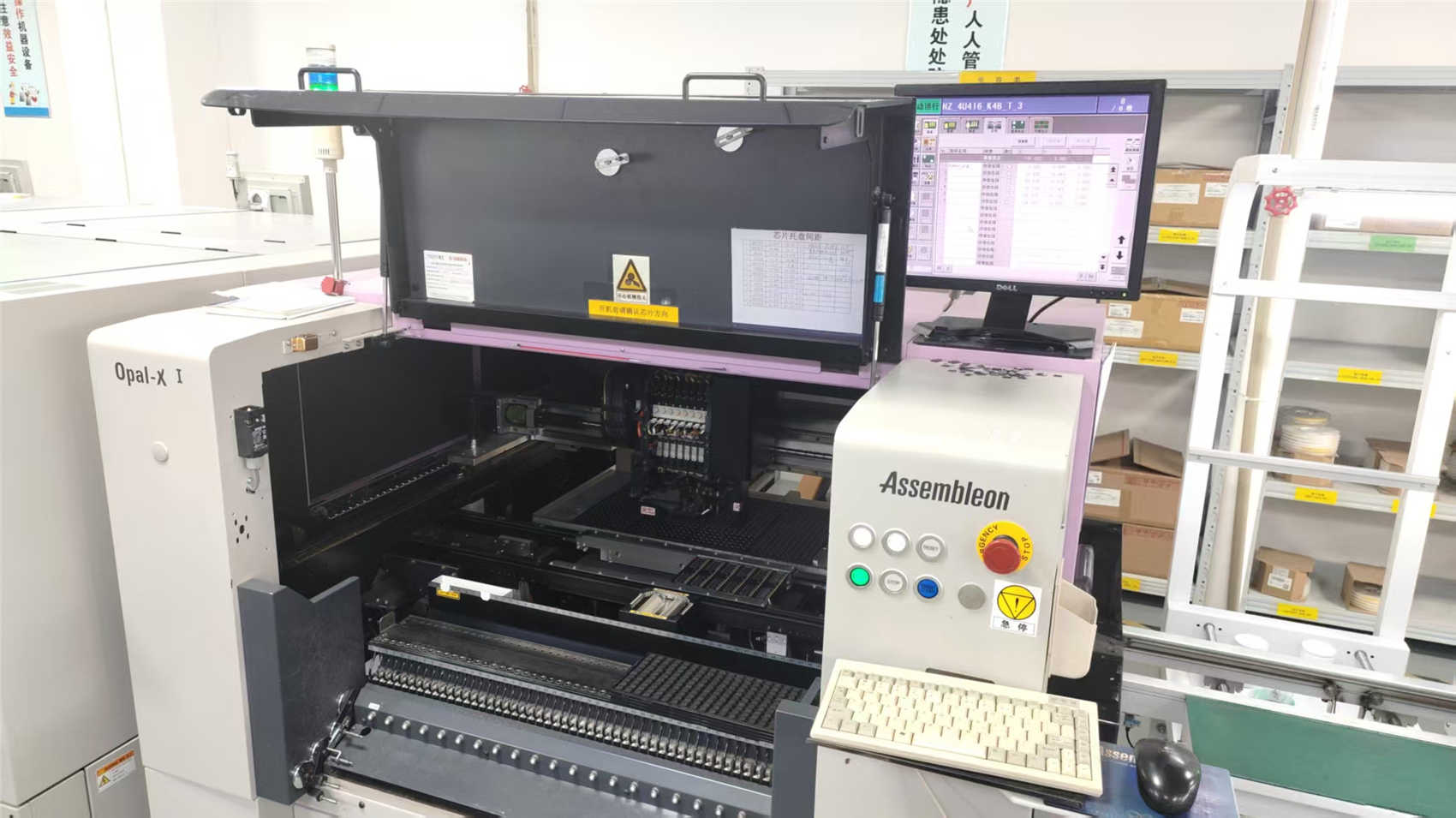
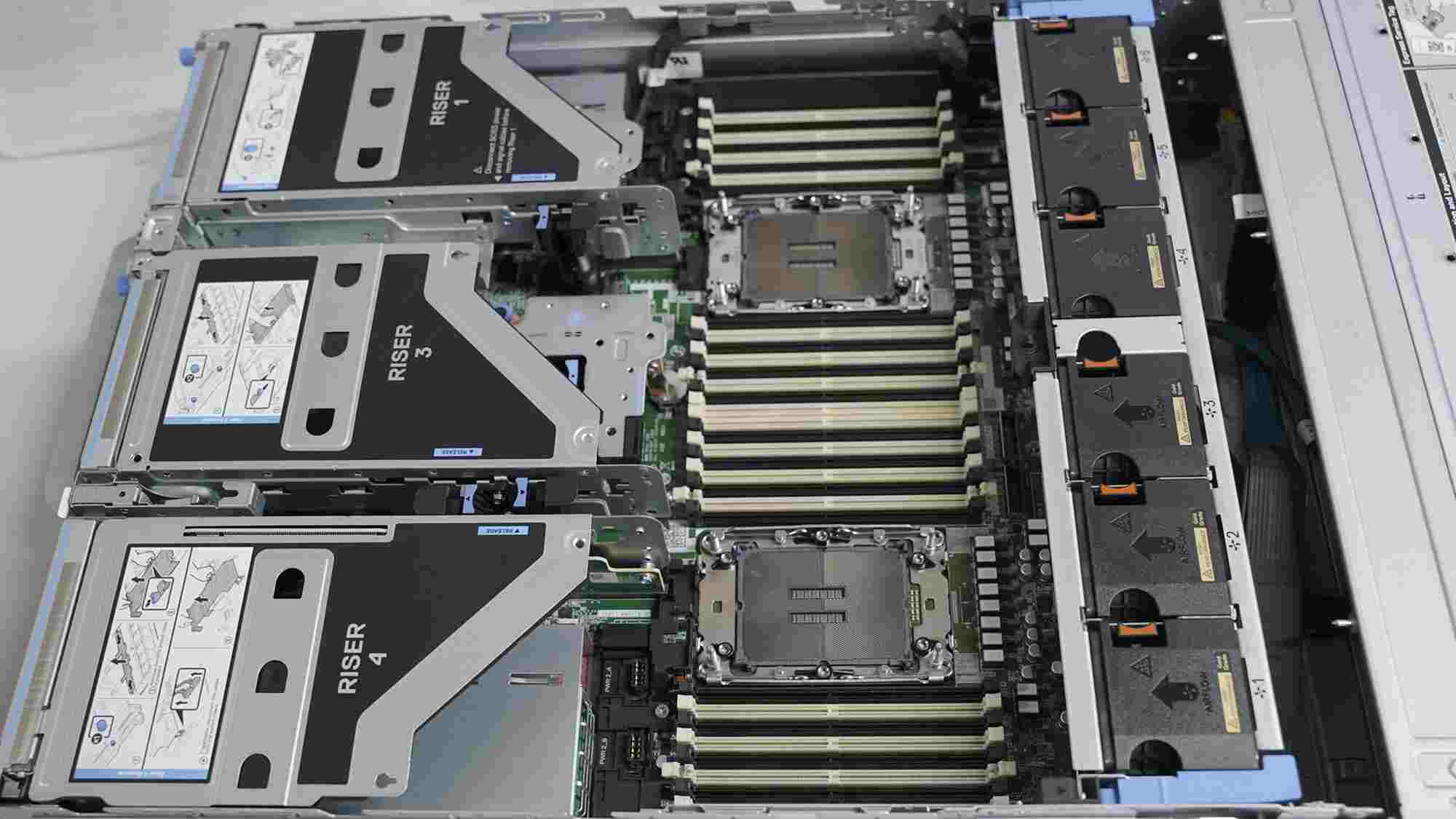
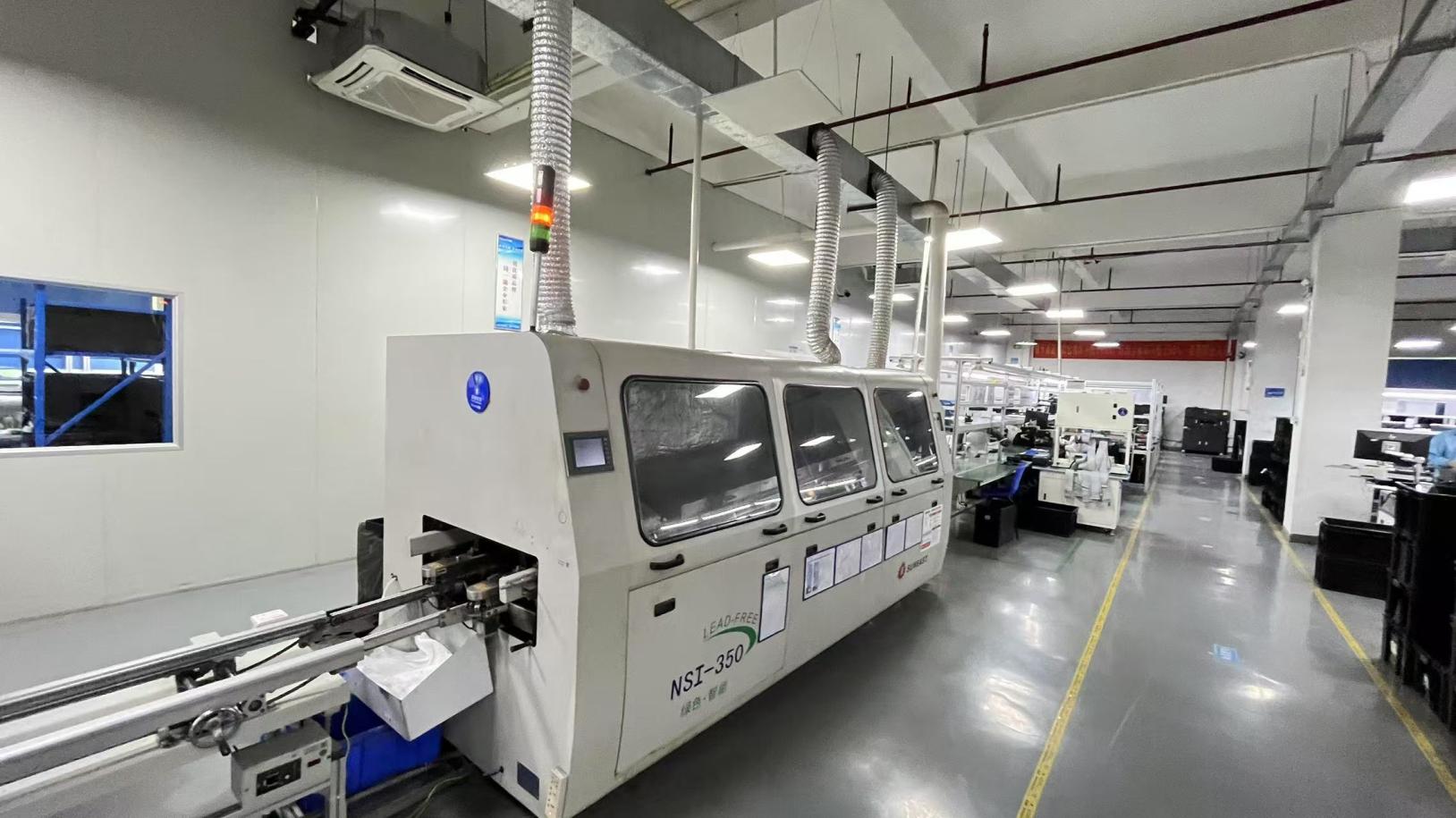
Founded in 2016, Cynovex Semiconductor Co., Ltd. has established itself as an innovative high-performance manufacturer specializing in advanced hardware and memory modules, and high-reliability PCB sub-assemblies for industrial, commercial, and enterprise systems. Cynovex operates an advanced, vertically-integrated 18,600 m² factory that houses R&D, precision assembly lines, automated optical inspection (AOI), and functional testing laboratories under one roof.
With an annual export volume exceeding USD 28 million and supported by a robust network of 1,150+ supply chain partners, we specialize in high-mix, low-volume and high-volume custom production runs. Every batch of circuit board prototypes, LED substrates, and thermal interfaces undergoes 100% rigorous validation protocols—including burn-in tests, signal integrity analysis, thermal cycle simulation, and compatibility matrices—guaranteeing compliance with rigorous Japanese import guidelines and PSE certifications.
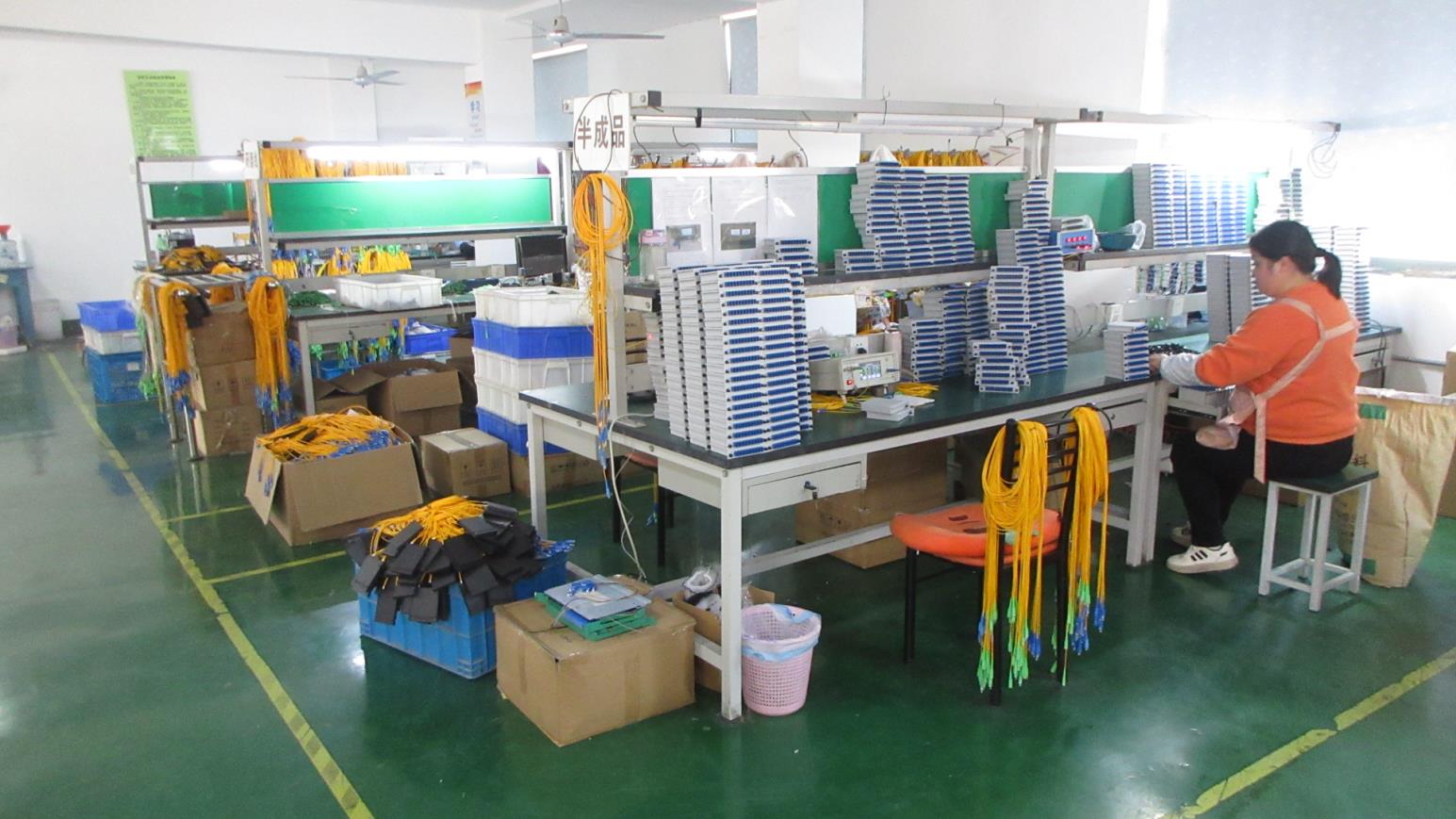
Combining Automated Production Speed with Advanced Quality Control to Optimize Costs for Japanese Procurement Managers.
Cynovex’s Factory 4.0 strategy leverages intelligent robotic arm pick-and-place lines, dynamic real-time solder paste height monitoring, and inline reflow profile optimizers. Because LED PCBs are prone to warpage under intense heating, our production lines maintain a tight, continuous feedback loop. If any micro-offset or variance in solder joint profile is detected, the SMT machine dynamically recalibrates parameters instantly, resulting in defect levels of less than 50 PPM (Parts Per Million).
To address the absolute reliability requirements of Japanese corporate clients, Cynovex deploys an multi-tiered Quality Inspection workflow managed by 56 QC engineers. Every batch undergoes:
We leverage raw material stockpiles (high-conductivity copper/aluminum laminates and Rogers composites) to reduce initial design cycles. Prototype runs can be fabricated and dispatched to Tokyo, Yokohama, or Osaka in as little as 72 hours.
Aligned with Japan's "Green Procurement Guidelines" and global RoHS/REACH compliance frameworks, Cynovex products are fabricated without hazardous heavy metals or halogenated flame retardants.
Adapting Advanced Substrates to Power Key Modern Sectors of Japan's Economy.
Sourcing managers in the Toyota/Aichi manufacturing hub utilize Cynovex high-performance LED metal core boards for integration into energy-efficient automotive headlamp structures. Fast heat-sinking prevents luminance degradation and ensures structural stability for high-intensity highway illumination.
Retrofitting Tokyo’s urban infrastructure with smart-grid linked LED streetlamps requires PCBs with excellent weatherability and integrated heat-dissipating frames to endure seasonal climate variances while functioning nonstop.
Industrial control cabinets and Human-Machine Interface (HMI) monitor modules deployed in Kansai chemical processing hubs require specialized thermal backplates to avoid component overheating in closed, non-ventilated spaces.
Complete Industrial Lineup Engineered for Resilient Deployment Across Japanese Enterprise Infrastructure.
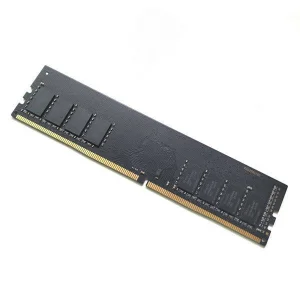
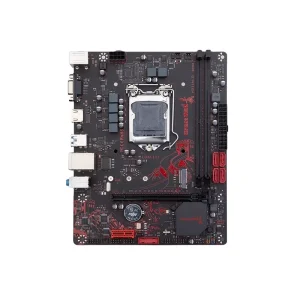
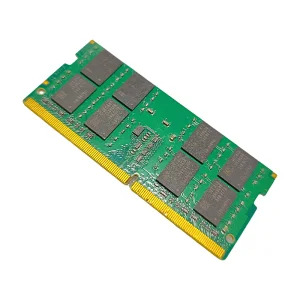
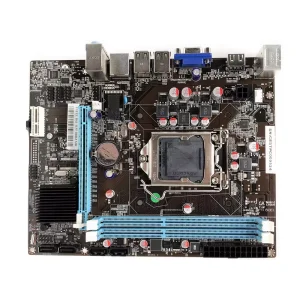
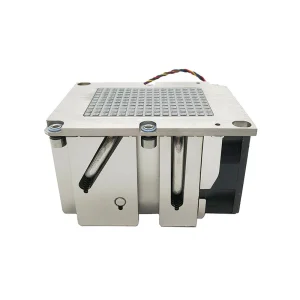
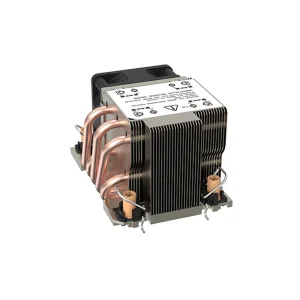
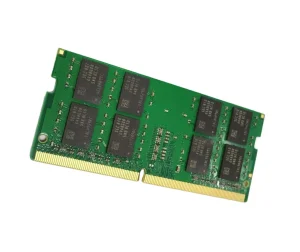
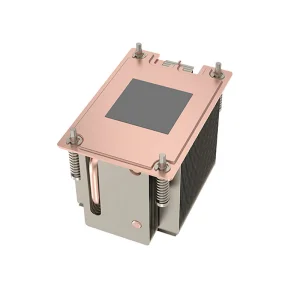
Direct Answers to Technical and Logistical Inquiries from Japanese Sourcing Representatives.
We manufacture Aluminum-based substrates spanning a range from 1.0 W/m·K to 4.2 W/m·K. For specialty systems requiring zero thermal resistance, we offer copper base structures featuring thermoelectric separation technology, allowing the LED slug to directly contact the copper core without dielectric interference.
Yes, all materials and chemical treatments used in our production plants are fully compliant with RoHS and REACH standards. We support Lead-Free HAL (HASL-LF), OSP, and ENIG (Electroless Nickel Immersion Gold) surface finishes to meet Japan's Green Procurement specifications.
Once design validation is signed off, standard board fabrication takes 5–8 business days depending on multilayer complexity. Transit through air freight (EMS, DHL, FedEx) to Haneda, Narita, or Kansai Airport takes 2–4 business days, including Japanese customs documentation support.
Absolutely. Backed by our 94 R&D engineers, we provide custom layouts, stack-up simulations, and small engineering sample runs. We regularly assist Japanese industrial designers in evaluating new high-density configurations before large-scale rollouts.
Get in touch with Cynovex’s application engineering team today. We provide high-fidelity thermal simulations and customized quotes tailored for Japanese projects.
 Cynovex