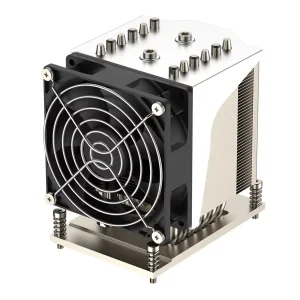
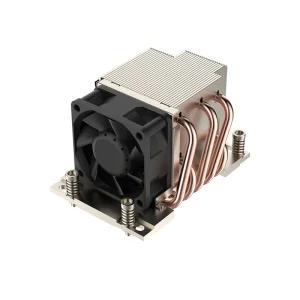
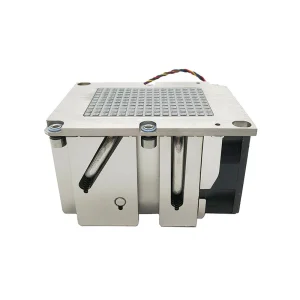
High-performance air and liquid cooling assemblies engineered to support intensive server architecture workloads
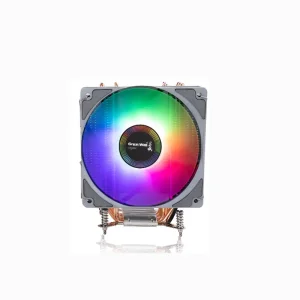
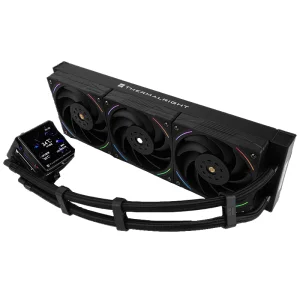
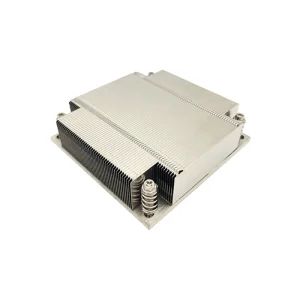
The Russian digital ecosystem is undergoing a major structural transformation. Driven by rapid data localization mandates, sovereign cloud storage regulations, and the explosive growth of regional hyperscalers like Yandex, SberCloud (Cloud.ru), VK, and Rostelecom, Moscow has solidified its position as the primary hub for data center deployments in Eastern Europe and the Eurasian Economic Union (EAEU). The concentrated data center clusters in the Moscow Oblast (e.g., Moscow South and the Special Economic Zone "Technopolis Moscow") host hundreds of thousands of active server racks, operating 24/7/365 under intense thermal and computational demands.
Moscow's continental climate, characterized by freezing winters and surprisingly hot summers, presents a unique operating environment for industrial thermal systems. While local facility engineers extensively leverage "free cooling" (indirect evaporative economizers) during sub-zero months to lower overall Power Usage Effectiveness (PUE), the extreme internal heat density of modern server chassis remains a key challenge. High-density compute configurations running advanced database operations, artificial intelligence (AI) model training, and massive financial transactions generate massive heat fluxes that must be transferred away from the silicon die. When operating within closed server racks where CPUs exceed 300W to 400W TDP, active heat sink components must perform reliably to prevent thermal throttling, structural damage, and costly service outages.
Information Gain Insight: Unlike standard desktop cooling assemblies, industrial server radiators deployed in Moscow's high-density facilities must conform to rigid standards for acoustic limits, air pressure drop across the rack, and material durability against airborne contaminants. They must also meet local regulatory requirements (EAC conformity) and withstand the transport vibrations typical of multi-thousand-mile trans-continental supply chains.
As server density scales upward, the choice between traditional air cooling and emerging direct-to-chip liquid cooling has become a critical engineering decision for Moscow system integrators:
The path toward higher performance per watt has driven CPU manufacturers to pack more cores into a single socket, causing Thermal Design Power (TDP) thresholds to climb steadily. A few years ago, a standard 2U enterprise server operated comfortably with a 150W-205W CPU. Today's architectures—such as the Intel Xeon Scalable Sapphire Rapids / Emerald Rapids (LGA4677), AMD EPYC Genoa / Bergamo (SP5/SP6), and high-power AI accelerators—push past 350W and 400W. This has fundamentally redefined radiator engineering.
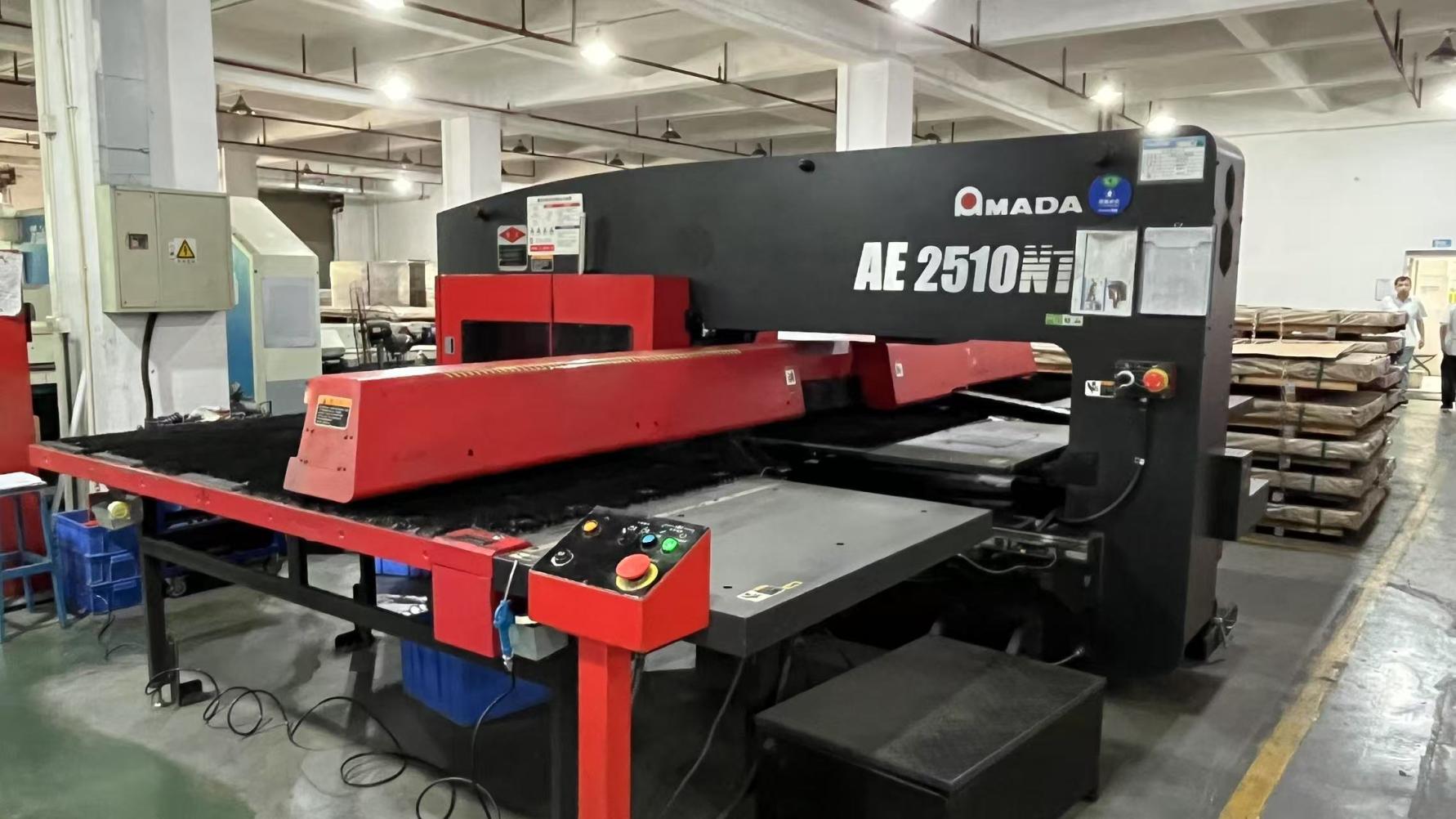
To prevent catastrophic junction temperature spikes, modern server radiator factories utilize advanced mechanical processes:
How advanced manufacturing facilities deliver cost efficiency, strict quality controls, and custom thermal designs for global buyers
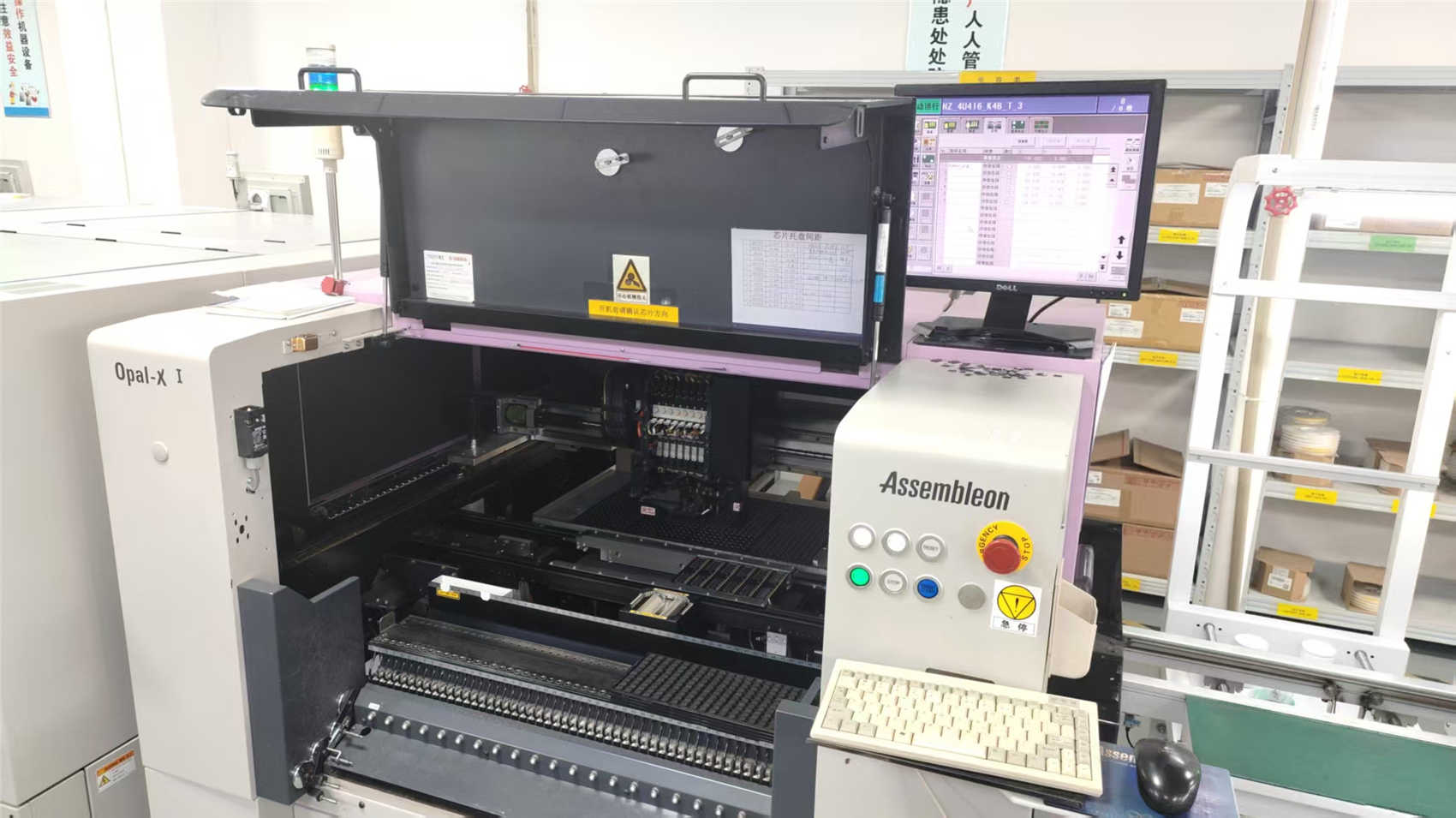
For international procurement managers and Moscow-based server integrators, sourcing from a China-based Industry 4.0 manufacturing facility offers a valuable balance of technical capability, scalability, and cost efficiency. The integration of advanced automation in CNC machining, robotic soldering, and automated optical inspection (AOI) ensures that high-volume production runs match the exact tolerances required for enterprise server environments.
Cynovex Semiconductor Co., Ltd. plays a key role in this integrated high-performance computing ecosystem. While providing advanced memory architectures, our advanced manufacturing capabilities showcase the standards of modern high-tech production. Founded in 2016, Cynovex is a professional manufacturer specializing in high-performance DDR5 memory solutions for industrial, commercial, enterprise, and consumer applications. With a strong focus on innovation, quality, and reliability, Cynovex delivers advanced DRAM products that meet the evolving demands of global customers.
Operating from a modern manufacturing facility covering 18,600 m², the company integrates R&D, production, quality control, and international sales under one roof. Supported by an experienced engineering team and advanced manufacturing processes, Cynovex provides stable, high-speed memory products with consistent performance. Our annual export revenue exceeds USD 28 million, supported by 8 years of international export experience and 10 years of industry expertise. Every product undergoes rigorous quality assurance using 100% functional testing, burn-in testing, compatibility testing, signal integrity testing, and aging tests. A dedicated team of 56 quality inspectors ensures that every shipment meets strict international quality standards.
As an experienced OEM & ODM manufacturer, Cynovex serves customers across North America, Europe, Southeast Asia, the Middle East, South America, and Oceania. We maintain long-term partnerships with more than 1,150 supply chain partners, enabling stable material sourcing and efficient production. Our primary customers include brand owners, distributors, wholesalers, system integrators, industrial equipment manufacturers, and e-commerce retailers. Backed by a strong independent R&D capability, we offer comprehensive customization services, including private labeling, logo printing, packaging customization, firmware optimization, capacity selection, and performance tuning.
In the past year, Cynovex successfully launched 138 new products, supported by a professional R&D team of 94 engineers dedicated to developing next-generation hardware and memory solutions. This combination of memory validation and advanced thermal management design allows us to address the core challenges of system-level reliability in high-density data centers.
To ensure server radiators function continuously without performance loss over a typical 5- to 7-year server lifespan, our partner factories conduct rigorous validation testing:
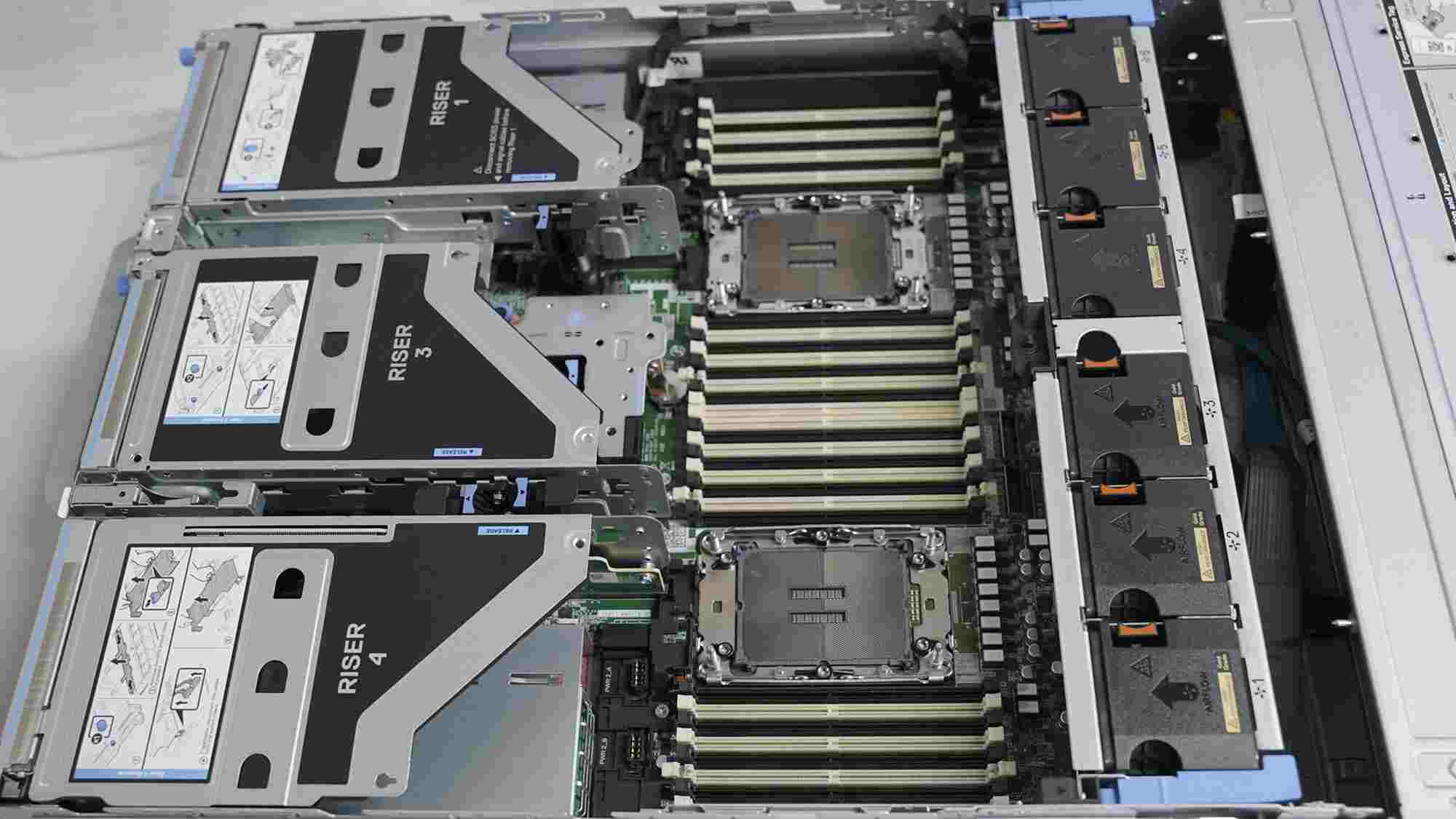
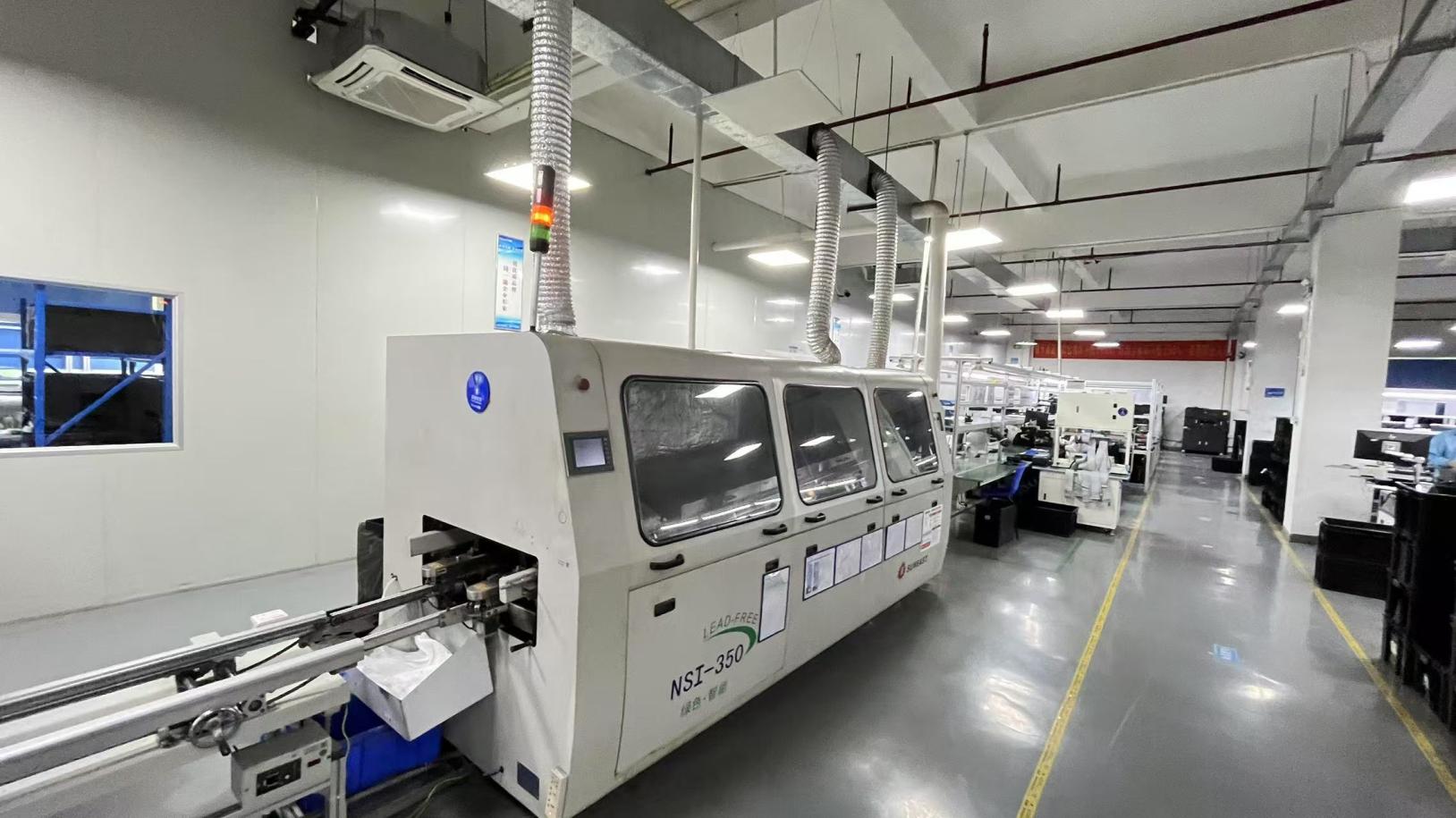

Browse our selection of performance-certified 1U, 2U, and 4U thermal solutions
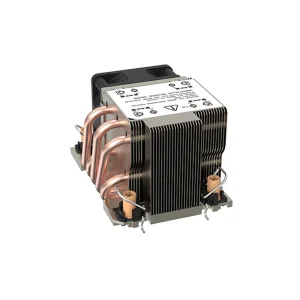
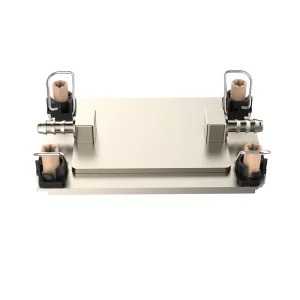
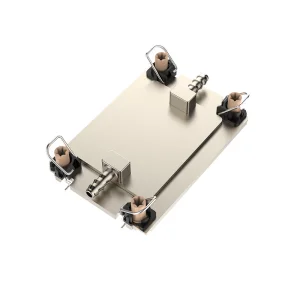
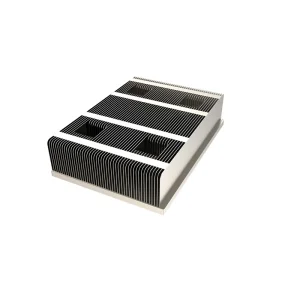
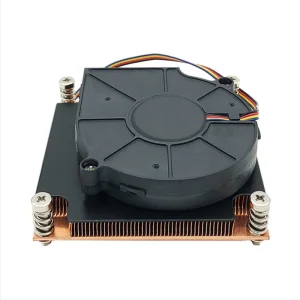
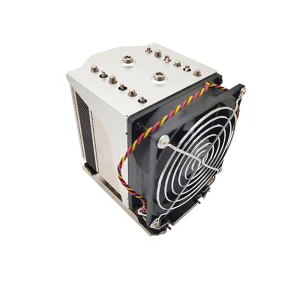
Sourcing server components for deployment within the Russian Federation requires a clear understanding of the specific environment where these systems will operate. Below are four key scenarios where custom server radiators are required:
Hyperscale infrastructure relies on standard designs to optimize rack density and power efficiency. Our 1U/2U passive and active cooling blocks are engineered to fit standard OCP (Open Compute Project) specifications and proprietary blade layouts used by regional operators. High-density aluminum fin-stamping ensures adequate air bypass control while maintaining a minimal pressure drop, allowing the primary data hall fans to run at lower, more efficient speeds.
High-frequency trading (HFT) and secure banking nodes require maximum compute performance with minimal latency. Under continuous computational load, memory chips (DDR5 DRAM) and primary CPUs run hot. Utilizing customized passive copper heatsinks with specialized phase-change Thermal Interface Materials (TIMs) provides thermal stability, helping to prevent computational latency spikes or thermal throttling during peak transaction periods.
Edge nodes deployed in remote locations, industrial warehouses, and mining facilities operate outside of standard temperature-controlled server rooms. These setups require active dust-resistant, hydraulic dual-ball bearing fan-assisted radiators. By utilizing heavy-duty anti-dust fan blades and robust protective coatings on aluminum/copper surfaces, these radiators operate reliably in non-ideal environmental conditions.
Modern machine learning systems require close co-location of high-performance GPUs and CPUs. Standard air cooling is often insufficient in these configurations. Our direct-to-chip copper liquid cold blocks, rated up to 400W and higher, provide the thermal dissipation required for dense compute arrays, helping to maximize GPU core runtimes and accelerate training workloads.
Supply Chain Security and Compliance: We provide full customs paperwork support, including precise HS code classification (typically 8473.30.80.00 or 8473.30.20.00), EAC certification pathways, and shockproof export packaging (reinforced honeycomb cartons with anti-static shielding) to ensure safe arrival at logistics terminals in Moscow or Saint Petersburg.
For system integrators and procurement departments, selecting the right partner involves assessing several key parameters beyond unit price:
Answers to common engineering, customization, and logistics questions from professional hardware procurers
 Cynovex