A comprehensive examination of engineering compliance, factory performance, and optimization paths for modern enterprise hardware buyers.
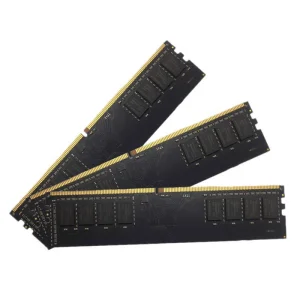
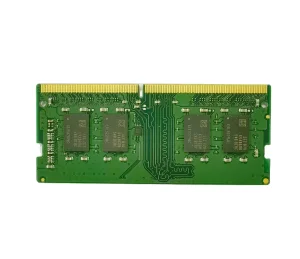
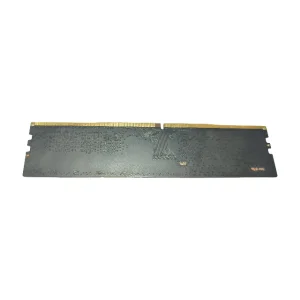
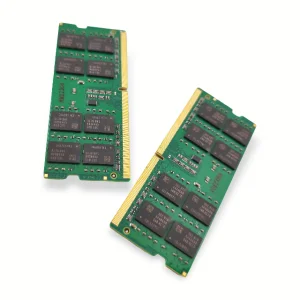
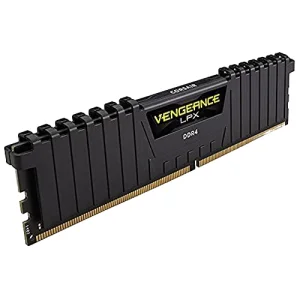
In the rapidly evolving sector of high-performance computing, the integrity of Printed Circuit Board Assemblies (PCBAs) constitutes the baseline of system-level dependability. As cloud architectures scale, server-grade hardware, memory modules (DDR4 and DDR5), motherboard interfaces, and thermal solutions must operate within narrow physical tolerance bands. For international purchasers, particularly those situated in Europe and North America, sourcing CE Certified PCBA is not simply a regulatory check-off; it is a structural validation of electro-magnetic compatibility (EMC), signal integrity, and low-voltage safety.
This document outlines the operational and technological standards of Cynovex Semiconductor Co., Ltd., a manufacturer founded in 2016 that serves as a benchmark for high-precision electronics manufacturing. Through a rigorous examination of engineering standards, manufacturing scale, and quality assurance processes, we demonstrate how advanced design protocols translate directly into optimized hardware yields and long-term operating efficiency in industrial deployments.
Information Gain: Modern enterprise boards running DDR4/DDR5 protocols must manage high-frequency signals with rise times measured in picoseconds. A minor deviation in trace impedance or substrate permittivity can compromise the entire data bus, leading to bit flips and packet dropouts in critical cloud environments.
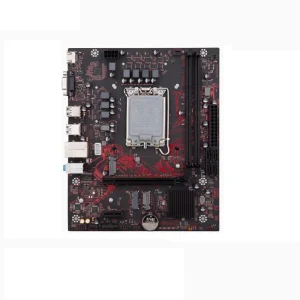
The CE mark signifies that products sold in the European Economic Area (EEA) have been assessed to meet high safety, health, and environmental protection requirements. For complex assemblies containing integrated circuits, such as H610 motherboards, B760M gaming platforms, and high-density DDR4 memory strips, compliance relies on three primary directives:
Cynovex Semiconductor implements these directives starting at the schematic design phase. Our engineering team utilizes advanced software simulations to model thermal dissipation vectors and electromagnetic fields. This guarantees that trace routing and component layout inherently minimize parasitic capacitance and crosstalk prior to the production phase.
Analyzing how Chinese production infrastructure and optimized component logistics reduce time-to-market without compromising signal integrity.
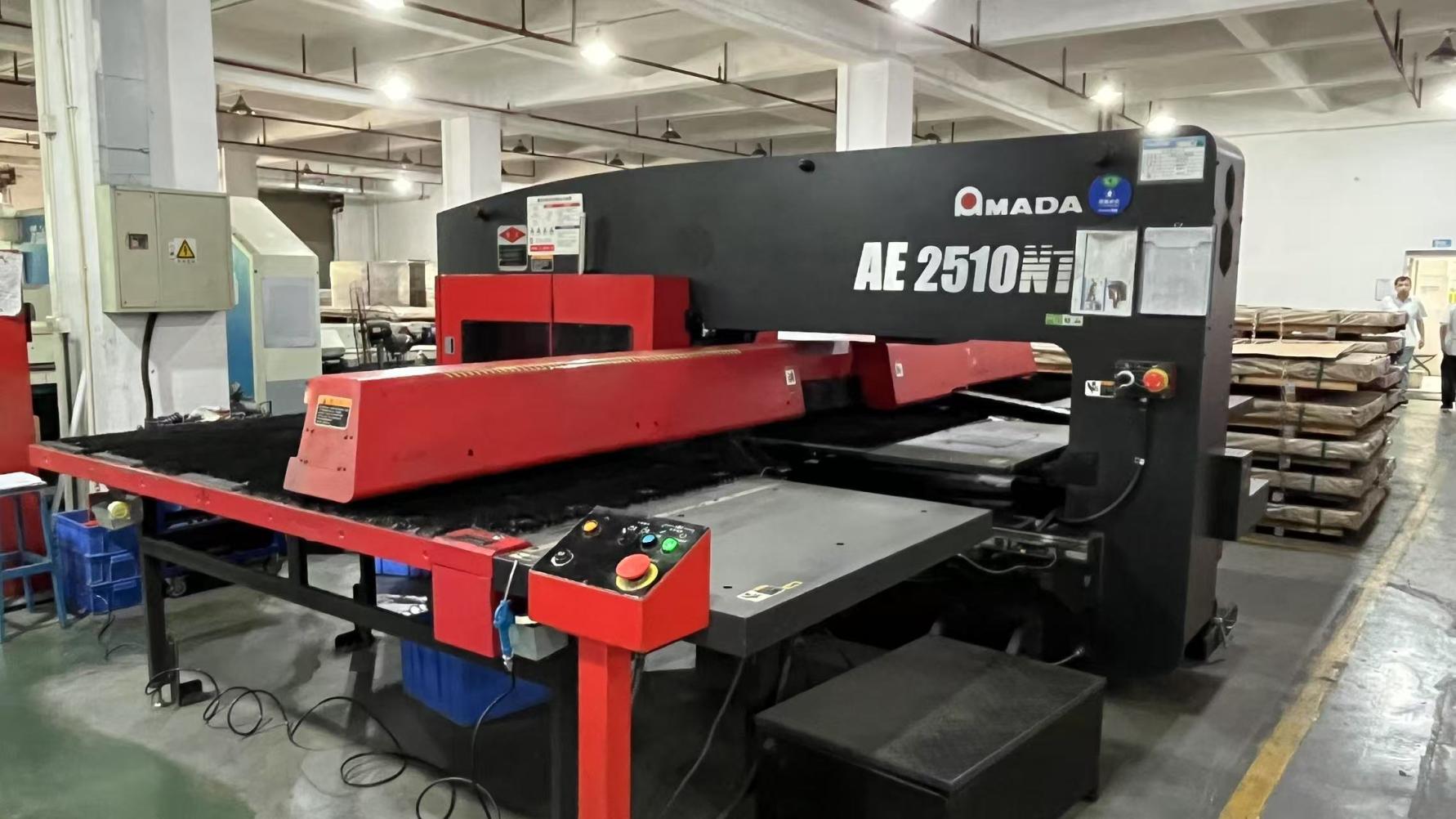
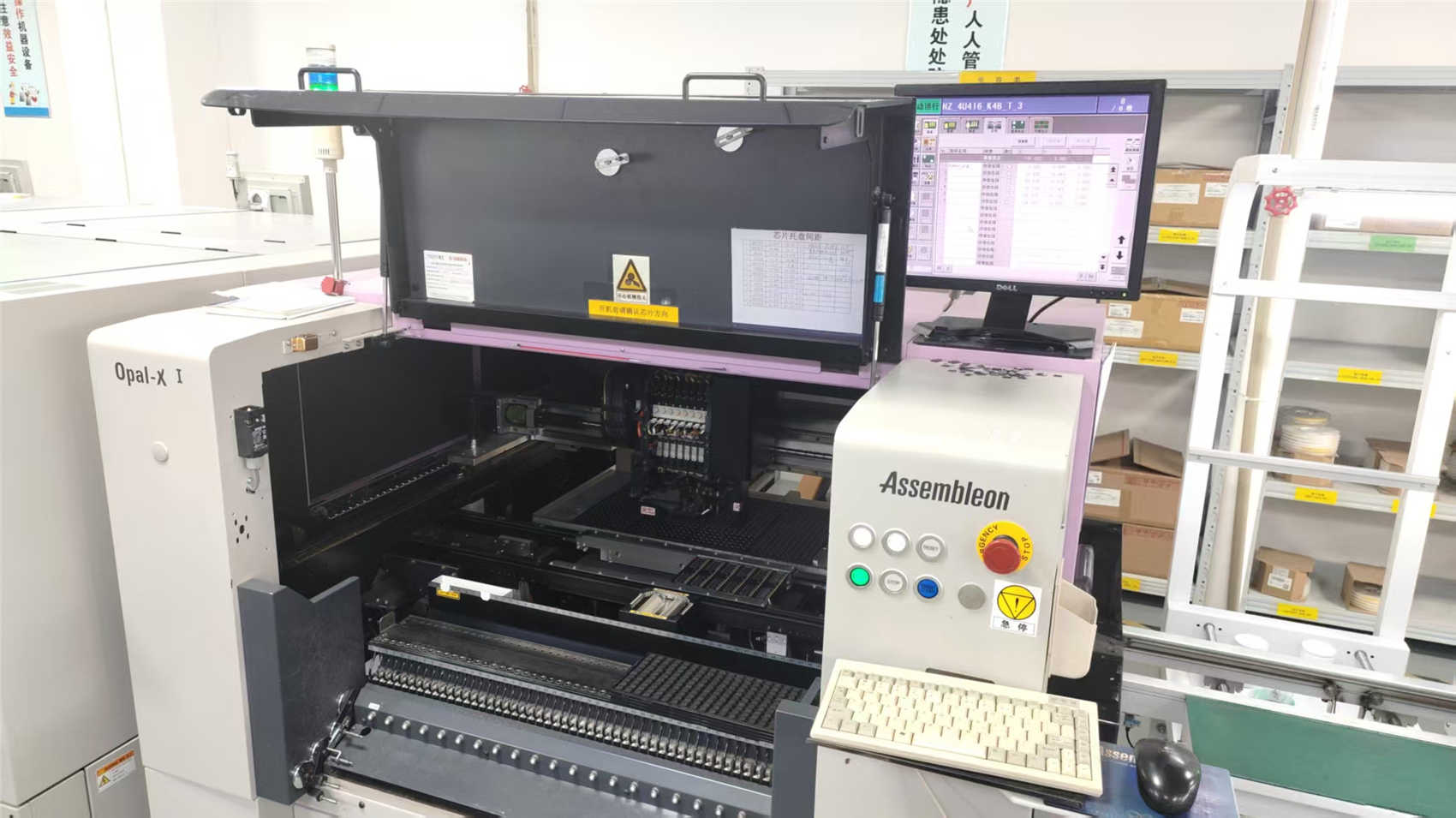
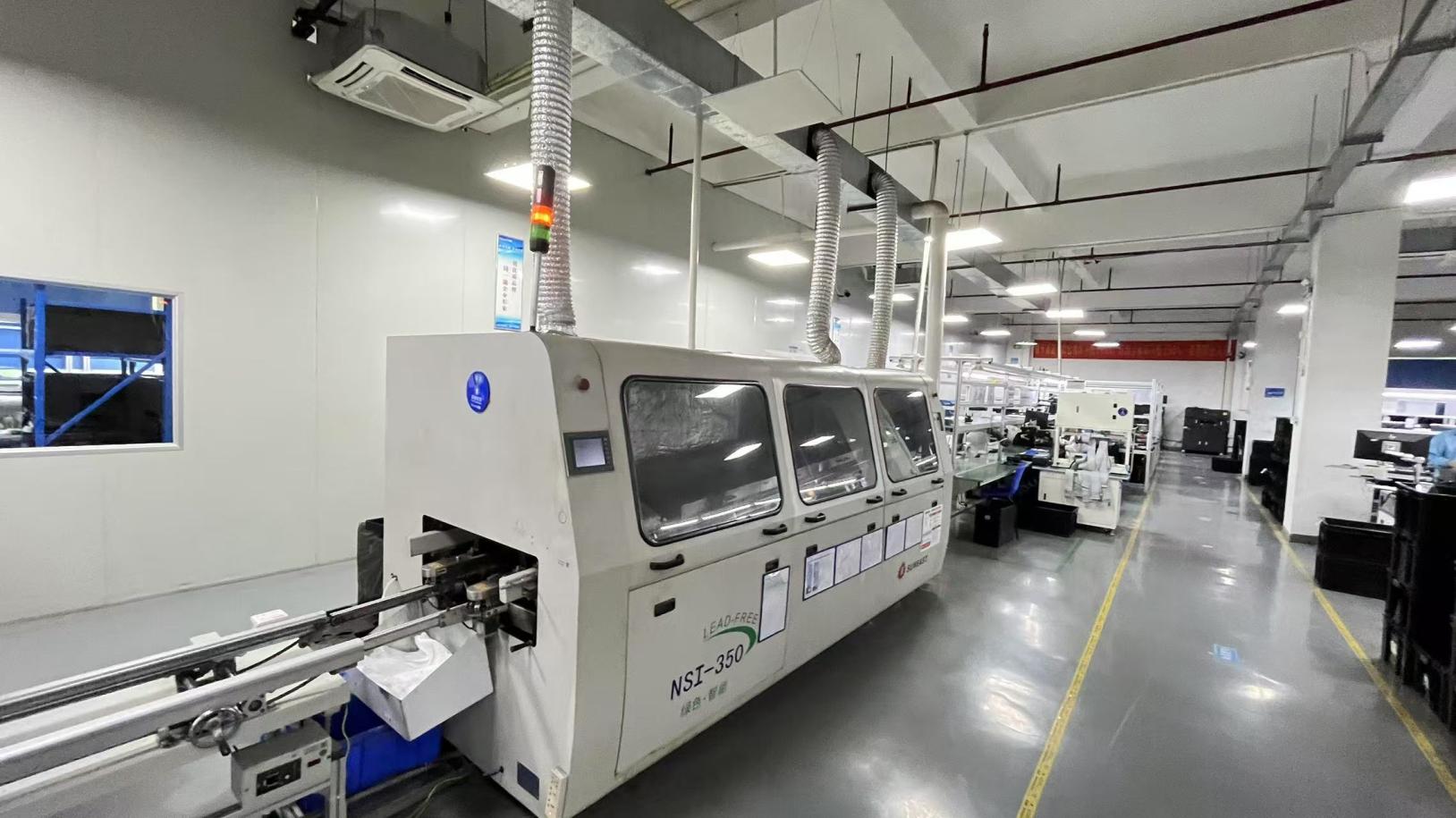
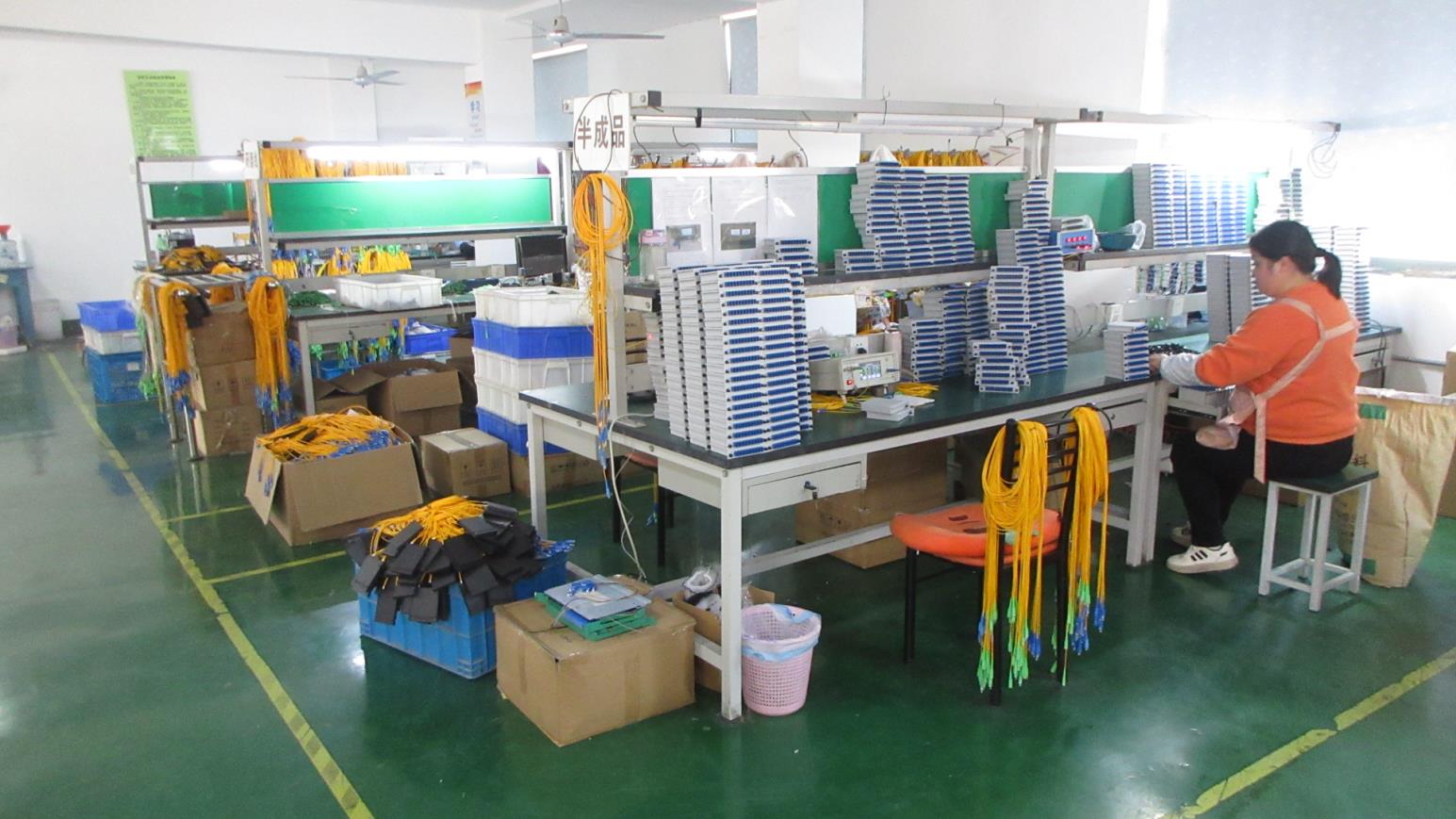
Managing over 1,150 supply chain partners gives Cynovex a distinct advantage in raw material procurement. In an era of component allocation and logistics disruptions, our strategic buffer stock of key semiconductor components (such as memory registers, PMICs, high-quality multi-layer ceramic capacitors, and copper-clad laminates) ensures continuous production schedules.
Our sourcing framework relies on a multi-stage incoming quality control (IQC) protocol. All passive elements, active integrated circuits, and PCB raw laminates undergo x-ray fluorescence (XRF) material testing to verify compliance with RoHS directives, as well as mechanical checks to identify any micro-cracking or pad oxidization.
Industrial and server hardware deployments are rarely standardized. Differences in chassis airflow, power supply noise, and physical space require custom solutions. Cynovex provides ODM customization, including:
Inside the testing protocols that guarantee zero-defect shipments for enterprise and industrial infrastructure.
To maintain high reliability, Cynovex employs 56 quality inspectors who oversee every phase of production. Every production batch of memory modules, motherboards, and PCBA components goes through a standardized five-tier testing protocol:
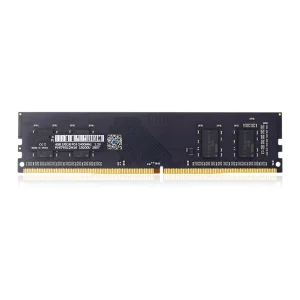
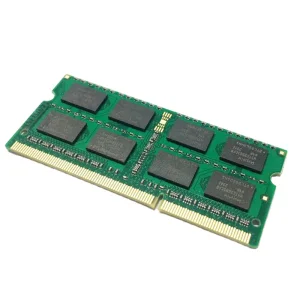
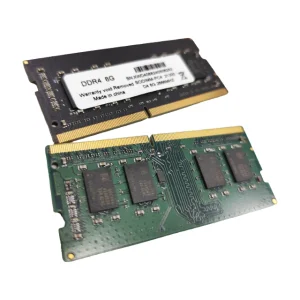
By performing these validations, we ensure that DDR4 and DDR5 memory modules display stable timing diagrams under continuous processing stress. This helps reduce field failures and lowers total cost of ownership (TCO) for data centers and enterprise customers.
How Cynovex PCBA and memory configurations integrate into specialized industrial and commercial environments.
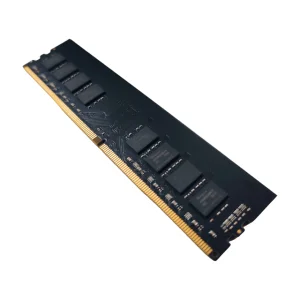
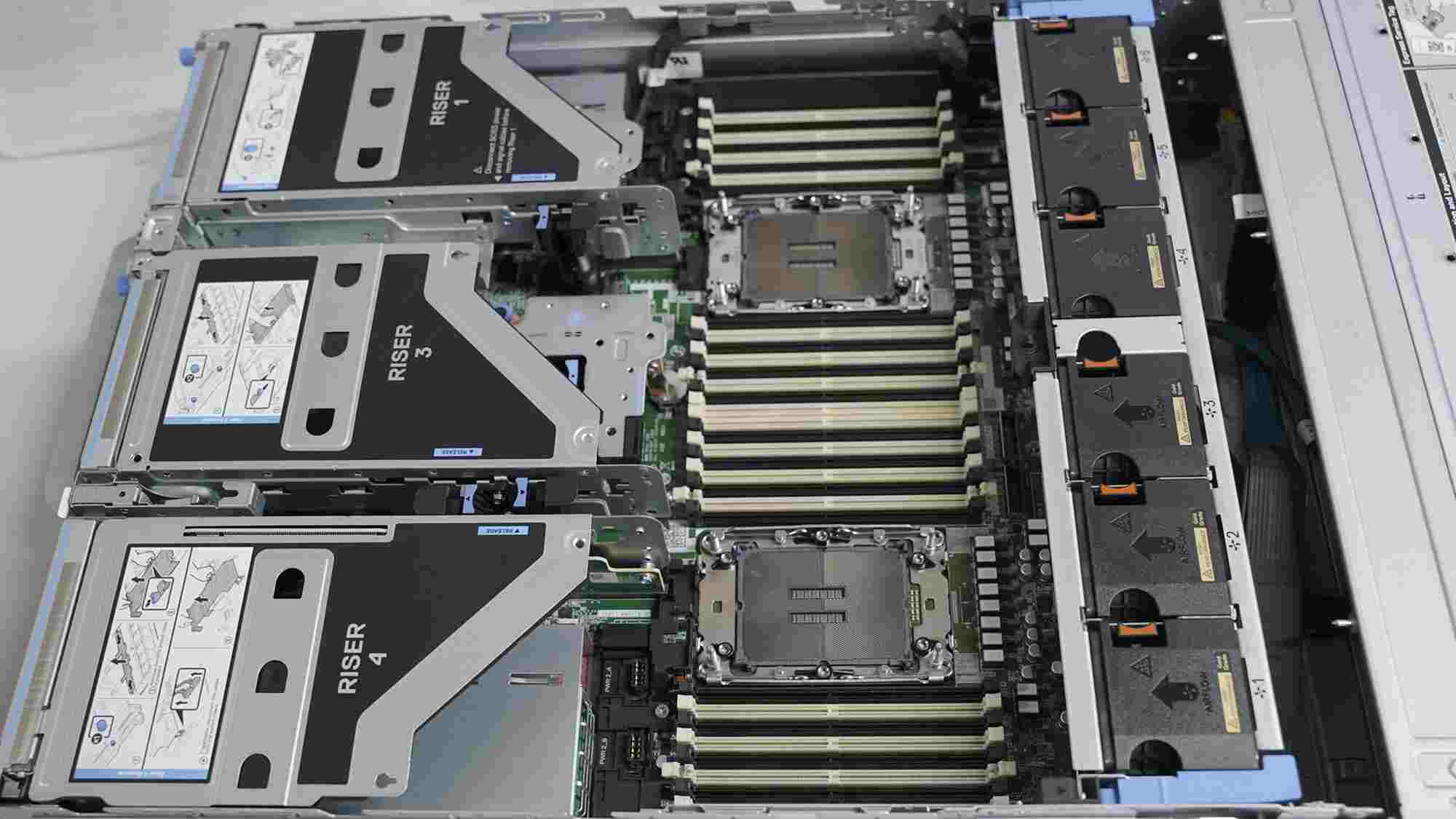
The growing demand for high-speed memory is driven by data-intensive applications like artificial intelligence, big data analytics, and high-frequency trading. The transition from DDR4 to DDR5 is underway, bringing lower operating voltages (down to 1.1V from DDR4's 1.2V) and onboard Power Management ICs (PMICs). This shift transfers power management duties from the motherboard directly to the memory module, requiring tighter PCBA tolerances and improved trace designs to prevent voltage ripple.
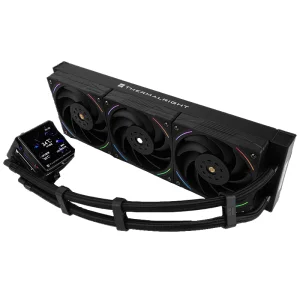
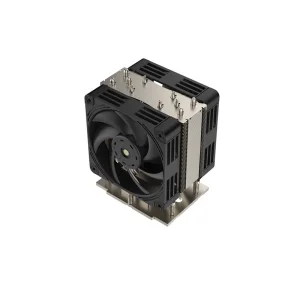
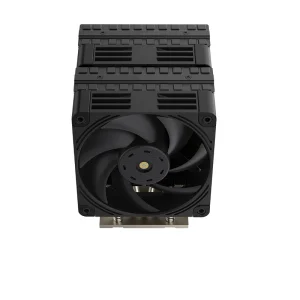
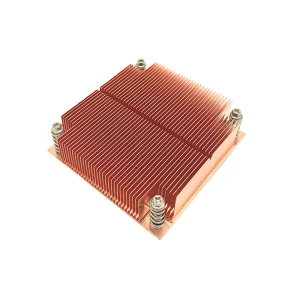
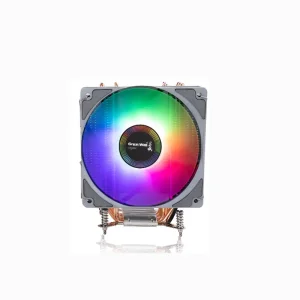
Additionally, modern processors generate significant heat, making effective thermal management essential. High-performance air coolers with copper heat pipes and hydraulic bearing fans are increasingly used in servers to help lower operational temperatures and extend the lifespan of surrounding PCBA components.
Addressing the common questions raised by engineering teams and global procurement directors.
 Cynovex