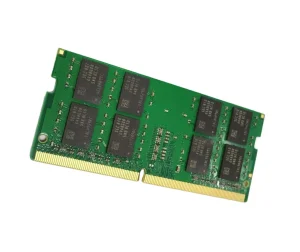
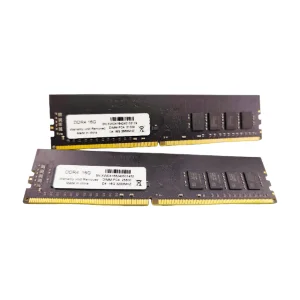
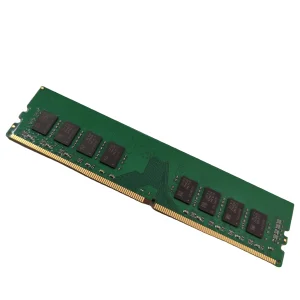
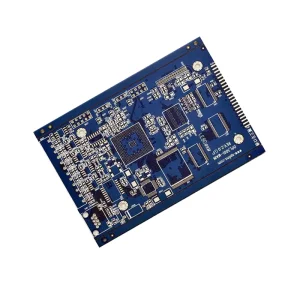
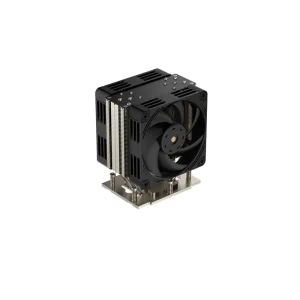
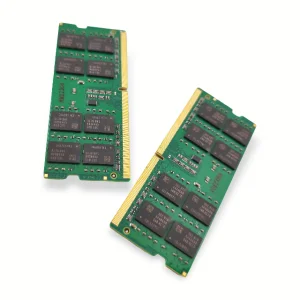
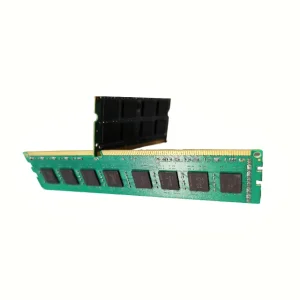
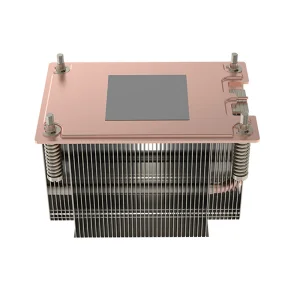
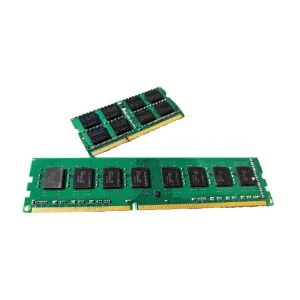
Explore our catalog of core industrial system boards, memory solutions, and high-performance cooling equipment designed to support medical-grade computing and automated UVC modules.
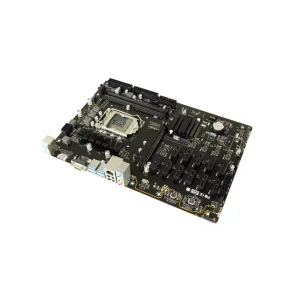
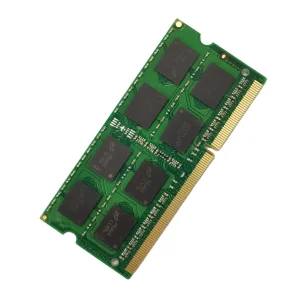
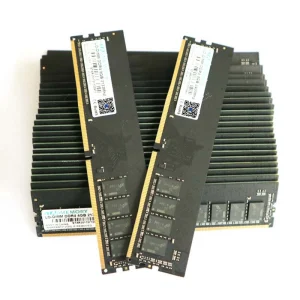
The global disinfection landscape has transitioned rapidly from chemical-based sterilizers and low-pressure mercury lamps to high-efficiency, solid-state UVC LED Disinfection Modules. This paradigm shift is driven by international environmental mandates (such as the Minamata Convention on Mercury), the rising demand for non-chemical surface pathogen control, and the integration of autonomous sterilization systems inside industrial settings.
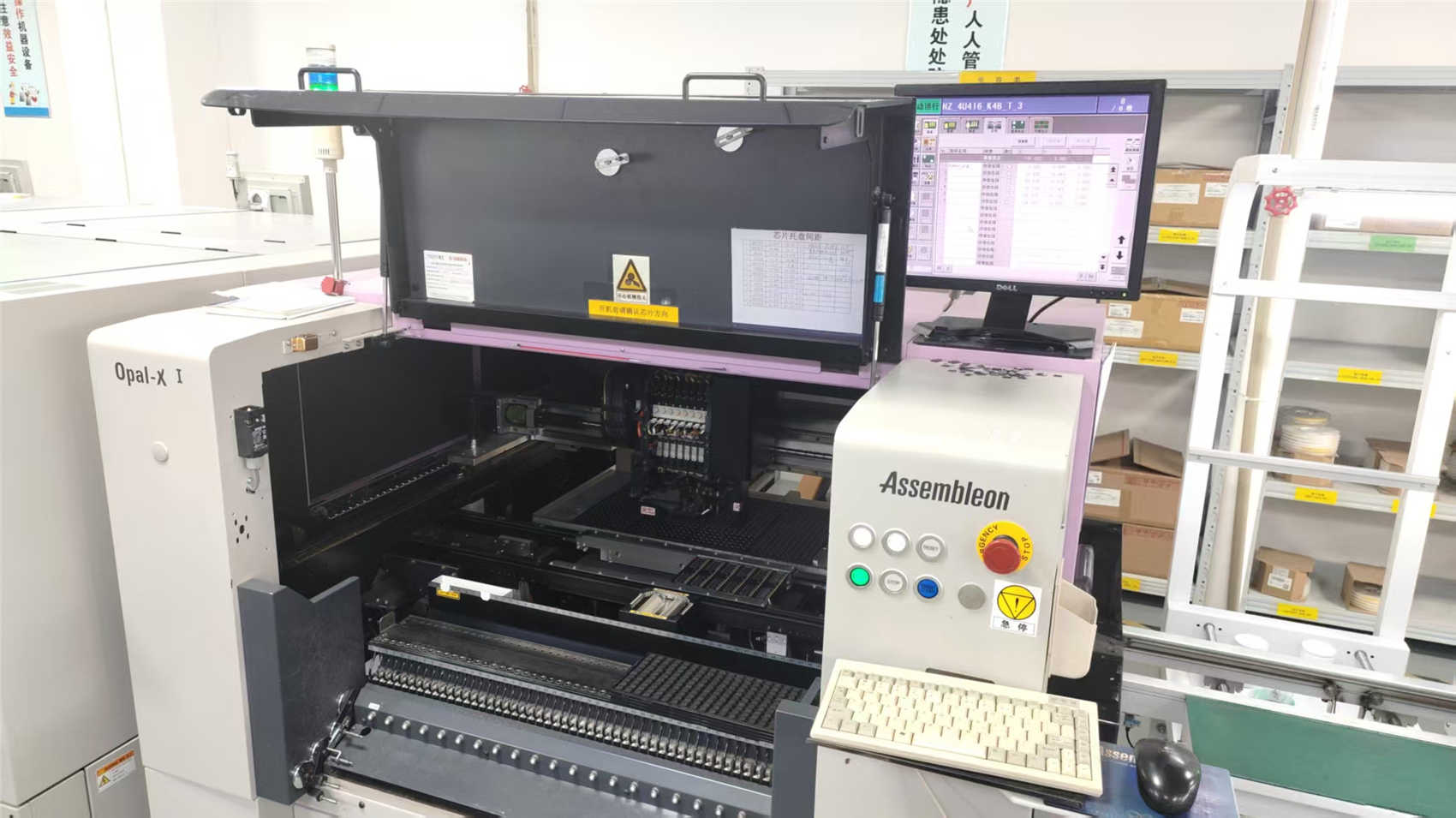
As a leading supplier of advanced electronics, SMT assemblies, and thermal management modules, Cynovex Semiconductor Co., Ltd. addresses the most critical engineering hurdles of UVC LED implementation: maximizing optical output power (irradiance), ensuring system-level thermal dissipation, and maintaining cost-effective manufacturing pipelines. Our expertise in memory architectures and high-density PCB processing delivers unmatched operational consistency for industrial sterilization control boards.
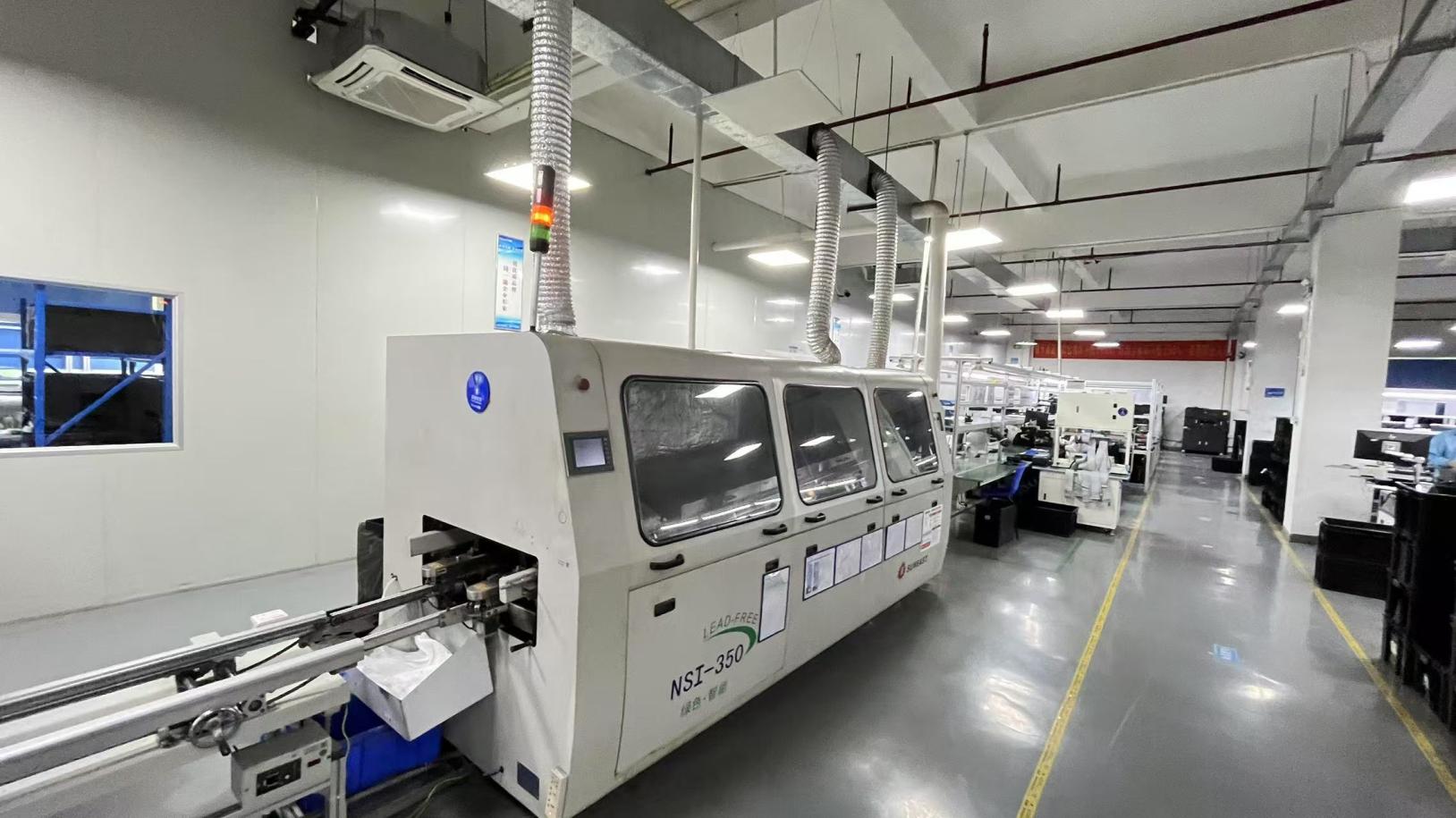
Unlike traditional visible light LEDs, UVC LEDs (operating in the 260nm to 280nm germicidal range) convert only 2% to 5% of energy into light, while the remaining 95% is generated as heat. Professional thermal and optical engineering is non-negotiable for system longevity.
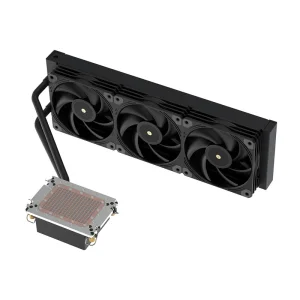
Continuous operation at high junction temperatures drastically diminishes UVC chip life. Our design integrates LGA4677 Server Heat Sinks and custom copper-clad Metal Core PCBs (MCPCBs) with advanced thermal interface materials (TIM). This ensures the thermal path maintains a low junction-to-ambient resistance ($R_{\theta JC} < 5 \text{ K/W}$), preventing wavelength shift and optical decay.
Proper electrical drive design is critical to avoid current spikes. Cynovex’s high-precision SMT PCBA assembly supports constant-current drivers with pulse-width modulation (PWM) inputs, allowing programmatic dimming and sensor integration (e.g., radar movement detection for human-present safety shutdowns).
We execute detailed ray-tracing simulations to optimize the emission angle using custom quartz glass or high-purity aluminum reflectors. Standard plastic lenses solarize and degrade rapidly under UVC exposure; our optical modules utilize pure-quartz components to achieve maximum $D99$ germicidal dosage distribution.
Refer to the design matrix below for engineering and custom deployment parameters.
| Parameter / Specification | Industrial Flow Modules | Surface Sterilization Arrays | Custom PCBA Drivers |
|---|---|---|---|
| Peak Wavelength | 265nm – 275nm (UVC) | 275nm & 222nm (Far-UVC) | Dual-channel output control |
| Input Voltage | 24V DC / 48V DC | 12V DC / 24V DC | Universal 110-240V AC to DC options |
| Thermal Substrate | Super-conductive copper MCPCB | Aluminum PCB with active cooling | FR4 high Tg multi-layer boards |
| Optical Output ($P_o$) | 120 mW – 1500 mW per module | Up to 5000 mW customized arrays | Efficiency optimized >92% |
| Lifespan ($L_{70}$) | >15,000 Hours (Active cooling) | >10,000 Hours (Passive cooling) | Designed for continuous 24/7 runtimes |
| Safety Mechanisms | Flow-rate sensor feedback | PIR human presence radar integration | Over-temperature auto-dimming |
UVC disinfection technology is successfully deployed across various localized configurations to meet regional hygiene, air quality, and clean water mandates.
Integrated UVC flow-cell modules are fitted directly into the point-of-use (POU) and point-of-entry (POE) water filtration lines. Utilizing instant-on capabilities, these modules sterilize running water without the need for storage tanks, completely eliminating pathogens like Cryptosporidium and Giardia which are highly resistant to chemical chlorine treatment.
Installed directly into building ventilation ducts and heat-exchange systems, massive high-power UVC arrays continuously disinfect recirculated air. This reduces airborne viruses and stops mold buildup on AC cooling coils, improving indoor air quality (IAQ) and reducing commercial heating/cooling energy costs.
Modern hospitals, distribution warehouses, and cleanrooms utilize automated guided vehicles (AGVs) equipped with heavy-duty UVC light modules. These robots scan rooms during off-hours, providing documented, uniform UV radiation ($mJ/cm^2$) across all surfaces, ensuring high-throughput sterilizations without human risk.
To qualify as a trusted supplier of medical and industrial equipment, a manufacturer must adhere to strict international standards. Cynovex's production processes ensure all UVC modules and PCBA boards meet regulatory guidelines. Our factory operates under ISO 9001:2015 and ISO 14001 certification frameworks.
We work directly with certified laboratories to ensure our disinfection modules are compliant with CE, RoHS, FCC, and EPA (Environmental Protection Agency) registration standards. Furthermore, because high-intensity UVC radiation poses hazard risks to human eyes and skin, our customized systems include standard hardware safety loops, motion sensors, and firmware delay timers programmed on-chip during assembly.
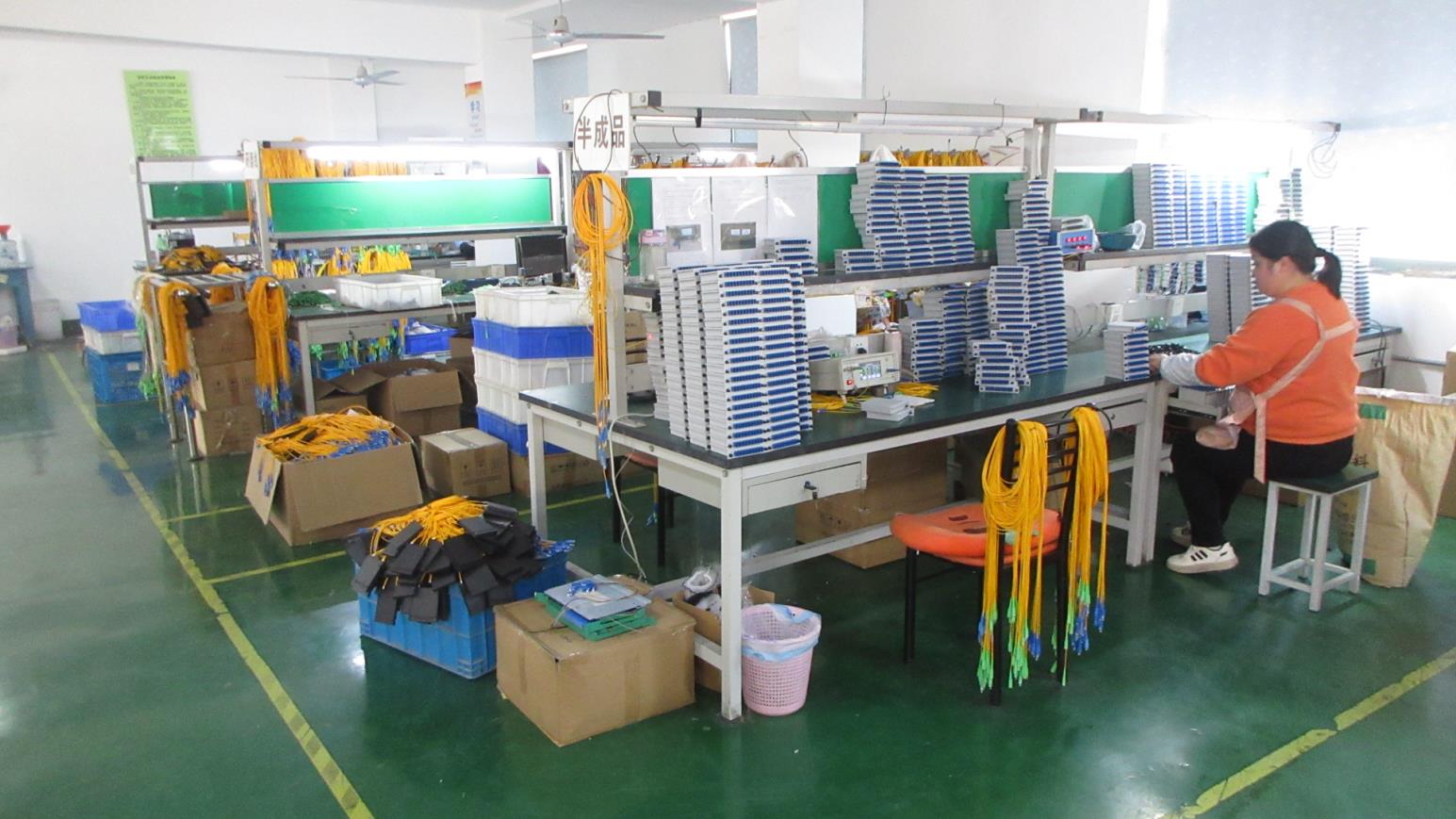
Founded in 2016, Cynovex Semiconductor Co., Ltd. is a professional manufacturer specializing in high-performance DDR5 memory solutions for industrial, commercial, enterprise, and consumer applications. With a strong focus on innovation, quality, and reliability, Cynovex delivers advanced DRAM products that meet the evolving demands of global customers.
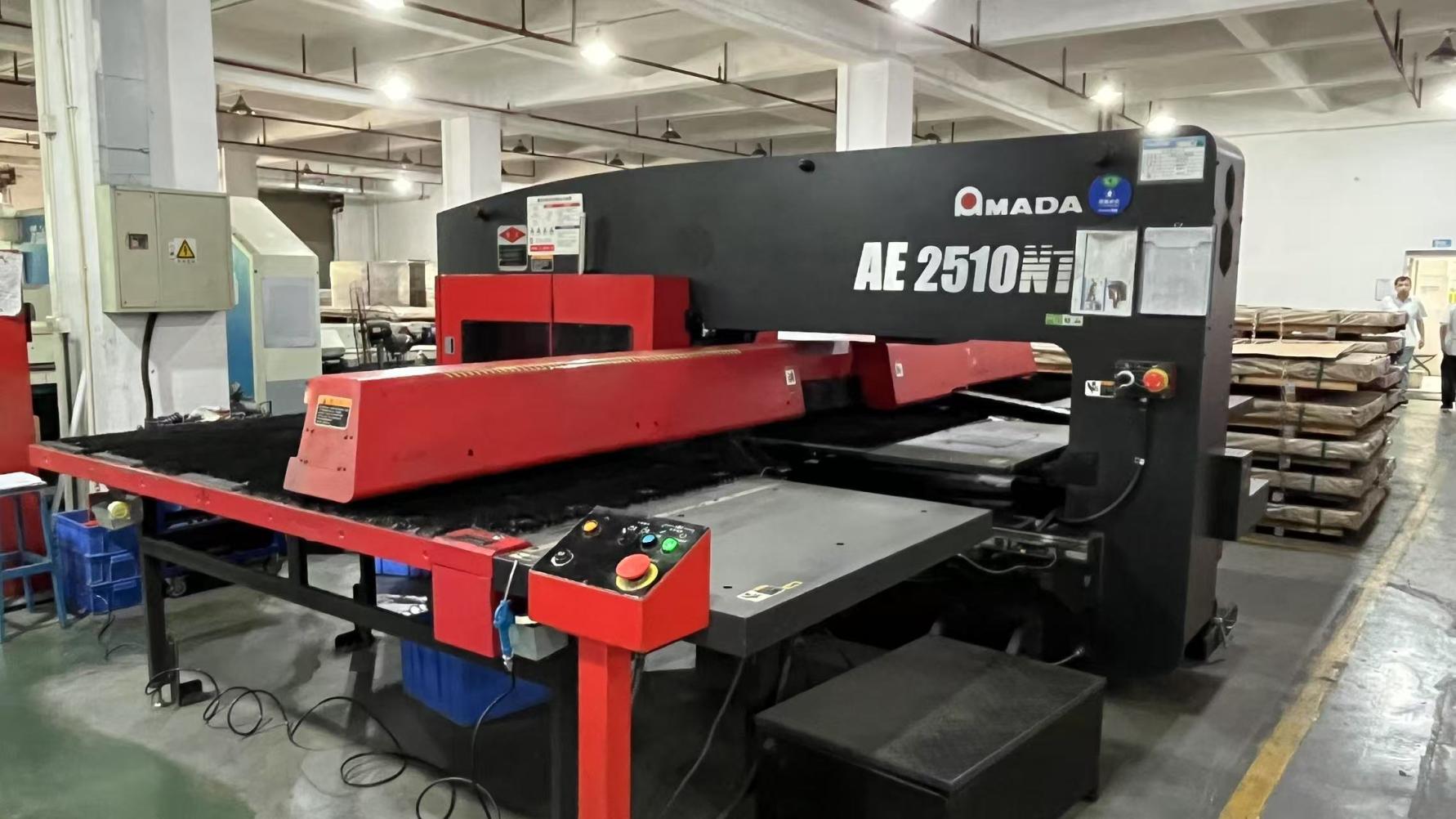
Operating from a modern manufacturing facility covering 18,600 m², the company integrates R&D, production, quality control, and international sales under one roof. Supported by an experienced engineering team and advanced manufacturing processes, Cynovex provides stable, high-speed memory products with consistent performance.
Our annual export revenue exceeds USD 28 million, supported by 8 years of international export experience and 10 years of industry expertise. Every product undergoes rigorous quality assurance using 100% functional testing, burn-in testing, compatibility testing, signal integrity testing, and aging tests. A dedicated team of 56 quality inspectors ensures that every shipment meets strict international quality standards.
As an experienced OEM & ODM manufacturer, Cynovex serves customers across North America, Europe, Southeast Asia, the Middle East, South America, and Oceania. We maintain long-term partnerships with more than 1,150 supply chain partners, enabling stable material sourcing and efficient production.
Our primary customers include brand owners, distributors, wholesalers, system integrators, industrial equipment manufacturers, and e-commerce retailers. Backed by a strong independent R&D capability, we offer comprehensive customization services, including private labeling, logo printing, packaging customization, firmware optimization, capacity selection, and performance tuning. In the past year, Cynovex successfully launched 138 new products, supported by a professional R&D team of 94 engineers dedicated to developing next-generation memory and PCB assemblies.
Our comprehensive testing matrix includes:
The sterilization industry is steadily evolving toward higher power density and safer wavelengths. We track several key technology trends to keep our clients ahead of the curve.
By using aluminum gallium nitride (AlGaN) semiconductor layers with lower defect densities, developers are targeting WPE values above 10% in the near future. This directly translates into lower operating temperatures, smaller heatsinks, and compact modules.
Far-UVC light at 222nm can destroy pathogens without penetrating the outer layer of human skin or eyes. We are currently developing custom PCBA drivers with rapid high-voltage startup controls to support excimer lamps and next-generation 222nm LED emitters.
Modern UVC modules are equipped with digital communication protocols (UART, I2C, Modbus). This allows integration with smart building networks, reporting runtime diagnostics, real-time optical irradiance loss, and preventative maintenance schedules.
Deep dive technical queries regarding UVC disinfection system integration and manufacturing specs.
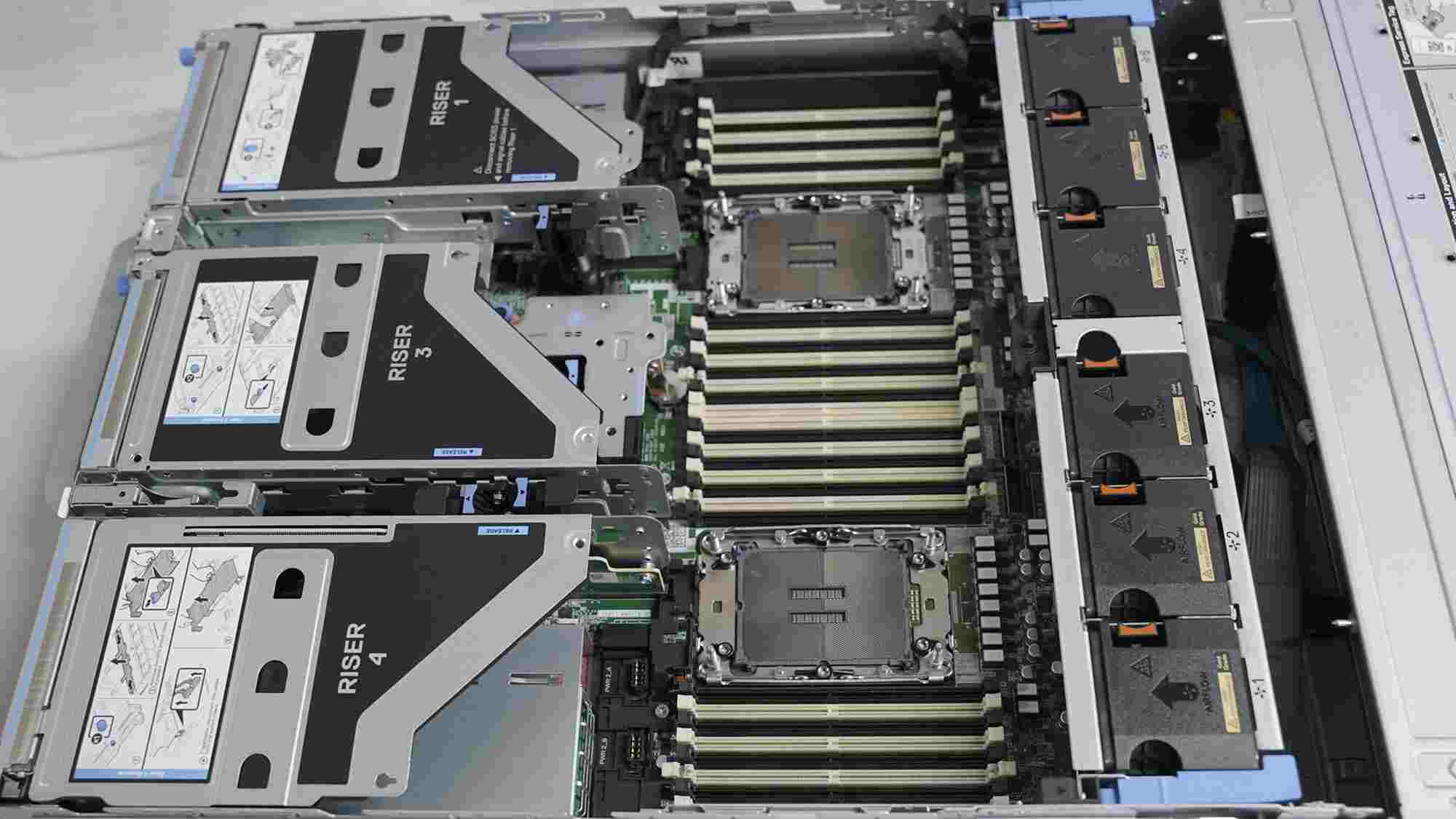
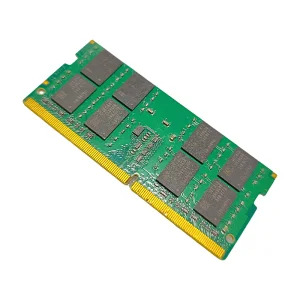
Select from our enterprise and industrial memory modules, system boards, and CPU heatsinks constructed for medical and cleanroom servers.
 Cynovex