The digitalization of Mozambique’s infrastructure—anchored by deep-water corridors in Maputo, Beira, and Nacala—is experiencing rapid growth. Telecommunications hubs, carrier-neutral colocation data centers, and local edge computing units are expanding to handle financial transactions, LNG gas fields, and governmental cloud computing. However, Mozambique's unique sub-Saharan climate presents significant thermal challenges.
With relative coastal humidity regularly exceeding 85% and ambient dry-bulb temperatures spiking to 40°C during the wet season, standard off-the-shelf radiators face rapid degradation. Salt spray in coastal markets induces galvanic corrosion on unprotected server cooling modules, leading to localized hotspot anomalies and premature component failure. Enterprise infrastructure in Mozambique requires robust, specifically coated, and architecturally optimized server heat sinks to maintain targeted Power Usage Effectiveness (PUE) ratios.
Thermal solutions in Southern Africa cannot rely solely on dry-bulb calculations. Heat pipe sintering density, fin pitch design, and surface electroplating (such as electrophoretic black coating or nickel plating) must be modified to prevent salt-air degradation while optimizing heat transfer coefficients.
As CPU cores multiply and AI accelerators expand, global server platforms are moving from traditional air-cooled towers to high-efficiency liquid micro-channels.
Current generation Intel Xeon Scalable (LGA4677) and AMD EPYC (SP5/SP6) processors regularly generate Thermal Design Power (TDP) ranges of 300W to 400W. Managing this on a 1U or 2U platform requires advanced fin configurations and high-purity copper sintered heat pipes.
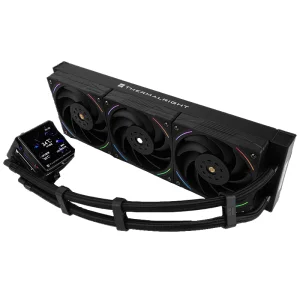
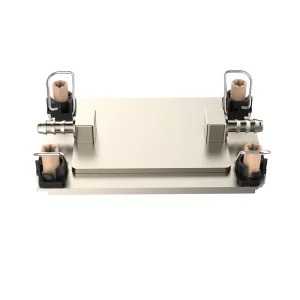
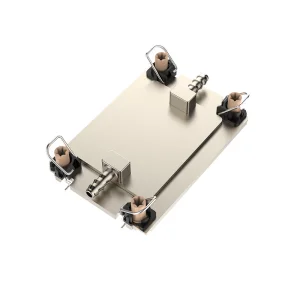
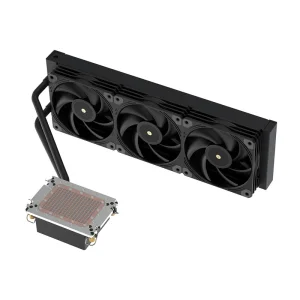
Direct-to-Chip (D2C) liquid cooling blocks with micro-channel structures are replacing pure air blocks in premium African telecom installations. They optimize heat transfer loops, bypass local ambient temperature limits, and reduce secondary fan power consumption.
In developing markets like Mozambique, servers are deployed in less-than-ideal environments. Dust-sealed industrial radiators, copper-based blocks, and corrosion-resistant alloys are critical to preventing system failures.
| Thermal Block Archetype | Optimal Socket Deployments | Thermal Capacity (TDP) | Best Suited Mozambique Scenarios | Galvanic Corrosion Resilience |
|---|---|---|---|---|
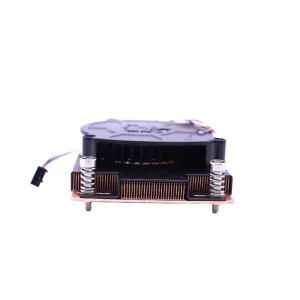
| Nickel-Plated Copper Air Blocks | LGA115X, LGA1700, 1U Server cases | 95W - 220W | Edge micro-datacenter racks in Maputo suburbs | High (Plating shields the base copper) |
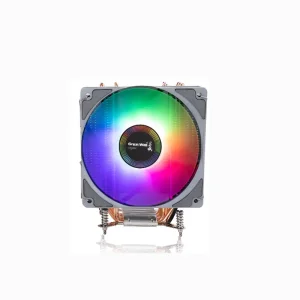
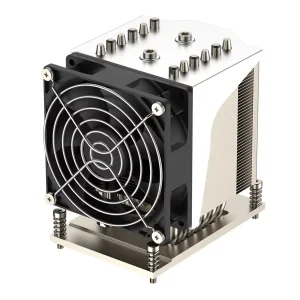
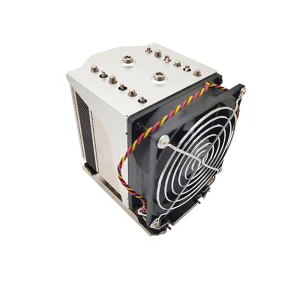
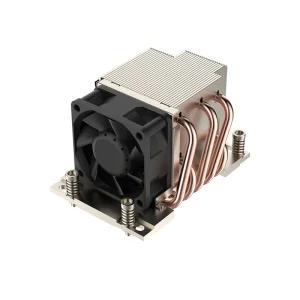
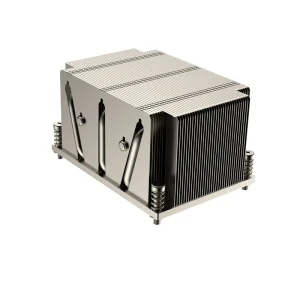
| Multi-Heatpipe 2U/4U Sintered Radiators | LGA4926, LGA4189, AMD SP3 | 300W - 350W | Regional telecom hub enclosures & remote mining sites | Medium (Requires clean ambient air filters) |
| Direct-to-Chip Water Blocks | LGA4677, High-density compute racks | 400W+ | Hyperscale installations & central cloud data banks | Excellent (Closed loop fluid circulation) |
Founded in 2016, Cynovex Semiconductor Co., Ltd. is a professional manufacturer specializing in high-performance DDR5 memory solutions for industrial, commercial, enterprise, and consumer applications. In the modern datacenter ecosystem, memory speeds and processor heat dissipation are linked. A system is only as fast as its thermal ceiling allows.
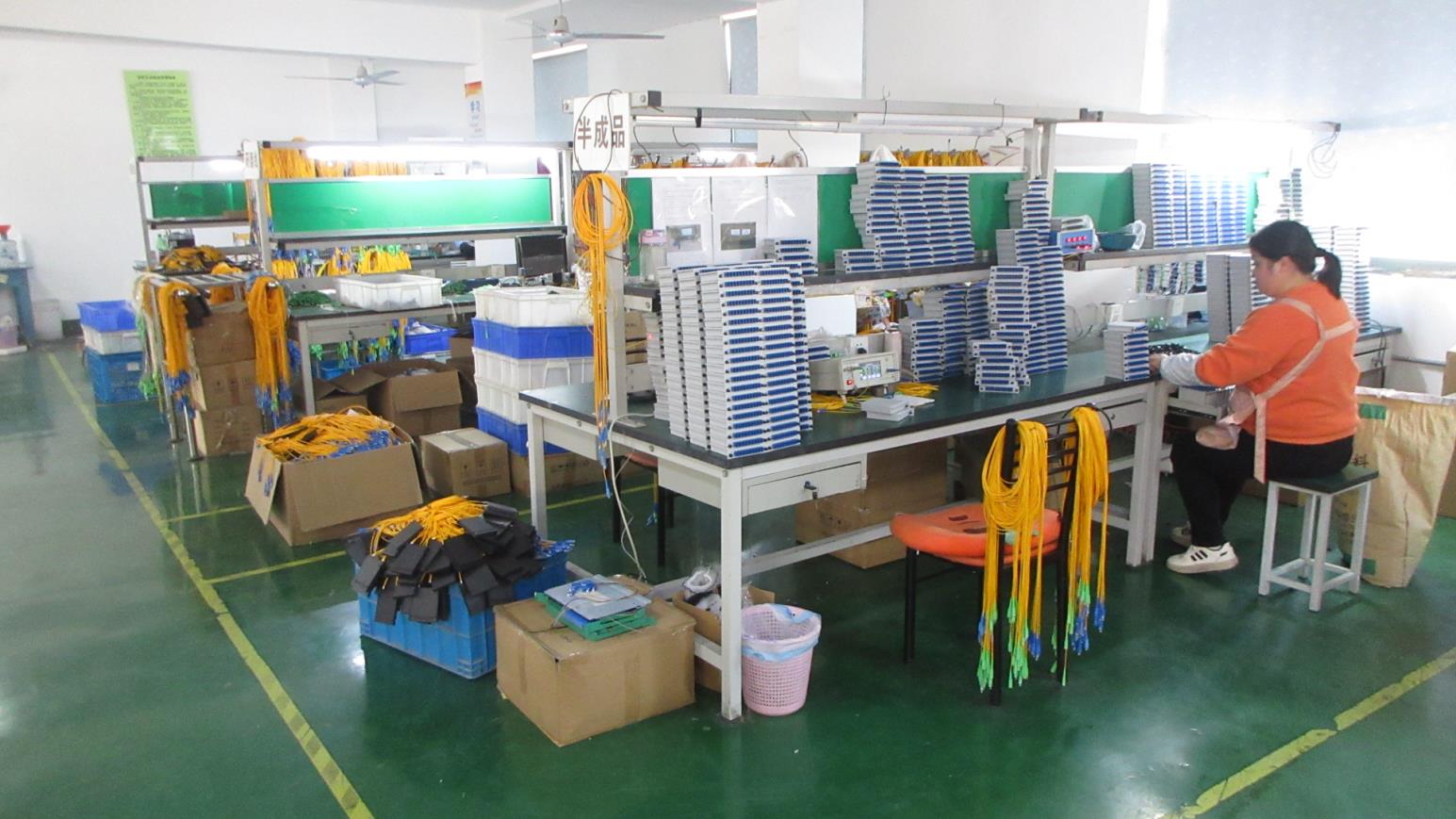
Operating from a modern manufacturing facility covering 18,600 m², the company integrates R&D, production, quality control, and international sales under one roof. Supported by an experienced engineering team and advanced manufacturing processes, Cynovex delivers stable, high-speed memory products and works closely with elite thermal accessory manufacturers to ensure comprehensive system compatibility.
Our annual export revenue exceeds USD 28 million, supported by 8 years of international export experience and 10 years of industry expertise. Every product undergoes rigorous quality assurance using 100% functional testing, burn-in testing, compatibility testing, signal integrity testing, and aging tests. A dedicated team of 56 quality inspectors ensures that every shipment meets strict international quality standards.
As an experienced OEM & ODM manufacturer, Cynovex serves customers across North America, Europe, Southeast Asia, the Middle East, South America, and Oceania. We maintain long-term partnerships with more than 1,150 supply chain partners, enabling stable material sourcing and efficient production.
Our primary customers include brand owners, distributors, wholesalers, system integrators, industrial equipment manufacturers, and e-commerce retailers. Backed by a strong independent R&D capability, we offer comprehensive customization services, including private labeling, logo printing, packaging customization, firmware optimization, capacity selection, and performance tuning.
In the past year, Cynovex successfully launched 138 new products, supported by a professional R&D team of 94 engineers dedicated to developing next-generation high-reliability DDR5 memory solutions and system-level thermal dissipation architectures.


When acquiring cooling components for Mozambique's telecom grid and institutional server racks, standard datasheets can be misleading. Use this verification protocol to ensure long-term stability:
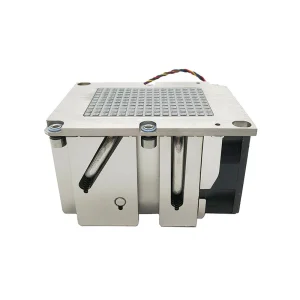
Sintered powder heat pipes operate independently of gravity or orientation. They are ideal for space-constrained 1U/2U horizontal blades deployed in remote telecommunications setups across Nampula or Sofala.
Due to high ambient temperatures, fans must maintain high CFM (Cubic Feet per Minute) flow without exceeding acoustic thresholds. Double-ball bearings ensure dust resistance in dry inland regions.
Insist on verified CE, FCC, and RoHS certificates. This guarantees that copper purity matches sub-millimeter tolerances, reducing thermal resistance values under peak workloads.
Copper purity directly dictates thermal conductivity (typically ~401 W/m·K). Lower grade copper alloys containing impurities restrict heat dissipation, causing the CPU to downclock under thermal pressure. Furthermore, pure nickel-plated copper resists electrochemical corrosion, which is common in humid coastal regions like Beira and Maputo.
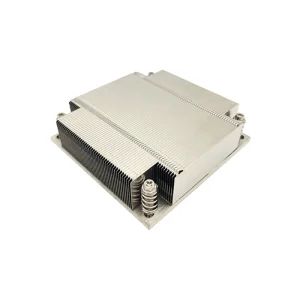
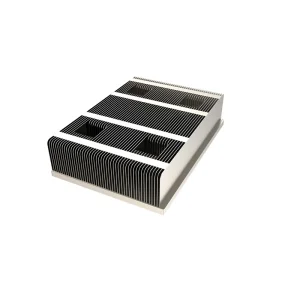
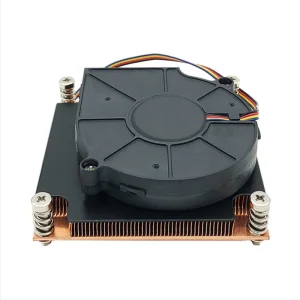
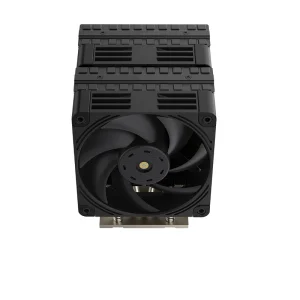
The primary constraint is physical height. A 1U radiator stands under 28mm tall, requiring dense fin structures and high-speed blower fans to move heat horizontally. A 2U or 4U configuration allows larger fins, vertical heat pipes, and larger axial fans, which dissipate heat more quietly and consume less fan power.
Yes, through our dedicated R&D engineering division, we offer OEM and ODM customization. This includes custom baseplate dimensions, fin configurations, tailored heatpipe paths, and pre-applied high-performance thermal interfaces (TIM) matching specific server applications.
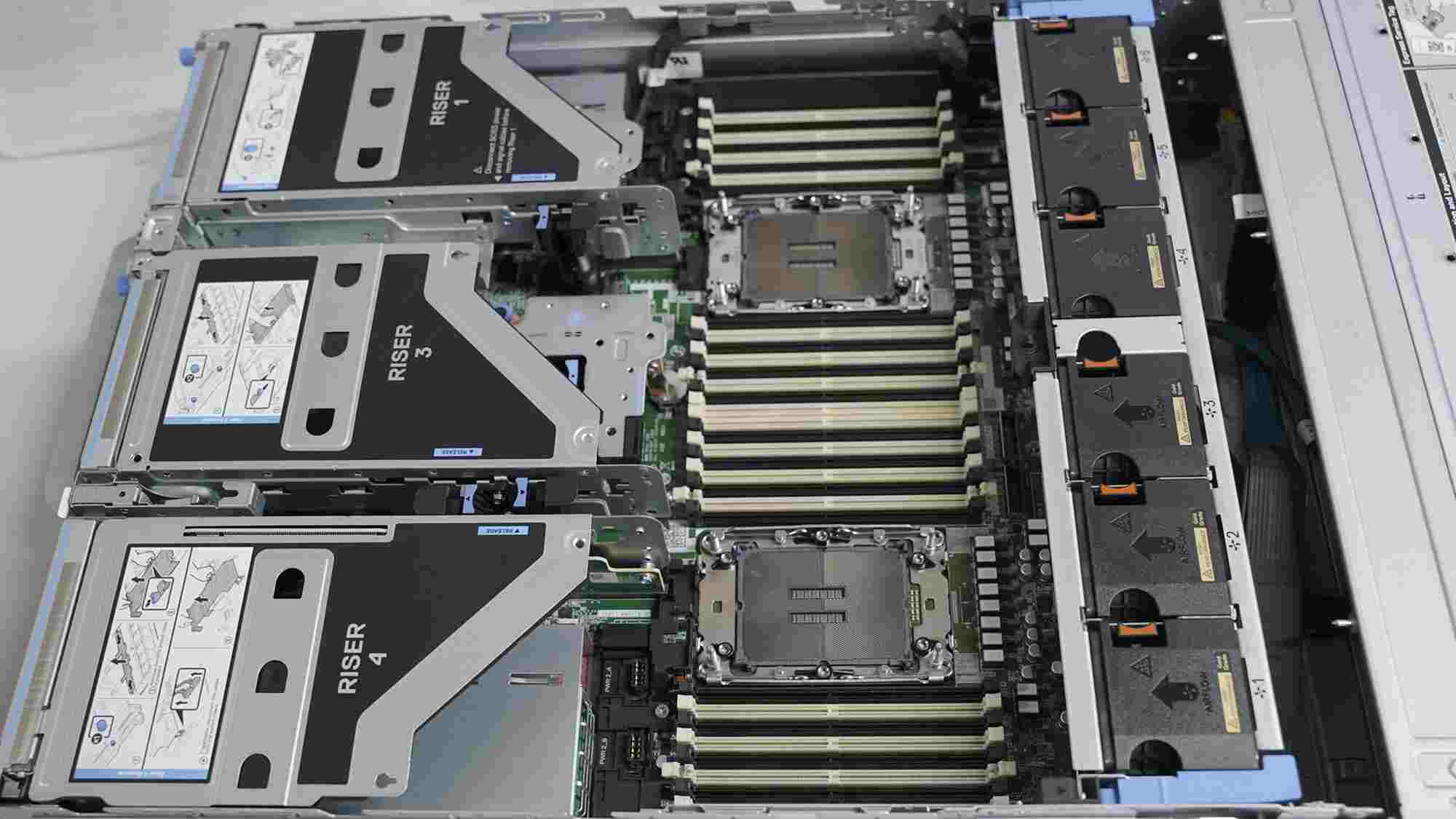
DDR5 memory modules feature on-board PMIC (Power Management Integrated Circuits) that generate localized heat. Effective server chassis design requires CPU radiators to guide hot exhaust away from adjacent memory slots, ensuring that DDR5 DIMMs remain within safe operating temperature limits.
 Cynovex