Modern display interfaces are undergoing a dramatic transformation driven by consumer demand for higher refresh rates, high-dynamic-range (HDR) imagery, and ultra-high-resolution rendering. As enterprise purchasers navigate the complex network of HDMI cable factories in China, understanding the latest technological iterations is paramount to securing future-proof inventory and components.
The release of the HDMI 2.1b spec has solidified a standard baseline of 48 Gbps bandwidth, enabling uncompressed 8K resolution at 60Hz and 4K resolution at 120Hz. For system integrators and A/V distributors, source verification must distinguish between standard passive copper architectures, active copper equalization, and Active Optical Cable (AOC) variants. AOC technologies replace traditional copper lines with multi-mode optical fibers driven by advanced transceiver chipsets, mitigating signal attenuation and electromagnetic interference (EMI) over extended operational distances.
This technical evolution presents significant manufacturing complexity. High-frequency digital pathways demand precise physical design parameters. Factors like characteristic impedance matching (nominal 100 ohms), differential signal pairing skew control (typically restricted to under 112 picoseconds), and structural insulation attenuation determine the difference between a high-performing link and a system-level failure. China's leading manufacturers are addressing these parameters with high-precision manufacturing, integrating advanced raw cable extrusion with robust automation lines.
Enterprise procurement requirements for high-bandwidth interfaces have shifted from simple commodity transactions to complex, specification-driven procurement projects. Procurement officers now prioritize partners that can prove technical compliance, structural quality control, and vertical integration capabilities. Key target sectors driving global demand include:
Demanding long-distance transmission, active optical architectures, plenum-rated fireproofing (CL2/CL3), and zero frame dropouts.
Integrating high-speed physical links for hardware monitoring, localized matrix switching, and latency-critical computational visual outputs.
Uncompressed real-time UHD video feeds requiring strict EMI shielding to prevent interference with sensitive scanning and detection hardware.
Furthermore, geopolitical dynamics and shipping fluctuations emphasize the importance of robust logistics frameworks. Elite factories in China no longer serve merely as manufacturing plants; they act as supply chain nodes offering flexible port routing, duty clearance consulting, and localized support structures that simplify international distribution.
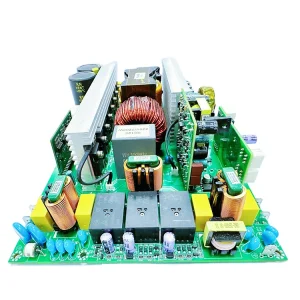
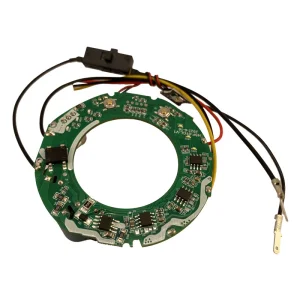
High-end HDMI connections depend on more than just the copper or fiber within the protective jacket. Modern premium display pipelines are a complex ecosystem of active chipsets, interface motherboards, signal boosters, and distribution boards. This is where the cross-disciplinary expertise of top-tier electronics manufacturing partners becomes critical.
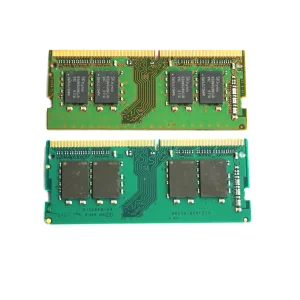
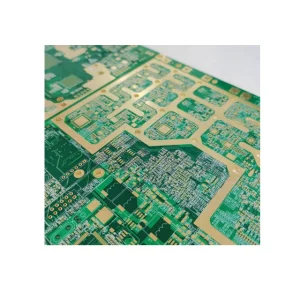
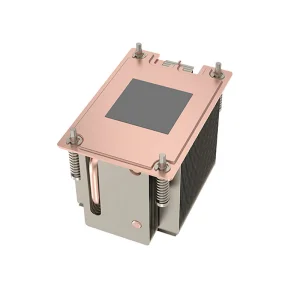
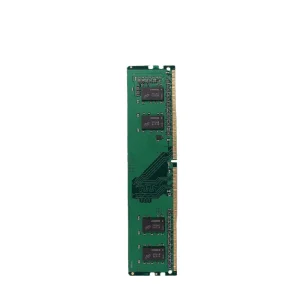
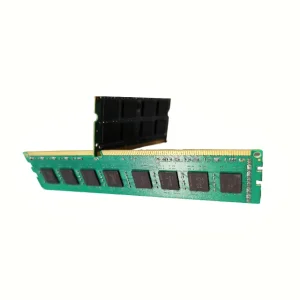
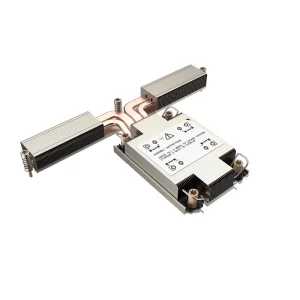
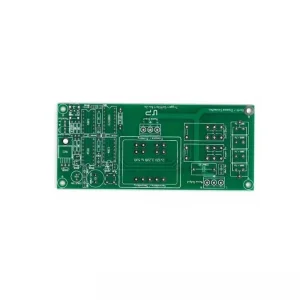
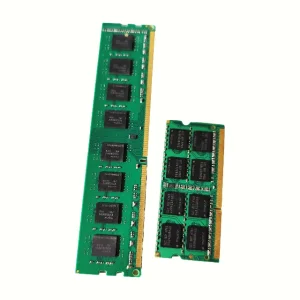
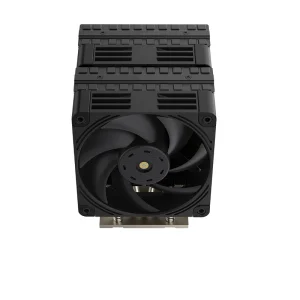
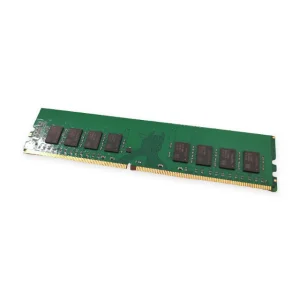
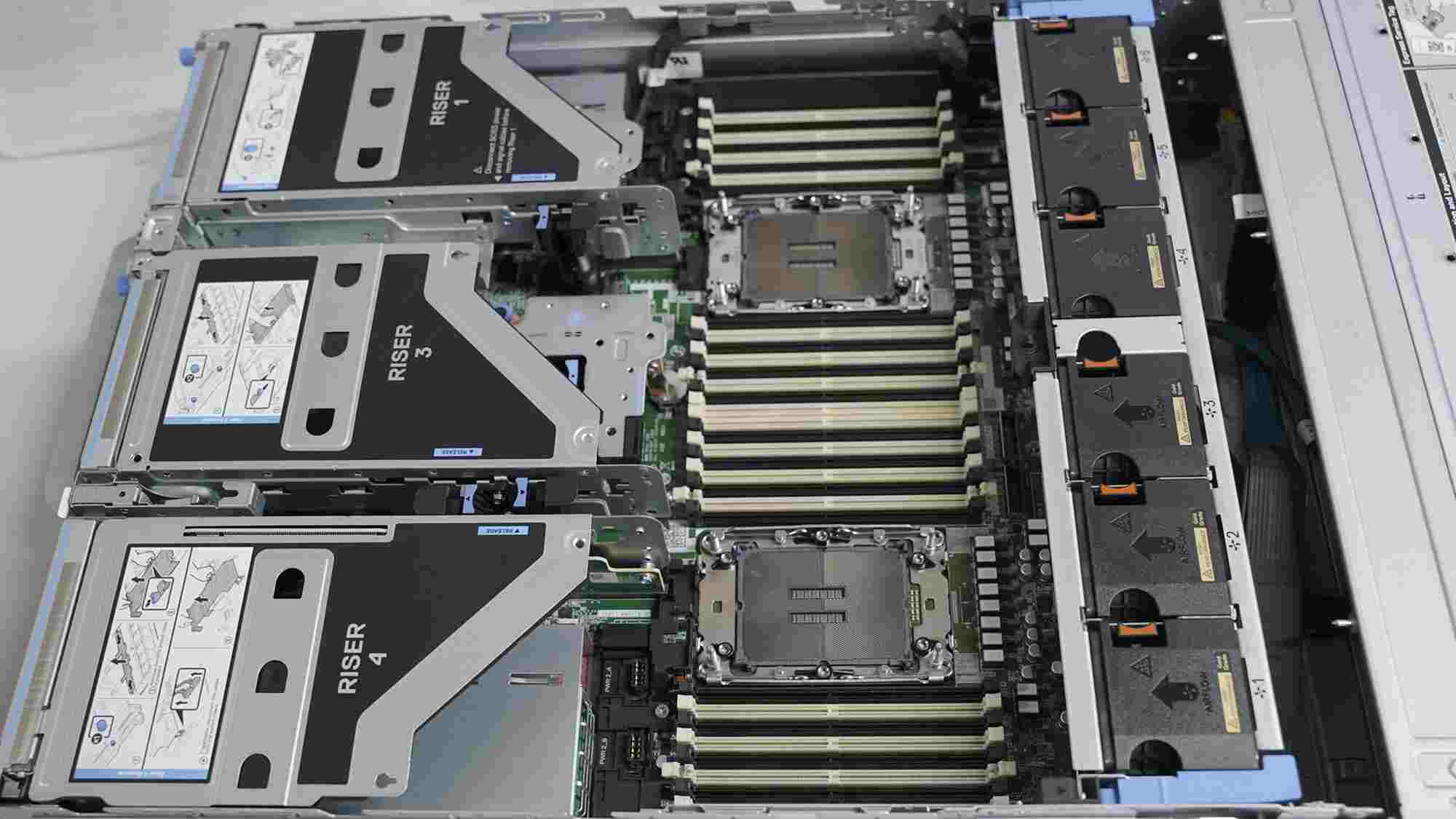
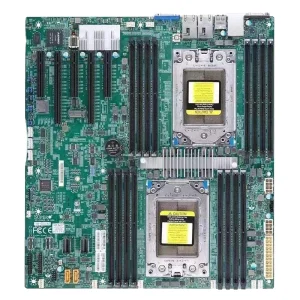
As a leading developer in the semiconductor and electronics assembly sector, Cynovex Semiconductor Co., Ltd. demonstrates the level of manufacturing depth required to support high-speed data transmission pipelines. Founded in 2016, Cynovex has established itself as an engineering-driven manufacturer, operating a modern 18,600 m² factory designed to handle complex electronics manufacturing. While our core divisions produce high-performance industrial memory systems, our high-frequency PCB assembly lines (PCBA), multi-layer FR4 motherboard processing, and thermal design capabilities are key enablers for next-generation active optical transmission devices, matrix switches, and media processors.
Cynovex leverages specialized manufacturing resources to guarantee reliability across every integrated assembly:
Backed by 10 years of industry experience and 8 years of international export operations, Cynovex maintains an annual export volume exceeding USD 28 million. Supported by 94 engineers and 56 quality inspectors, Cynovex applies advanced verification protocols—including signal integrity, functional, burn-in, and compatibility testing—ensuring that every component works seamlessly within high-speed media distribution systems.
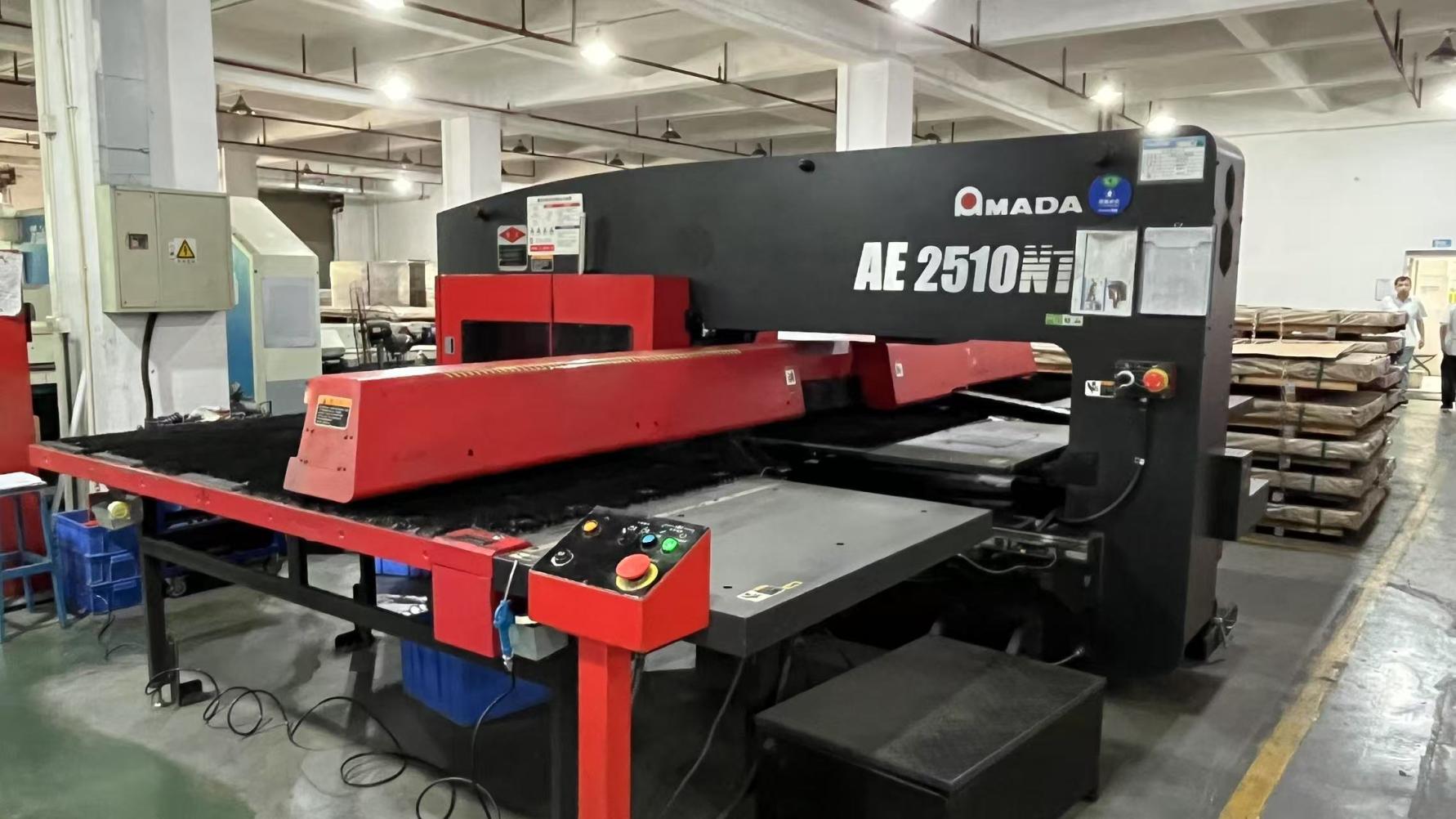
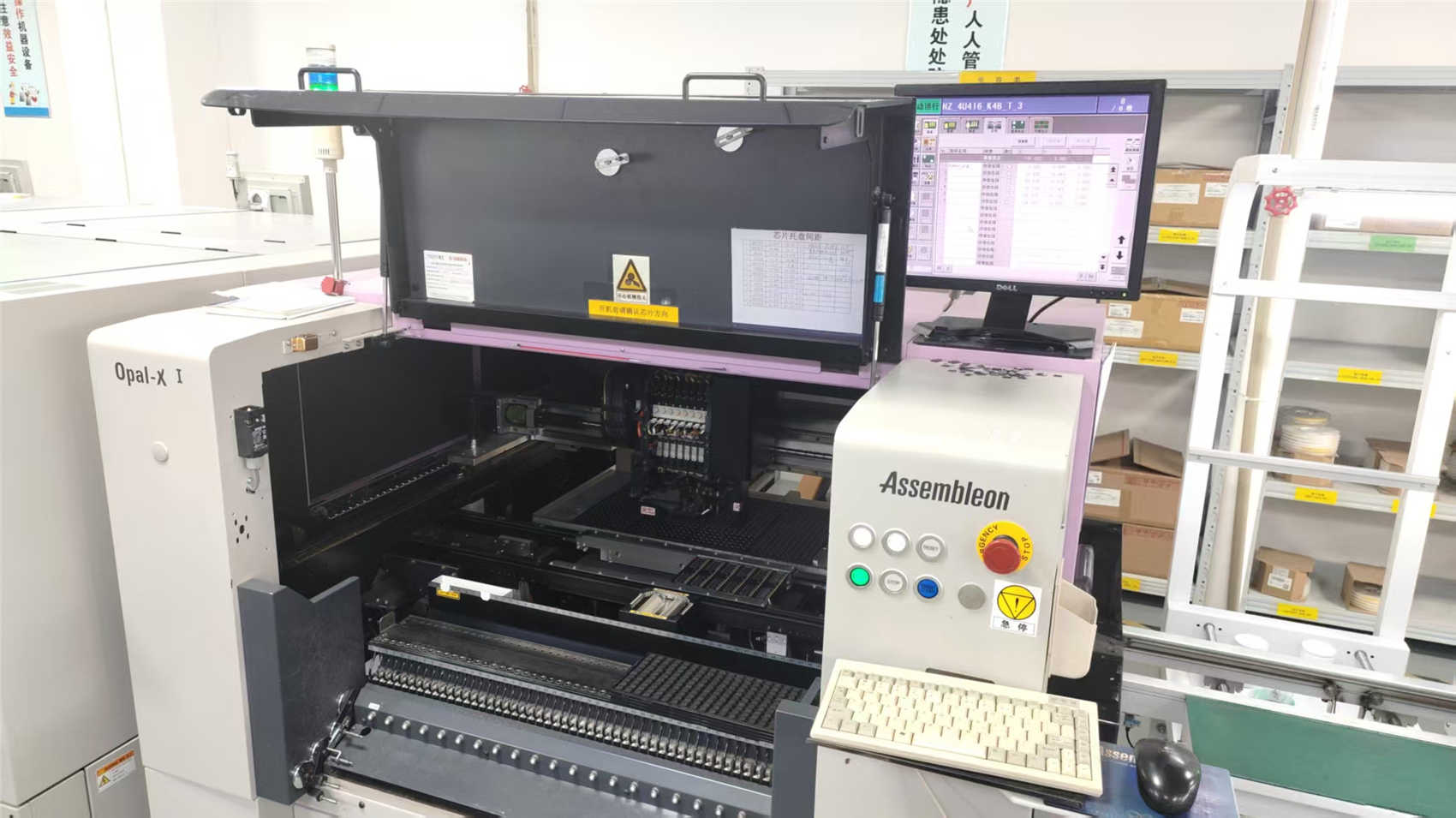
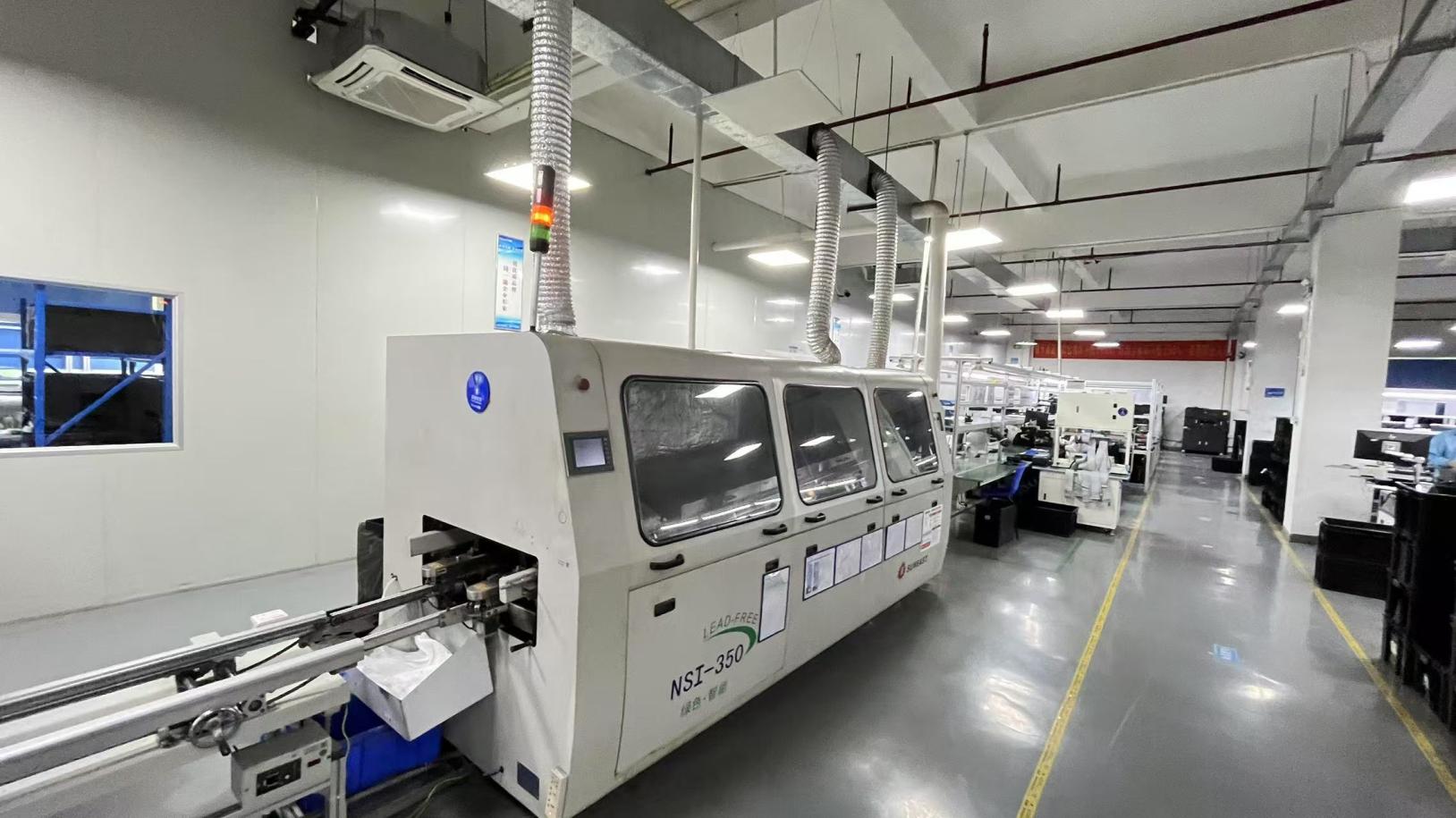
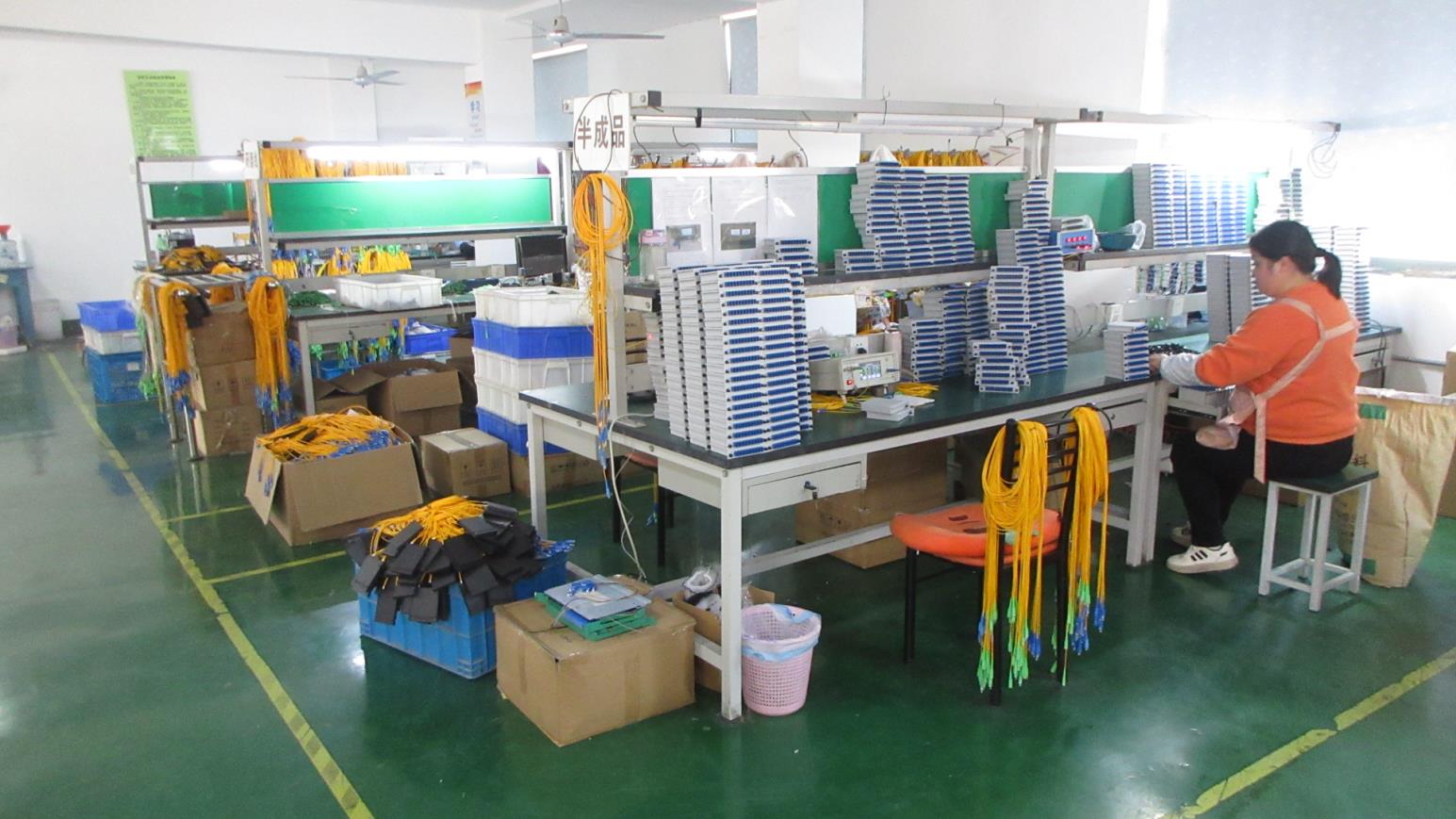
Production Space
R&D Engineers
Quality Inspectors
Supply Chain Partners
High-end HDMI cable production is a complex process. Professional Chinese manufacturers optimize the cable structure step-by-step to prevent signal degradation. Let's look at the core construction of a high-performance HDMI 2.1 cable:
To ensure high performance across production runs, leading factories use advanced testing protocols:
International distribution requires strict compliance with global safety, environment, and performance standards. Procurement departments must verify that their factory partners hold key certifications:
Additionally, maintaining supply chain resilience is critical. A reliable manufacturer must have strong raw material partnerships (for copper, PVC, and optical components) to prevent material shortages, stable production capacities to keep lead times consistent, and flexible shipping options to reduce transit delays.
As standard resolutions move toward 10K and 16K, next-generation display interfaces are transitioning to 80Gbps transmission speeds. This shift utilizes PAM4 (Pulse Amplitude Modulation 4-level) signal formatting to double throughput without requiring excessive physical bandwidth expansion.
Active Optical Cables are becoming the industry standard. Next-generation transceivers will be smaller and consume less power, allowing active optical circuits to fit into standard connector shells without generating excess heat.
The boundaries between USB4, Thunderbolt 4, DisplayPort 2.1, and HDMI are blurring. Future manufacturing plants will need to produce multi-protocol cables that handle power, high-speed data, and UHD video signals through single, unified connector interfaces.
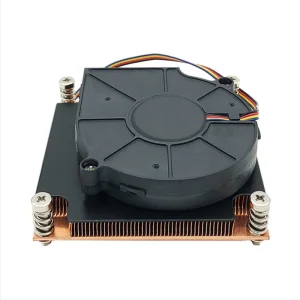
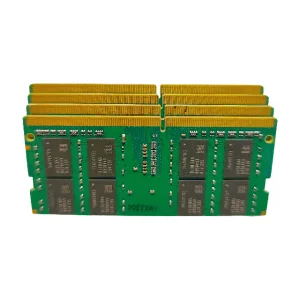
 Cynovex