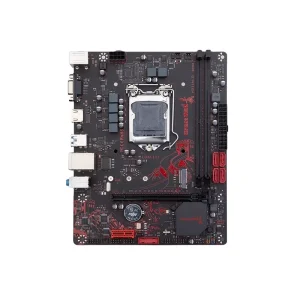
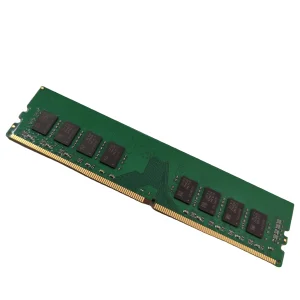
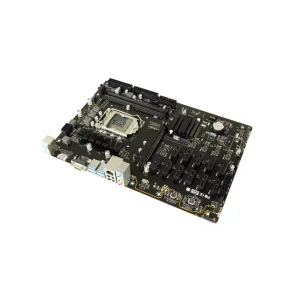
Explore our state-of-the-art server components, thermal systems, and high-density semiconductor assemblies.
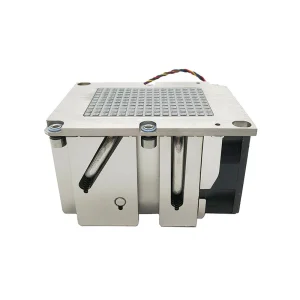
In the solid-state lighting ecosystem, thermal performance dictates both the luminous efficiency and operating lifespan of Light Emitting Diodes (LEDs). Because LEDs convert only about 20% to 30% of electric energy into visible light, the remaining 70% to 80% is dissipated as waste heat. If this heat is not rapidly channeled away from the semiconductor junctions, it leads to thermal runaway, spectral shifting, and rapid degradation of the device.
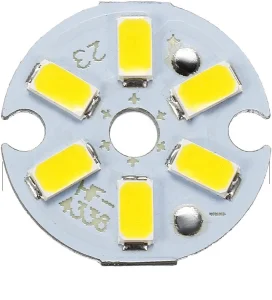
As a result, modern lighting designs have transitioned away from conventional standard FR-4 circuit boards toward advanced Metal Core Printed Circuit Boards (MCPCBs). Specifically engineered with specialized dielectric layers and metal baseplates (primarily aluminum or copper), these circuits act as direct thermal pathways, reducing thermal resistance to a fraction of standard glass-epoxy substrates. This document provides an in-depth analysis of China's LED circuit board manufacturing capabilities, analyzing technical structures, engineering benchmarks, procurement metrics, and market trajectories.
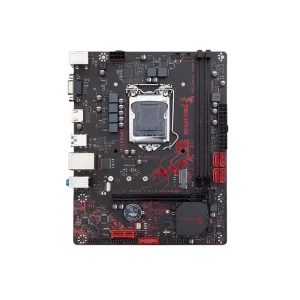
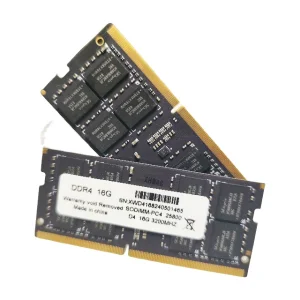
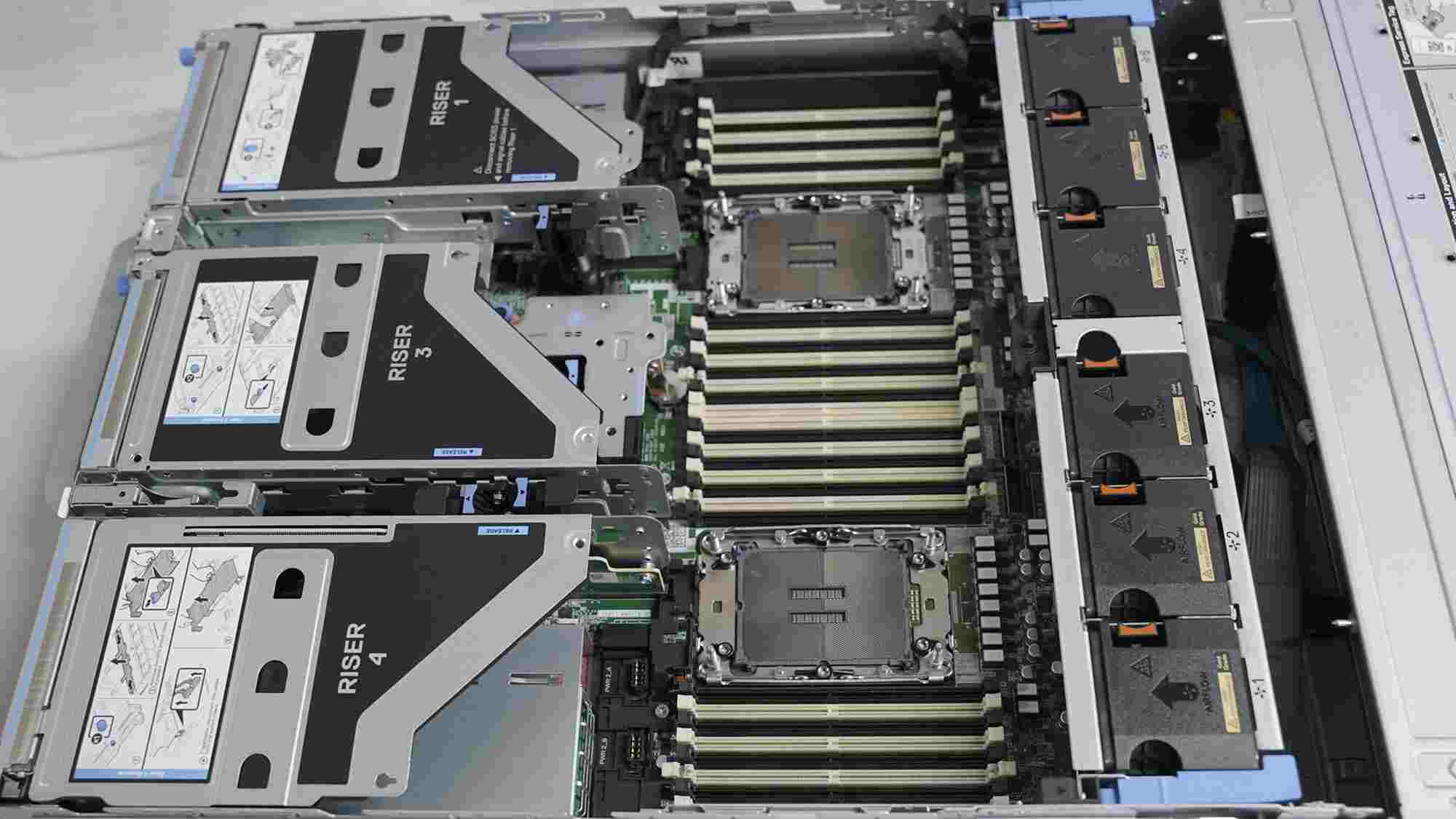
Founded in 2016, Cynovex Semiconductor Co., Ltd. is a leading manufacturer specializing in high-performance hardware and thermal PCB assemblies. Originally recognized for our high-precision enterprise memory systems and DDR5 industrial computing products, Cynovex has systematically applied its cleanroom technology, surface mount technology (SMT) expertise, and high-frequency substrate engineering to advanced LED circuit boards and thermal core laminates.
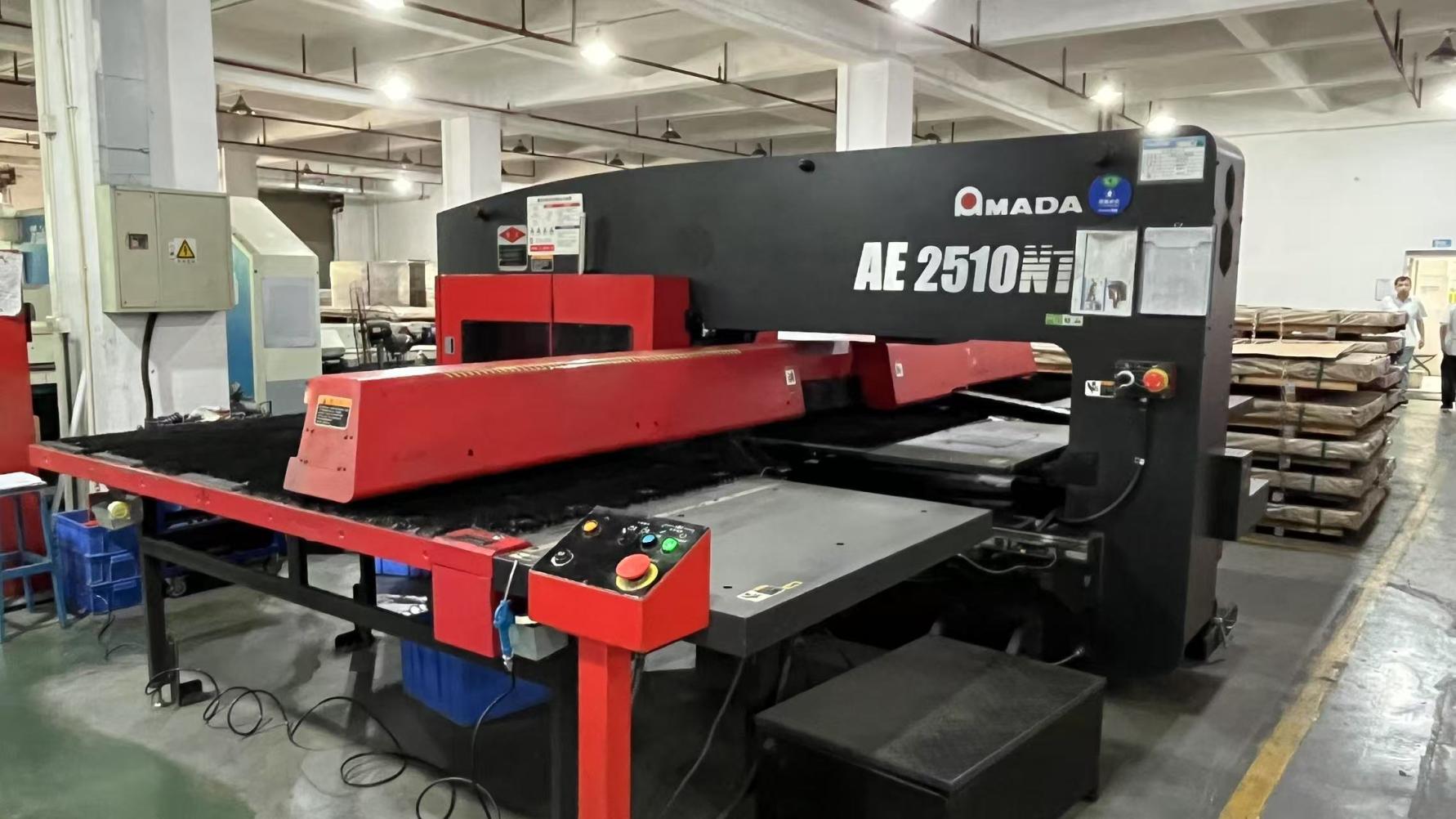
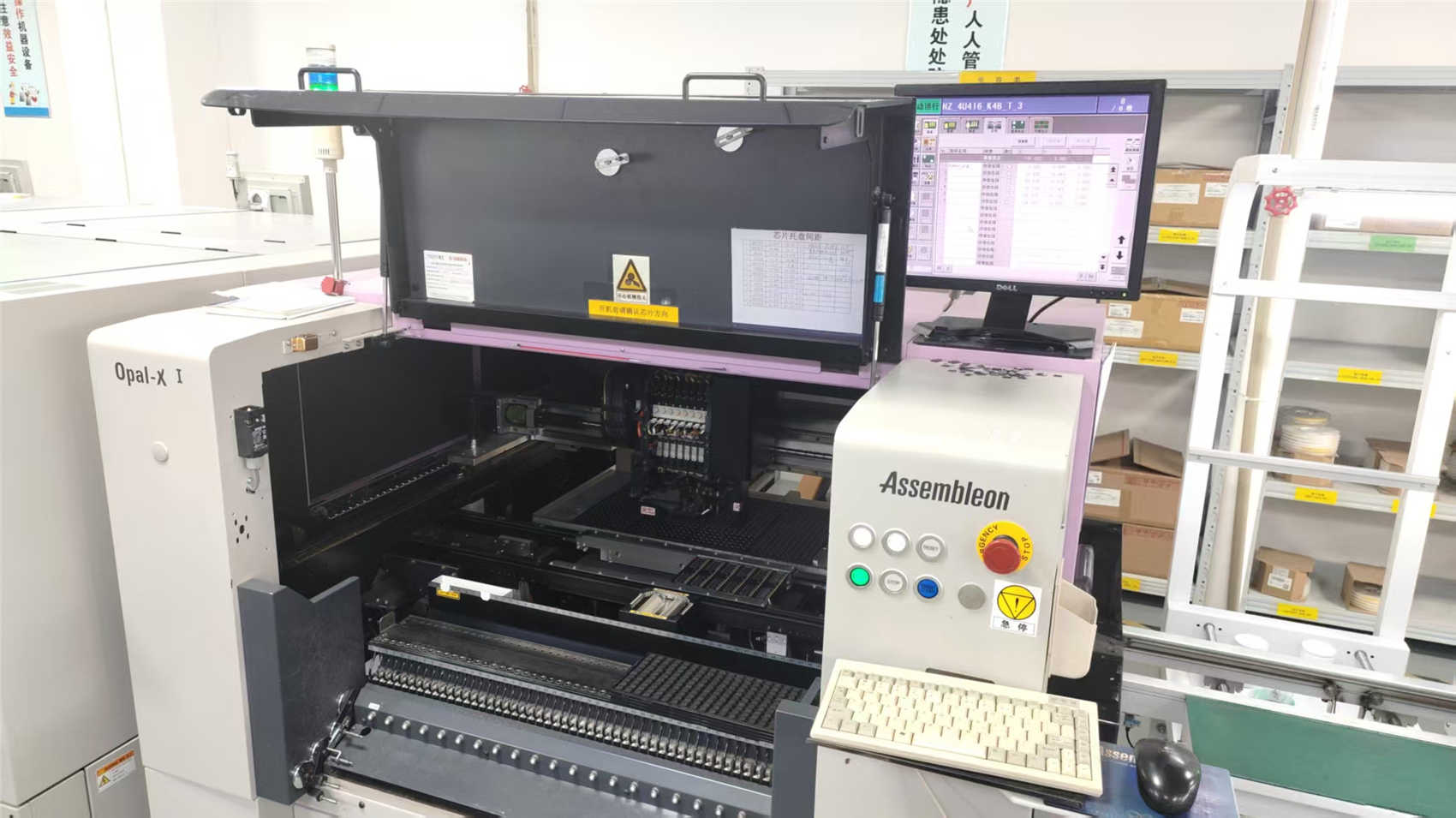
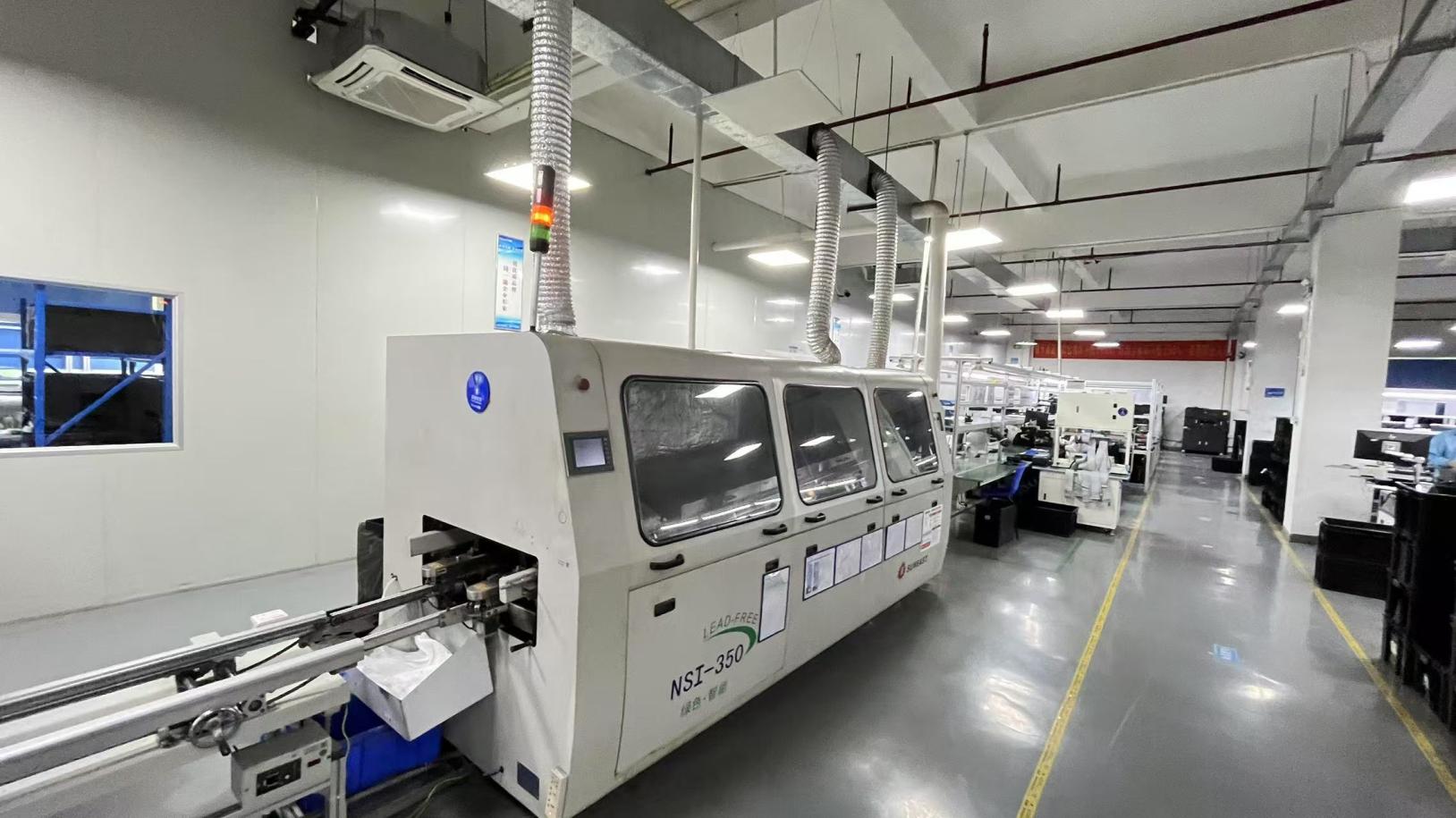
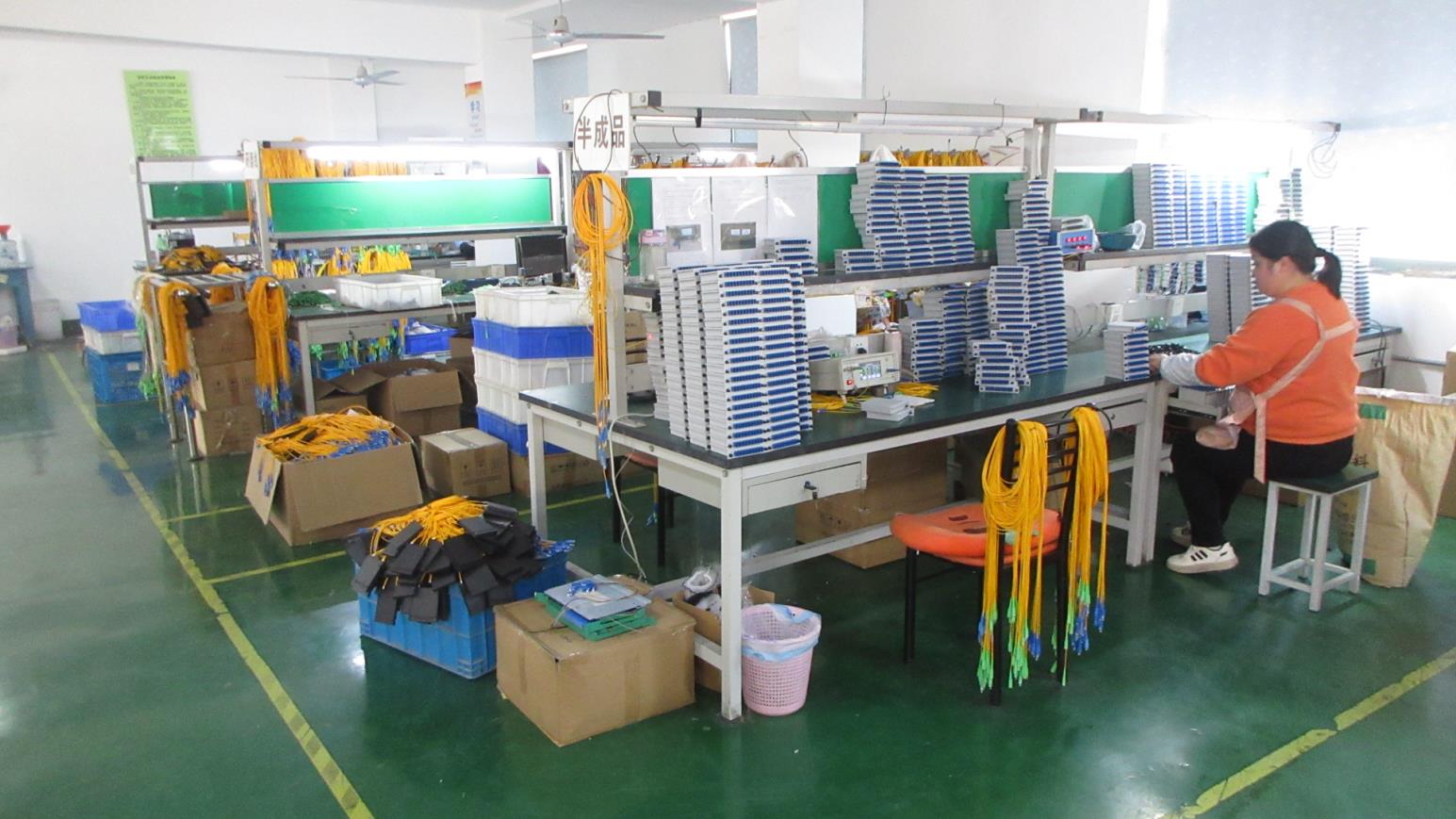
Operating out of a modern manufacturing facility covering 18,600 m², our campus integrates R&D laboratories, fully automated SMT assembly bays, high-speed AOI inspection zones, and clean packaging infrastructure under one roof. Our engineering team specializes in resolving heat dissipation limits in high-power applications, providing custom MCPCB solutions and heavy-copper PCBs.
Every PCB and SMT assembly undergoes rigorous testing utilizing 100% functional testing, burn-in testing, compatibility verification, signal integrity analysis, and accelerated thermal aging tests. Supported by our network of over 1,150 supply chain partners, we ensure stable sourcing of raw copper, high-conductivity dielectrics, and reliable chipsets. This allows us to serve brand owners, industrial system integrators, and wholesalers across North America, Europe, Southeast Asia, and beyond.
When selecting substrate materials for high-brightness LED arrays, engineers must evaluate electrical insulation, thermal transfer rates, mechanical strength, and cost. The table below outlines key differences between traditional FR-4, typical Aluminum-core PCBs, specialized Copper-core PCBs, and Ceramic substrates:
| Substrate Material Class | Thermal Conductivity (W/m·K) | Coefficient of Thermal Expansion (ppm/°C) | Dielectric Breakdown Voltage (kV) | Primary Industry Applications | Relative Manufacturing Cost |
|---|---|---|---|---|---|
| FR-4 (Standard Glass Epoxy) | 0.25 - 0.4 | 14 - 17 | > 40 | Indicator lights, consumer electronics, low-wattage displays | Low (Base Baseline) |
| Aluminum Substrate (MCPCB) | 1.0 - 4.0 | 21 - 23 | 2.0 - 6.0 | Commercial lighting, architectural floodlights, street lighting | Moderate |
| Copper Substrate (MCPCB) | 380 - 400 | 16 - 17 | 2.0 - 8.0 | High-power automotive LED headlights, localized high-heat zones | High |
| Ceramic (Alumina Al2O3 / Nitride AlN) | 24 - 180 | 5 - 7 | > 15 | High-frequency UV emitters, military searchlights, laser diodes | Very High |
As LED technologies diversify, standard solutions no longer meet the needs of harsh-environment deployments. Below are three primary macro-sectors where customized LED PCBs are required:
Modern headlight and daytime running light (DRL) arrays generate dense heat signatures. High-performance aluminum substrates and direct thermal path (DTP) copper bases prevent thermal degradation under engine-bay heat, satisfying strict automotive guidelines.
Agricultural setups utilize broad-spectrum, high-output LED fixtures operating 18+ hours daily under high humidity. Protecting internal systems requires high-reflectivity white solder masks (reflectance > 90%) and anti-corrosive conformal coatings.
Warehouses and heavy manufacturing facilities require long-lasting light engines. Integrating advanced surge protectors, high-voltage copper conductors, and robust thermal vias directly into the LED boards extends operational cycles and minimizes downtime.
Exporting LED PCBs to international markets requires strict adherence to international standards. At Cynovex, our dedicated R&D and testing labs verify that each batch complies with the following certifications:
As MiniLED, MicroLED, and smart lighting solutions emerge, the demand for high-density, flexible, and ultra-high-thermal-conductivity substrates is growing. Cynovex's technical roadmap focuses on the following developments:
FR4 is a glass-reinforced epoxy laminate with low thermal conductivity (around 0.25 W/m·K), which traps heat near the components. An Aluminum Metal Core PCB (MCPCB) features a dedicated metal base and thin dielectric layer that transfers heat away from critical components up to 10–20 times faster than FR4.
We apply specialized, non-yellowing white solder masks formulated to withstand intense heat and UV exposure. These masks maintain a reflectivity rate above 90%, maximizing lumen output and optimizing system efficacy.
DTP substrates place the copper pad of the LED chip in direct contact with the metal baseplate, bypassing the dielectric layer. This reduces thermal resistance at the contact point, making it suitable for high-power applications like automotive headlights.
Cynovex provides comprehensive OEM and ODM support. This includes customized packaging, silkscreen logo printing, tailored panel configurations, firmware optimization, and thermal stress testing tailored to your project requirements.
High-reliability hardware, heat sinks, and PCB components engineered for industrial performance.
 Cynovex