Engineered to meet the strict impedance tolerances and high thermal reliability demanded by modern Indonesian communication networks and industrial systems.
An In-Depth Technical Assessment of High-Frequency Infrastructure Deployment in Southeast Asia
As the Republic of Indonesia accelerates its digital transformation under the strategic roadmap "Making Indonesia 4.0", the demand for high-reliability, high-frequency printed circuit boards (PCBs) has reached unprecedented levels. Modern industrial sectors across Jabodetabek (Jakarta, Bogor, Depok, Tangerang, Bekasi), Surabaya, and Bandung are transitioning toward advanced hardware applications that require flawless signal integrity. Traditional FR-4 laminates, while cost-effective for standard consumer electronics, fail to meet the performance criteria mandated by high-speed telecommunication arrays, smart grid technologies, and automotive radar systems.
To overcome these challenges, engineers and procurement managers throughout Indonesia are increasingly specifying Rogers high-frequency laminates. Manufactured with specialized PTFE and ceramic-filled thermoset polymer matrices, Rogers PCBs offer exceptionally low dielectric loss (Df) and a highly stable dielectric constant (Dk) across wide temperature and frequency ranges. This technical whitepaper explores the critical engineering parameters, localized application paradigms, and global supply chain dynamics that position Cynovex Semiconductor Co., Ltd. as the premier partner for Rogers PCB fabrication and SMT PCBA integration serving the Indonesian market.
Selecting the Correct Substrate for Advanced RF and Microwave Applications
The primary advantage of Rogers laminates over standard FR-4 lies in their material composition. While FR-4 utilizes woven fiberglass impregnated with epoxy resin, Rogers materials incorporate proprietary ceramic-filled hydrocarbon or PTFE bases. This eliminates the "fiber weave effect," which causes phase skew and differential signal degradation at frequencies above 10 GHz.
For applications such as 5G base station transceiver stations (BTS), satellite receivers, and automotive collision avoidance radar, design engineers must carefully balance dielectric constant stability, dissipation factor, thermal conductivity, and coefficient of thermal expansion (CTE). The table below outlines the comparison of key Rogers substrates commonly supplied to Indonesian technology partners:
| Substrate Material | Dielectric Constant (Dk @ 10GHz) | Dissipation Factor (Df @ 10GHz) | Thermal Conductivity (W/m/K) | Moisture Absorption (%) | Primary Industrial Applications |
|---|---|---|---|---|---|
| Rogers RO4003C | 3.38 ± 0.05 | 0.0027 | 0.71 | 0.06 | RF Base Station Antennas, Satellite LNB, Automotive Radar |
| Rogers RO4350B | 3.48 ± 0.05 | 0.0037 | 0.69 | 0.06 | Power Amplifiers, 5G Small Cell, RFID Readers |
| Rogers RT/duroid 5880 | 2.20 ± 0.02 | 0.0009 | 0.20 | 0.02 | Aerospace Radomes, Military Radars, Millimeter-wave Systems |
| Rogers RO3003 | 3.00 ± 0.04 | 0.0010 | 0.50 | 0.04 | 77 GHz Automotive Radar, ADAS Systems, High-Speed Backplanes |
| Standard FR-4 (Comparison) | 4.2 - 4.8 | 0.0150 - 0.0250 | 0.20 - 0.30 | 0.20 - 0.50 | General Purpose Electronics, Consumer Power Supplies |
When designing high-speed printed circuits for deployment in Indonesia, implementing a hybrid stack-up is often the most cost-effective path. By combining Rogers laminates on the critical high-frequency signal layers (such as Layer 1 and Layer 2) with standard FR-4 cores for the lower-speed control and power ground planes, developers achieve the required microwave performance while maintaining a competitive budget footprint.
How Rogers Substrates Drive Infrastructure Upgrades from Sumatra to Papua
Indonesian telecommunications majors like Telkomsel, Indosat Ooredoo Hutchison, and XL Axiata are expanding 5G coverage across major urban areas. Rogers RO4350B and RO4003C PCBs are critical components in massive MIMO antenna arrays, power amplifiers, and remote radio heads (RRH) to prevent signal degradation in the high-frequency C-band and mmWave spectra.
As an archipelagic nation, Indonesia relies heavily on maritime transport and coastal surveillance. Rogers-based RF transmitters and receivers operate reliably in high-salinity, high-moisture marine environments, providing high-resolution radar tracking and satellite positioning data for shipping routes in the Sunda and Malacca straits.
With Indonesia positioning itself as a global nickel processing and battery manufacturing hub (supported by the Indonesia Battery Corporation), the localization of EV electronics assembly is picking up pace. Rogers PCBs serve in battery management systems (BMS), high-power inverters, and ADAS collision-avoidance radar systems.
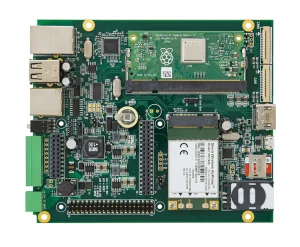
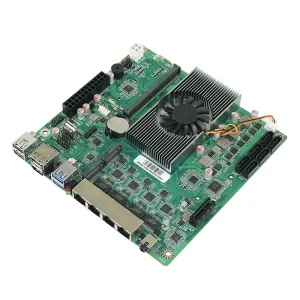
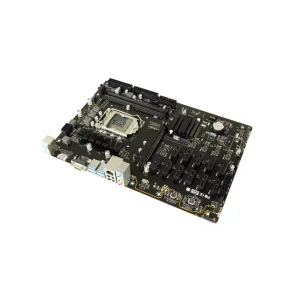
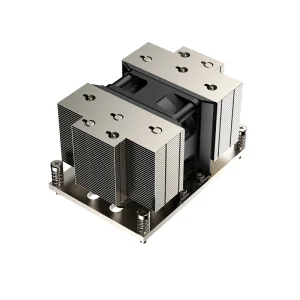
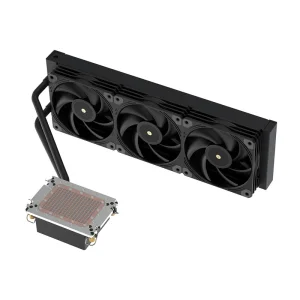
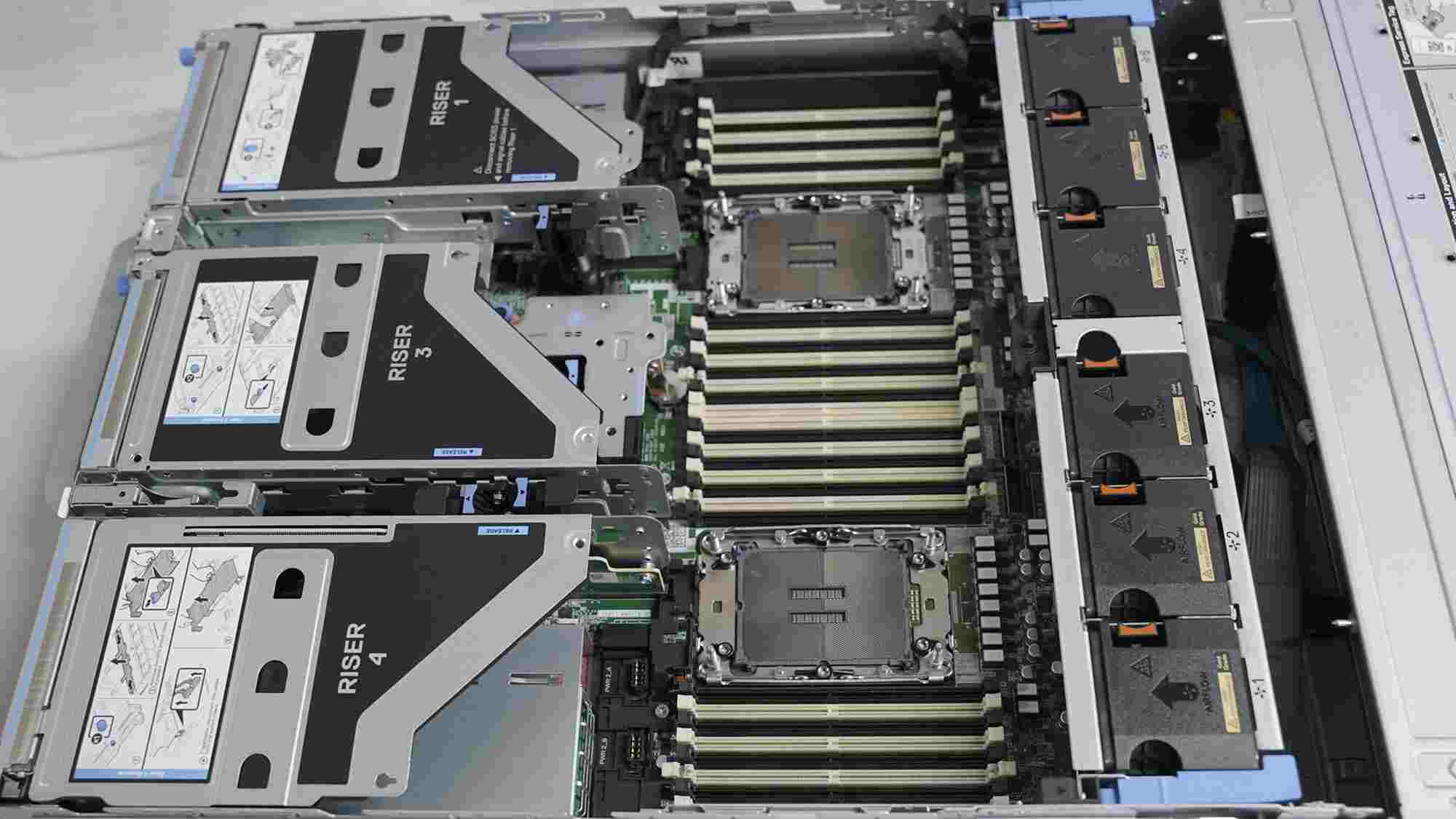
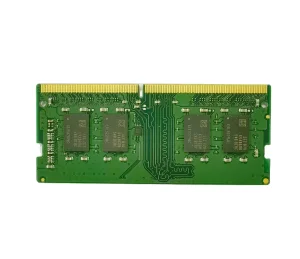
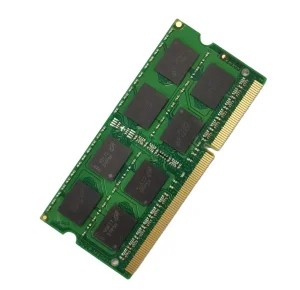
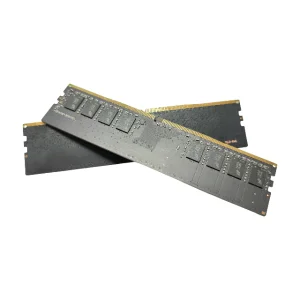
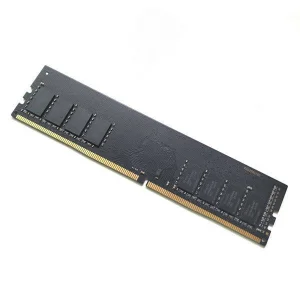
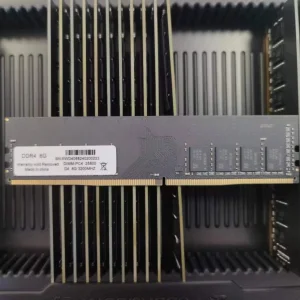
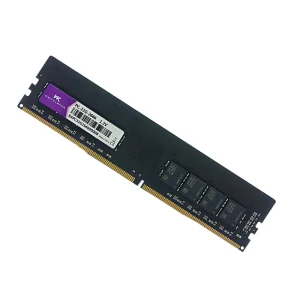
Essential sub-systems designed to support reliable telecom server hubs and edge-computing applications throughout Indonesia.
How Cynovex Semiconductor Mitigates Supply Risk and Delivers Cost Efficiencies under RCEP
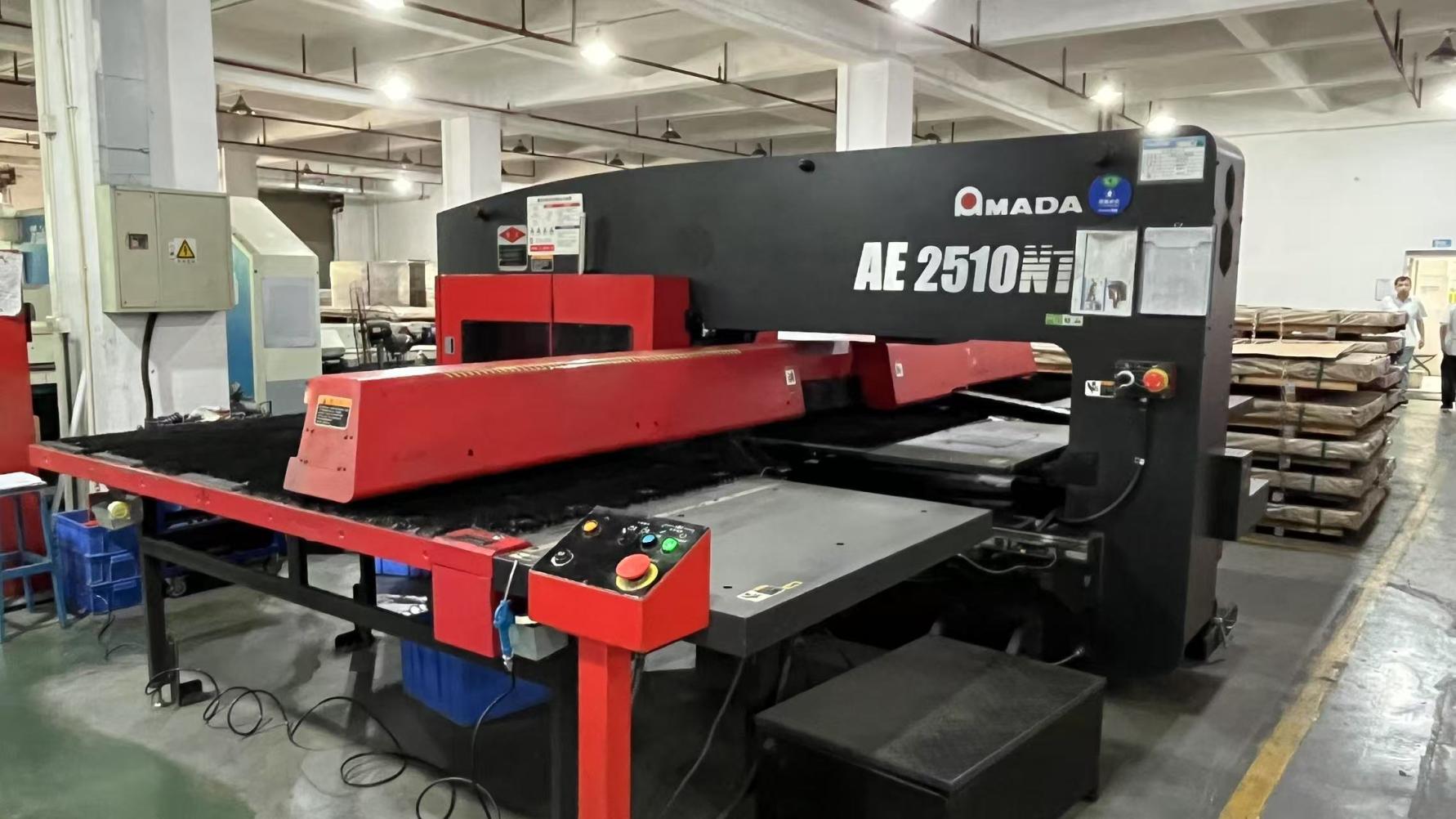
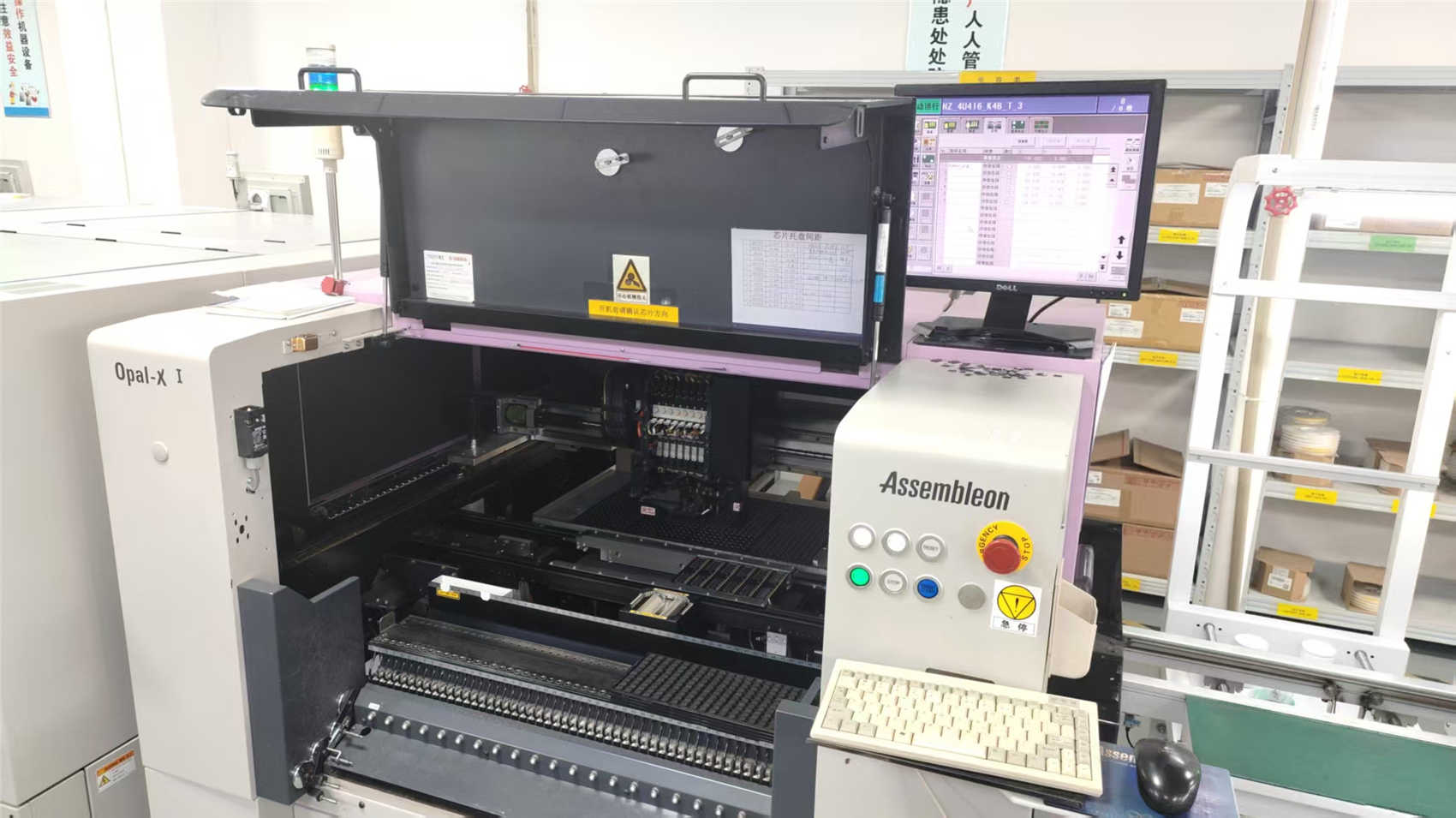
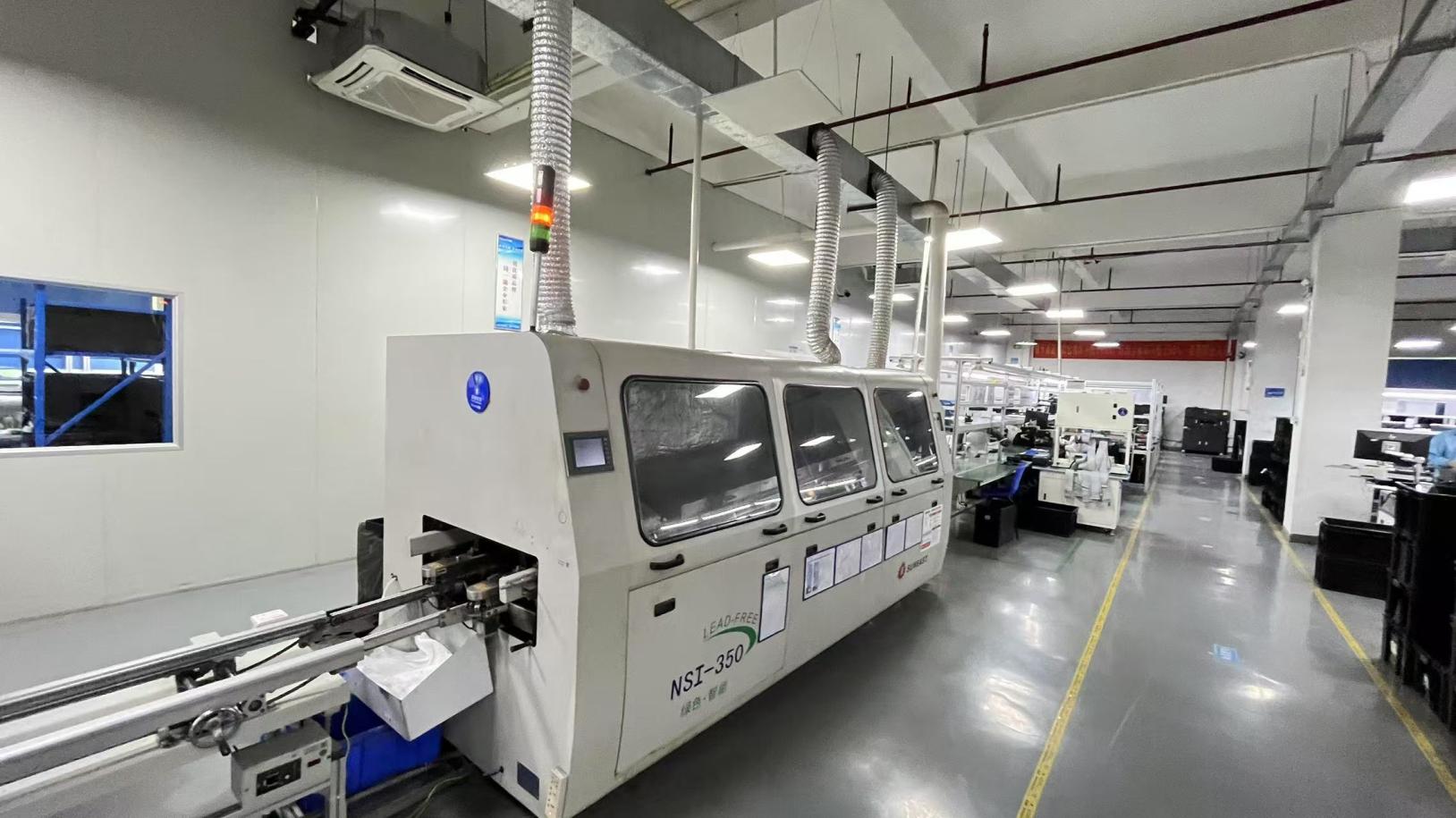
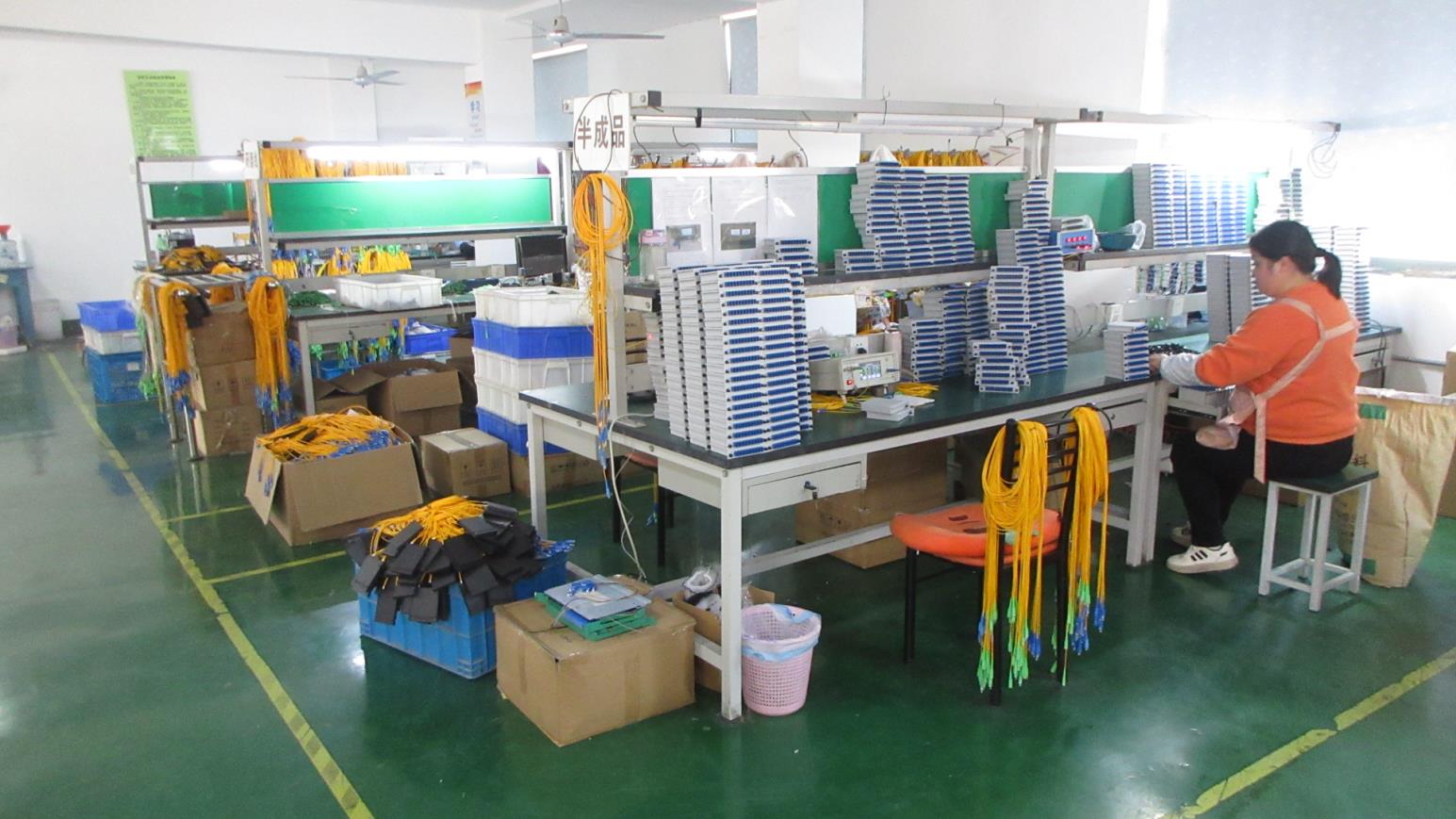
Sourcing high-performance substrates like Rogers PCBs requires robust manufacturer integration. Cynovex Semiconductor Co., Ltd., established in 2016, operates a state-of-the-art 18,600 m² manufacturing facility. By combining advanced PCB lamination, precision CNC routing, custom SMT/DIP placement lines, and integrated memory chip module production under one roof, we eliminate intermediate supply chain layers. This guarantees that Indonesian partners receive high-reliability assemblies without the typical markups of trading houses.
The RCEP Tariff Advantage: The Regional Comprehensive Economic Partnership (RCEP) has drastically simplified the trade corridor between China's electronics hubs and major Indonesian ports (Tanjung Priok, Tanjung Perak). By providing certified Certificate of Origin forms, we help Indonesian clients bypass complex import barriers and minimize customs tariffs. Our logistical routes span efficient sea freight networks from Shenzhen/Guangzhou ports to Jakarta (transit time: 7-10 days) and priority air express via Soekarno-Hatta International Airport for rapid prototyping (transit time: 2-3 days).
Raw Material Sourcing Security: Global Rogers substrate shortages can paralyze high-tech product rollouts. Cynovex maintains strategic inventory reserves of genuine Rogers raw stock (specifically RO4003C, RO4350B, and RO3003 cores) through long-term relationships with international raw material distributors. This ensures a stable lead time of 7 to 10 days for prototype fabrication, compared to the industry standard of 4 to 6 weeks.
Cynovex at a Glance:
Ensuring Operational Reliability and Fast Track Certification for Indonesian Hardware Projects
Entering the Indonesian technology market requires compliance with local regulatory frameworks, primarily the SDPPI (Direktorat Jenderal Sumber Daya dan Perangkat Pos dan Informatika) certification for telecommunication equipment. Hardware platforms utilizing high-frequency PCBs must demonstrate strict compliance with electromagnetic compatibility (EMC) and radio frequency (RF) standards before commercialization.
Cynovex supports Indonesian developers throughout this compliance journey. By conducting comprehensive pre-compliance testing—including time-domain reflectometry (TDR) testing for impedance control, vector network analyzer (VNA) characterization of insertion loss, and thermal cycling chambers to test structural reliability—we ensure that every Rogers PCBA meets SDPPI parameters. This prevents costly board revisions during official laboratory testing in Jakarta.
Deep Architectural Answers for Hardware Designers and Procurement Managers
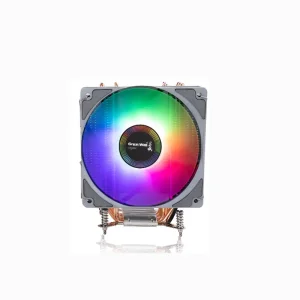
Genuine Cynovex enterprise hardware designed to support regional network nodes and high-frequency communication rigs.
 Cynovex