UVC LED Module Supplier & Exporter for the Rajshahi Market

High-Performance Ultraviolet Germicidal Modules, Advanced PCBA Engineering & Thermal Management Systems Custom-Built for Industrial, Municipal, and Healthcare Facilities in Bangladesh

Send Inquiry Now

Industrial Controller & Driver Products

High-reliability processing modules and specialized PCBs designed to drive UVC disinfection systems and automated machinery in Rajshahi.
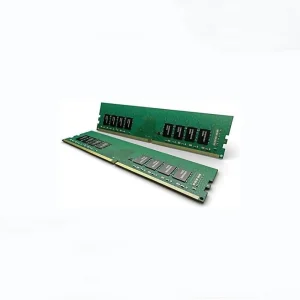
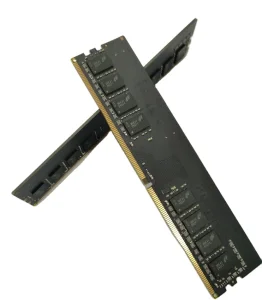
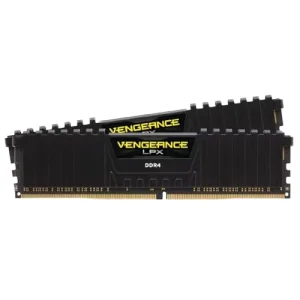
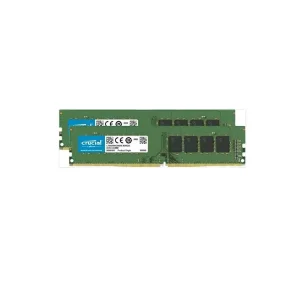
Rajshahi Industrial Water Treatment UVC Controller Memory Module
Learn More
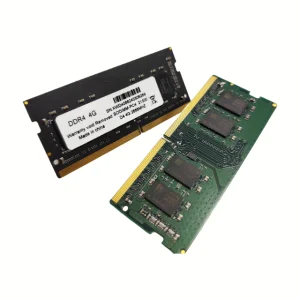
Heavy Duty Food Sterilization System Control Memory - Rajshahi Special Edition
Learn More
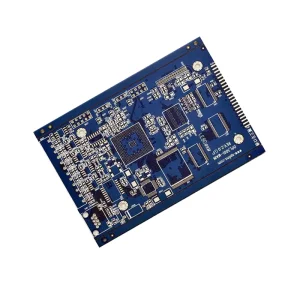
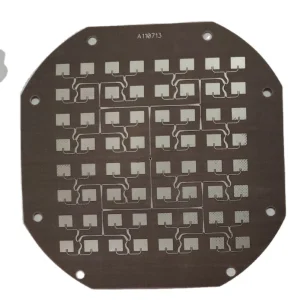
High-Power UVC LED Module Driver Board & PCBA Assembly
Learn More
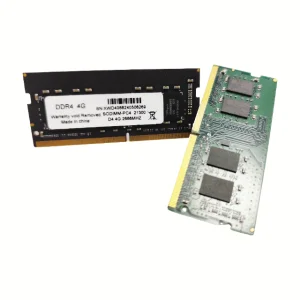
Centralized Air Disinfection Processing Unit Controller RAM
Learn More

Executive Whitepaper: Industrial Germicidal Advancements in Rajshahi

An in-depth look at local economic demands, global solid-state sanitization trends, and advanced AlGaN semiconductor integration.

1. The Industrial & Public Health Context of Rajshahi

As the primary urban center of the Rajshahi Division in northwestern Bangladesh, the Rajshahi metropolitan area is experiencing a rapid industrial transition. Known historically for its agriculture, silk mills, and processing centers, the region is now modernizing its municipal infrastructure, healthcare delivery networks, and food processing corridors.

With this growth comes a critical challenge: maintaining microbial biosecurity in water treatment, air purification, and cold storage storage chain systems. The Padma River basin provides key water resources, but biological pathogens and bacterial counts present persistent hazards for both municipal utility providers and textile manufacturing systems. Traditional mercury vapor lamps—long the default for ultraviolet germicidal irradiation (UVGI)—are being phased out globally under the Minamata Convention on Mercury. Consequently, the regional market has shifted decisively toward highly efficient, non-hazardous UVC LED Modules operating in the peak germicidal wavelength of 260nm to 280nm.

Why Rajshahi is Transitioning to UVC LEDs

  • Agricultural Preservation: Protecting the massive Rajshahi mango harvest from post-harvest fungal decay (Anthracnose, Stem-end rot) without applying chemical residues.
  • Textile & Silk Biosecurity: Preventing micro-organic contaminants on delicate silk cocoons and fibers.
  • Hospital Sanitization: Retrofitting Rajshahi medical centers with high-efficiency HVAC air purification grids to limit airborne hospital-acquired infections (HAIs).
  • Municipal Water Safety: Implementing robust flow-through pathogen sterilization systems that operate efficiently under fluctuating local power supplies.
"The shift from gas-discharge mercury lamps to solid-state semiconductor UVC emitters is the most significant technological leap in industrial sanitization in the last fifty years. By providing instant-on operation and precise wavelength tuning, UVC LED modules offer unprecedented control over bacterial and viral inactivation."

2. Global UVC LED Industry Dynamics: Wavelengths & Semiconductor Technology

Globally, the market for ultraviolet-C light-emitting diodes (UVC LEDs) is scaling rapidly. The core technology relies on AlGaN (Aluminum Gallium Nitride) semiconductor crystals grown on sapphire substrates. Unlike UVA (used in curing and tanning) or UVB (used in medical therapeutics), UVC light operates in the 200–280nm band. The maximum absorption spectrum of DNA and RNA molecules peaks at approximately 260nm to 265nm, where thymine bases in DNA undergo dimerization, rendering the micro-organisms structurally compromised and unable to replicate.

Developing high-power UVC modules requires overcoming low External Quantum Efficiency (EQE) and managing substantial heat generated at the p-n junction. Since only a small percentage of electrical energy is converted into optical UVC output, the remaining energy is converted into heat. This necessitates advanced thermal management solutions—such as heavy copper cores and aluminum-substrate PCBs—to prevent chip degradation and maintain a stable operating lifetime exceeding 10,000 to 20,000 hours.

3. Global Corporate Procurement: Demands and Quality Standards

Enterprise and municipal procurement teams look beyond simple lumens-per-watt when selecting a UVC LED partner. Modern engineering requirements dictate strict parameters:

  • Irradiance and Dose: Calculating the exact radiant exposure (typically measured in mJ/cm²) required to achieve a log-3 (99.9%) or log-4 (99.99%) reduction of target pathogens like Escherichia coli, Legionella pneumophila, and various viral strains.
  • Electrical and Mechanical Integration: Choosing modules with built-in driver circuits, over-temperature protection, and sensor telemetry interfaces (I2C or Modbus protocols) to communicate directly with master control motherboards.
  • Certifications: Verifying compliance with CE, RoHS, FCC, and specific biological testing certifications (such as ISO 22196 for antibacterial activity).

Cynovex Semiconductor: Engineering Enterprise Integrity

Founded in 2016, Cynovex leverages world-class semiconductor packaging, thermal management, and precision design to supply high-reliability industrial modules globally.

18,600m²
Modern R&D & Manufacturing Facility
94
Professional R&D Engineers
56
Dedicated Quality Inspectors
1,150+
Supply Chain Partners

Uncompromising Quality & Operational scale

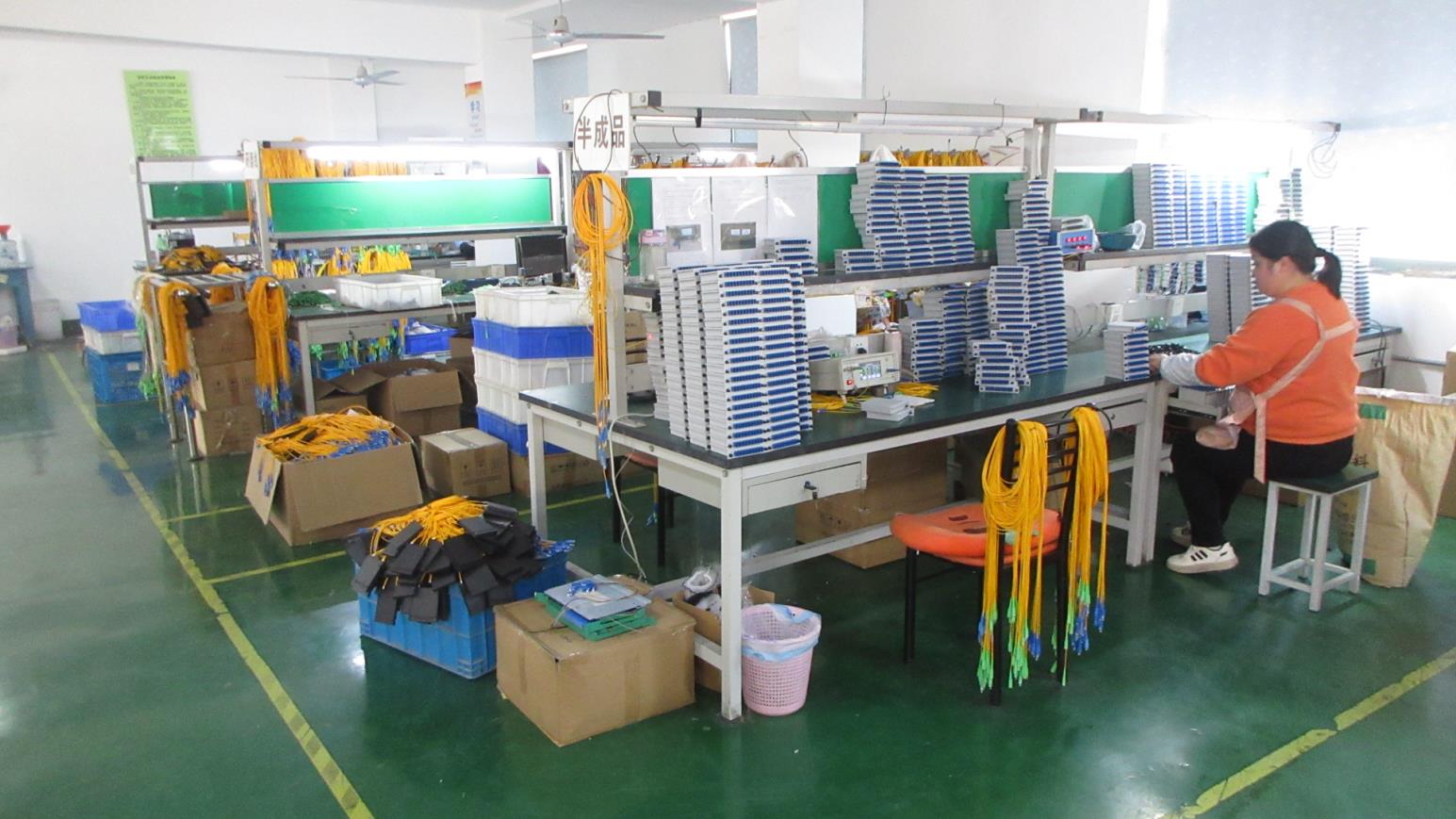
Under the corporate structure of Cynovex Semiconductor Co., Ltd., we maintain a highly specialized manufacturing ecosystem. To service high-demand industrial sectors, our facility handles high-frequency PCB manufacturing, PCBA assembly, and advanced chip integration under one roof. Our annual export revenue exceeds USD 28 million, backed by 8 years of global export history and a 10-year legacy of industry innovation.

Every industrial module—whether it is a specialized UVC LED carrier board, a copper cooler heat sink, or an embedded memory controller module—undergoes an exhaustive validation matrix. This includes 100% functional testing, burn-in testing, compatibility testing, signal integrity testing, and aging tests under thermal stress.

OEM & ODM Customization Services

We work directly with brand owners, system integrators, municipal contractors, and industrial developers across the globe. Our comprehensive customization capabilities include:
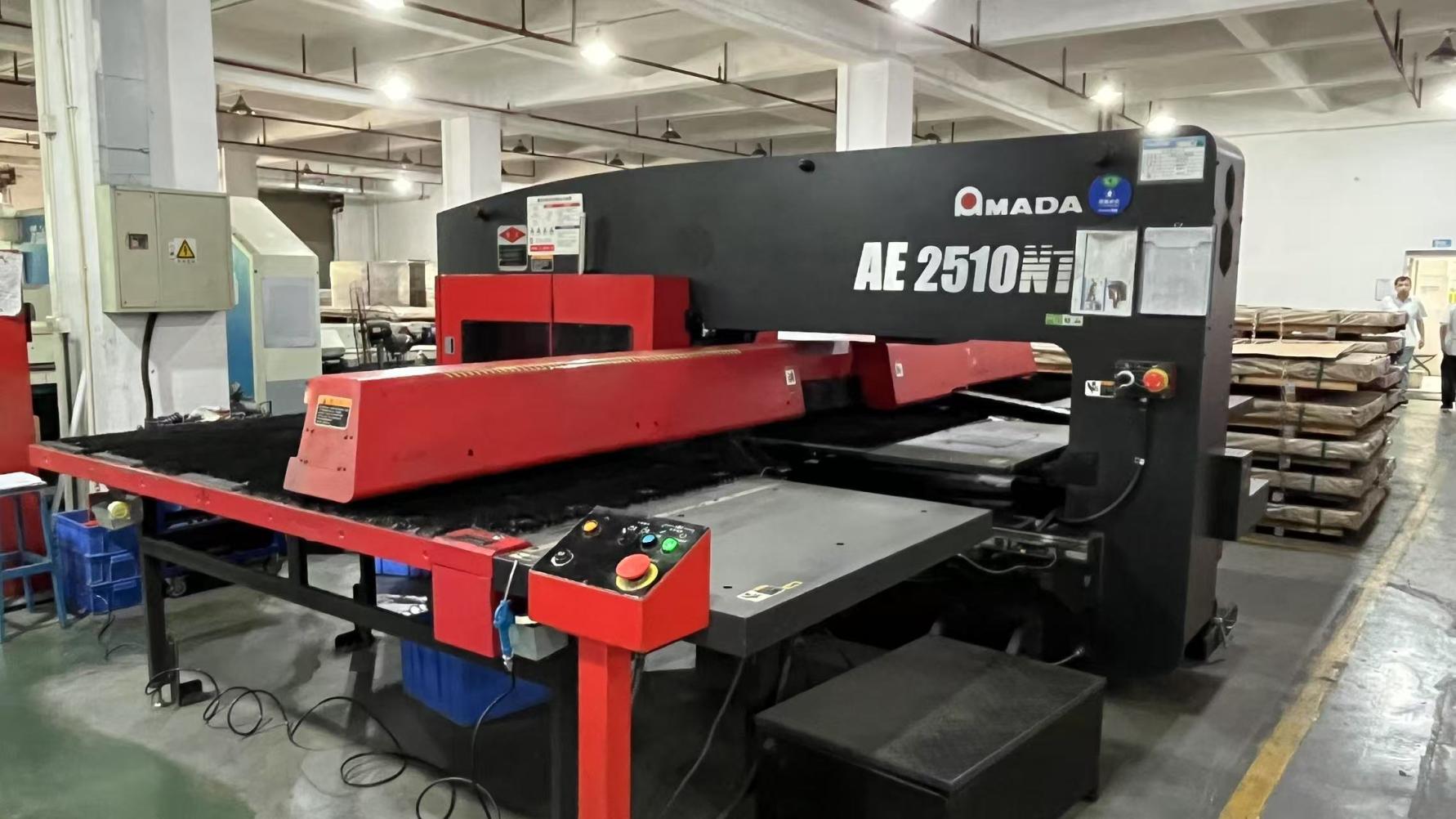
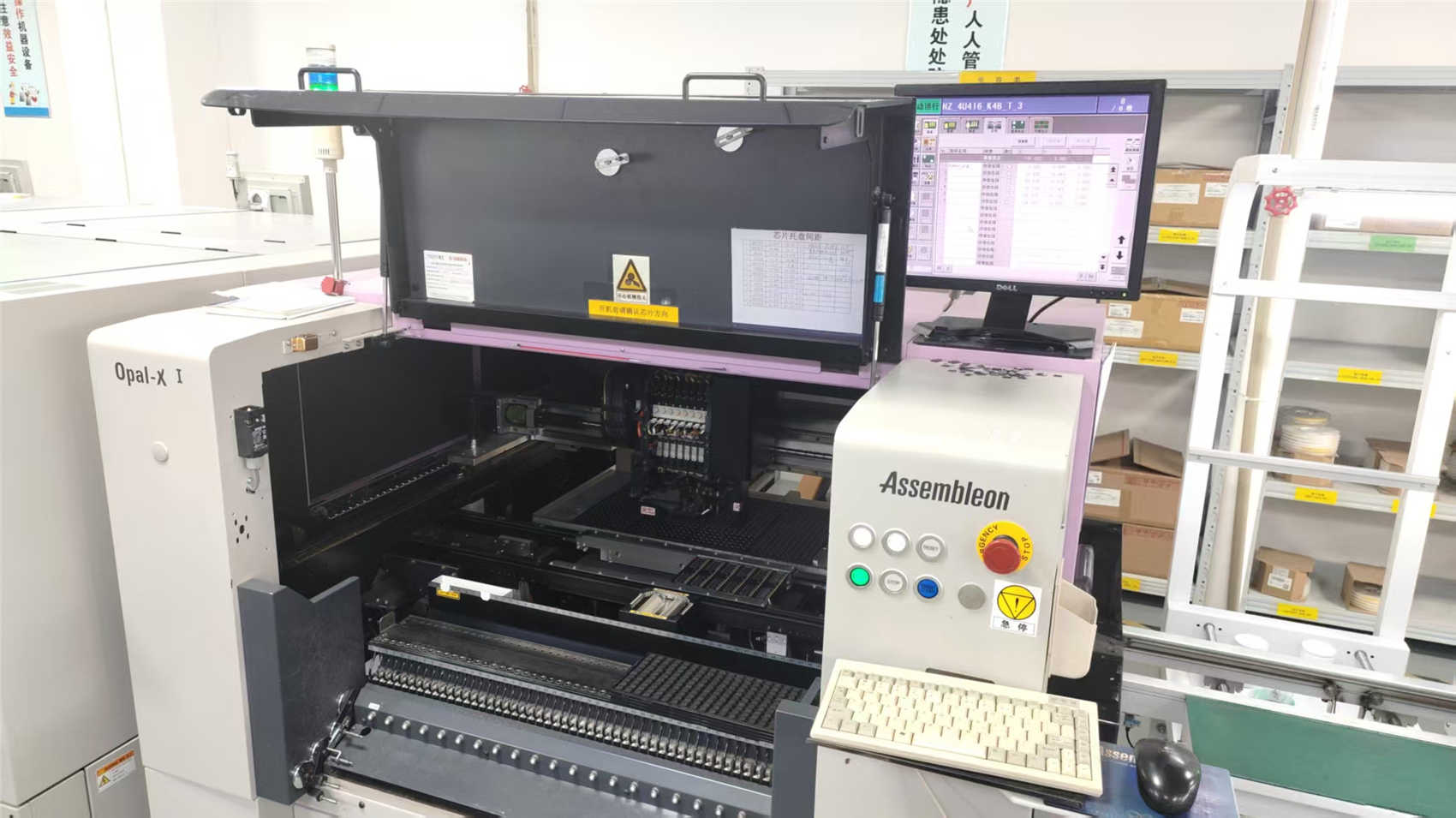
  • Custom PCB layout design (including high-thermal-conductivity metal core substrates).
  • Optical spectrum modeling and customized lens integrations to adjust radiation beam angles (e.g., 30°, 60°, 120°).
  • Firmware optimization and hardware interfaces for integration with automated PLCs and industrial IoT networks.
  • Private labeling, custom packaging, and strict design confidentiality.

Targeted Application Scenarios in Rajshahi

How Cynovex high-efficiency UVC and PCBA systems are deployed to address specific commercial, agricultural, and industrial challenges in the region.

Agriculture Preservation & Post-Harvest Storage

Rajshahi produces hundreds of thousands of metric tons of high-grade mangoes and seasonal fruits annually. Preserving these crops in regional cold storage warehouses without utilizing chemical fungicides is a high priority. Installing high-intensity UVC LED modules inside cold room evaporation units and sorting conveyors destroys mold spores, extending the commercial shelf-life of produce and maintaining export quality.

Municipal & Industrial Effluent Treatment

Textile operations, small-scale dyeing units, and food processing facilities in Rajshahi must sterilize process water prior to release or reuse. UVC flow-through reactors with custom aluminum-clad PCBs deliver high radiation dosage directly into fluid streams, killing waterborne bacteria (such as *Vibrio cholerae*) without adding chlorine or hazardous chemical compounds.

Healthcare Facilities & Hospital HVAC Systems

With major regional facilities like Rajshahi Medical College Hospital servicing thousands of patients, air disinfection is critical to preventing hospital-acquired infections (HAIs). Cynovex high-power UVC arrays installed inside air handling units (AHUs) sanitize air currents on the fly, rendering viruses and biological pathogens non-viable.

Smart Disinfection & Industrial Process Automation

To reduce human error, industrial plants use automated guided vehicles (AGVs) equipped with UVC sterilizers. High-performance driver motherboards (like our B250 platforms) and ECC memory units process spatial telemetry and dose measurements in real time, ensuring high-power UVC light is only emitted in designated zones under strict safety controls.

Supply Chain Integrity & China Manufacturing Advantages

Why industrial buyers globally choose Cynovex as their primary technical manufacturer.

Sourcing high-power optoelectronic modules directly from China offers significant structural advantages to international buyers, specifically for expanding industrial markets like Rajshahi:

  • Advanced Material Sourcing & Packaging Ecosystems: Our factory leverages close access to high-purity aluminum substrates, high-frequency FR-4 substrates (such as Taconic materials), and high-grade copper heat sink configurations. This close-proximity sourcing keeps materials accessible and stable, even during supply chain shocks.
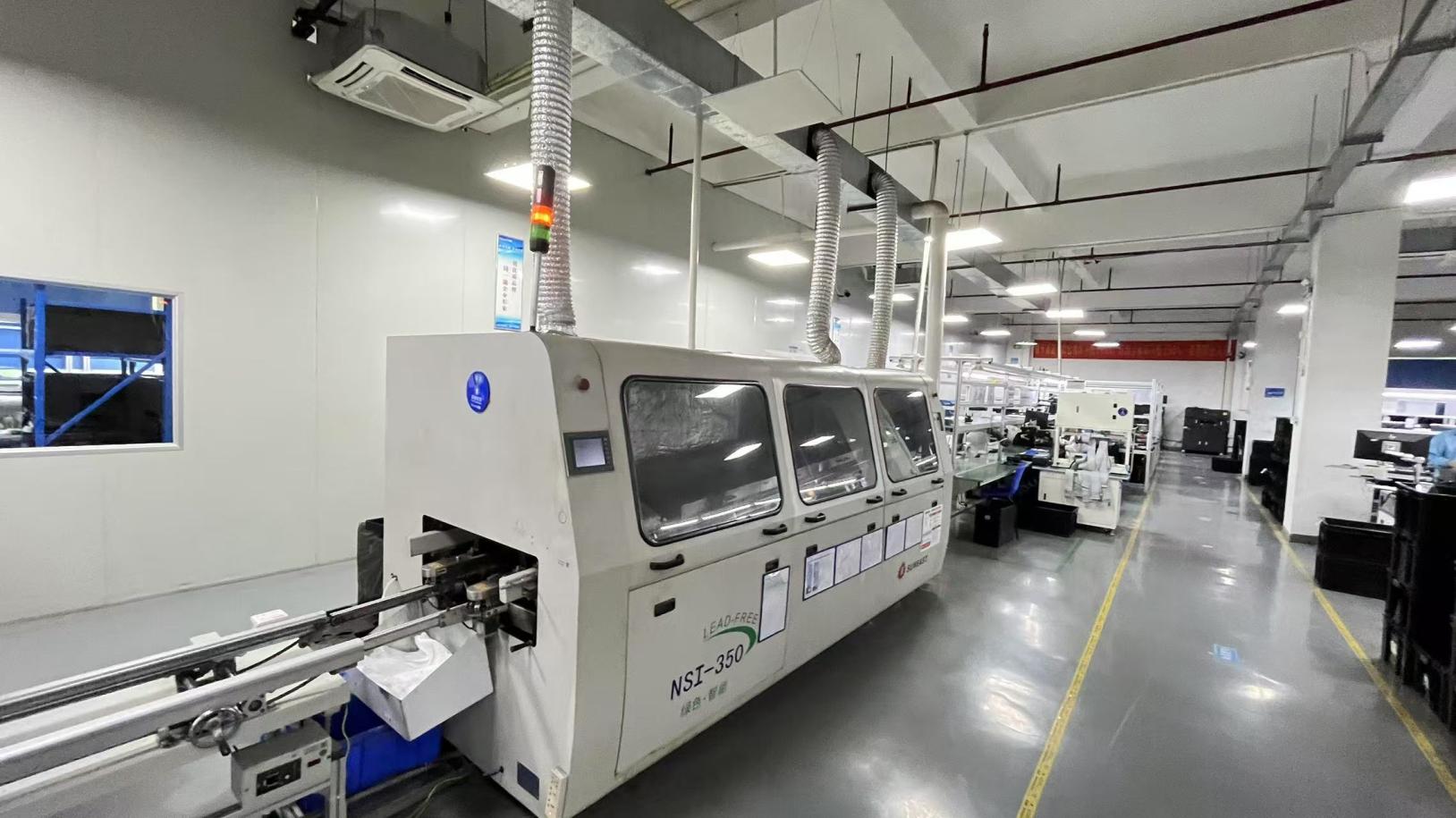
  • Cost Efficiency and Automation: By employing high-speed surface-mount technology (SMT) lines and reflow soldering machinery, Cynovex reduces manufacturing costs while improving quality control. This allows us to supply high-reliability products at competitive pricing.
  • Strict Biological and Physical Testing: Before dispatch, every shipment is subjected to environmental stress tests, thermographic analysis (to monitor heat levels at the p-n junction), and spectral measurements using integrating spheres to verify light output power.

High-Efficiency System Hardware & Thermal Assemblies

Essential components designed for high-power thermal control, processing stability, and circuitry integration within industrial sterilization systems.
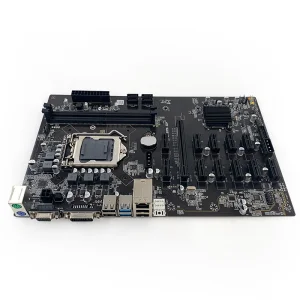
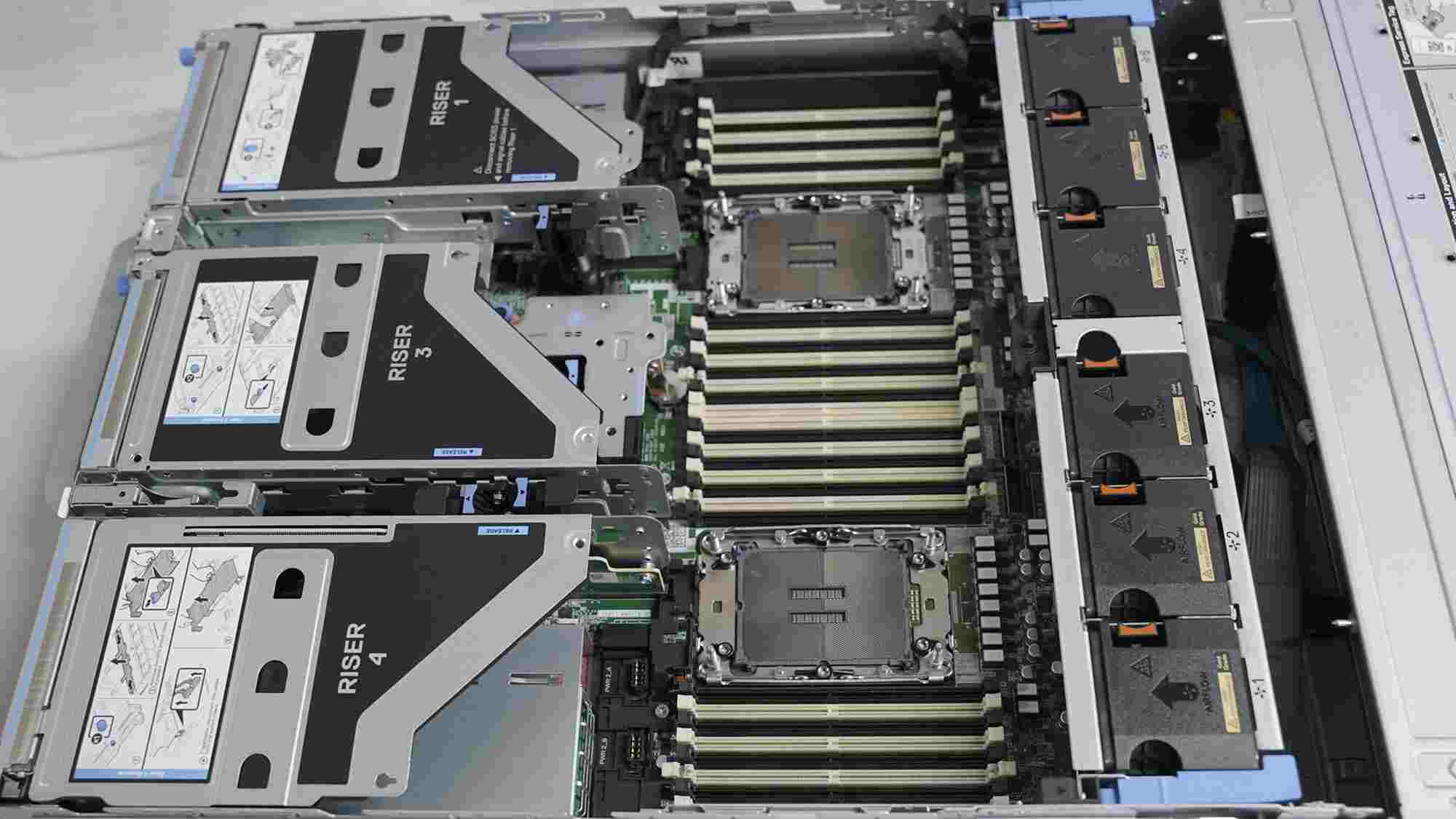
Smart UVC Disinfection Station Motherboard Controller
Learn More
UVC LED Module High-Power Thermal Management Copper Cooler
Learn More
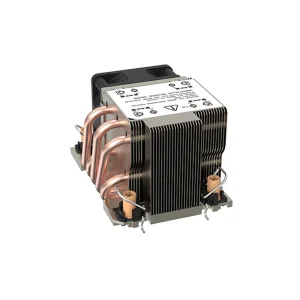
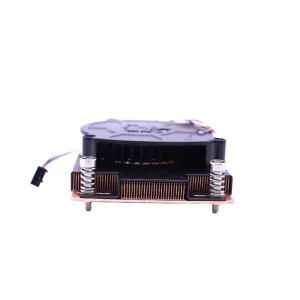
High-Efficiency Active Heat Sink for 300W UVC Sterilization Modules
Learn More
Server-Grade Memory for Municipal Water Purification Control Systems in Rajshahi
Learn More
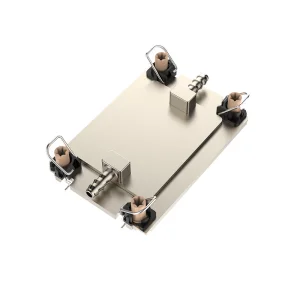
Liquid Cooling Block for Enterprise UVC Disinfection Modules
Learn More
DDR4 RAM Controller for Hospital-Grade UVC Air Purification Systems
Learn More
High-Speed RAM Module for Mobile UVC Disinfection Robots
Learn More
Aluminum PCB Substrate for High-Frequency UVC LED Array Assemblies
Learn More

Expert Q&A: UVC LED Application & Technology

A technical guide addressing performance, integration, and thermal management concerns for system engineers.

Q1: What is the optimal germicidal wavelength for UVC LED modules?
The peak germicidal absorption spectrum of DNA and RNA occurs between 260nm and 265nm. However, UVC LEDs operating within the 265nm to 275nm band offer a strong balance of sanitization efficiency and higher power output. The slight shift in wavelength does not significantly affect overall germicidal performance, and standard industrial systems often specify 270–275nm for optimal longevity and cost.
Q2: Why is thermal management critical for high-power UVC LEDs?
High-power UVC LEDs convert a significant amount of electrical energy into heat at the p-n junction. If the heat is not dissipated, the junction temperature increases, leading to a decrease in optical output power, wavelength shifts, and a shorter overall operating lifetime. Employing thermal management solutions, such as aluminum-clad PCBs or copper heat sinks, helps dissipate heat and keep the junction temperature within safe limits.
Q3: Can these modules be integrated into PLC-controlled municipal water systems in Rajshahi?
Yes, our UVC LED modules are designed with industrial integration in mind. By pairing them with our high-reliability driver PCBs, you can interface with standard industrial PLCs using Modbus, I2C, or analog signals. This enables real-time monitoring of current, temperature, and UV output intensity, which is essential for automated municipal systems.
Q4: What is the operating lifetime of a typical Cynovex UVC LED module?
When kept within optimal operating temperatures (junction temperature under 60°C), our high-quality AlGaN UVC LED modules achieve an L70 lifetime (time to 70% of original UV output) of 10,000 to 20,000 hours. Unlike mercury lamps, which degrade quickly under repeated on-off cycling, solid-state UVC LEDs support continuous cycling without impacting their overall lifespan.
Q5: How do UVC LED modules compare to traditional mercury vapor lamps?
UVC LEDs offer several advantages over mercury vapor lamps: they contain no hazardous mercury, require no warm-up time, and operate on low DC voltages, making them suitable for battery-powered or solar-integrated applications. Their compact footprint also allows for integration into space-constrained environments, such as flow-through water chambers, compact air vents, or medical tools.

Ready to Engineer Your Custom UVC Disinfection Solution?

Get in touch with Cynovex Semiconductor's technical sales team. We provide complete layout engineering, thermal modeling, optical simulations, and custom manufacturing to support your projects in Rajshahi and international markets.

Send Inquiry Now