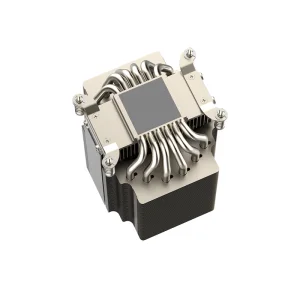
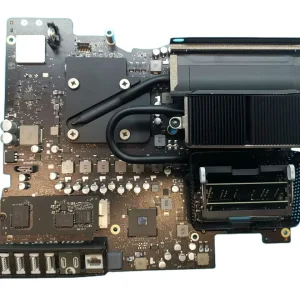
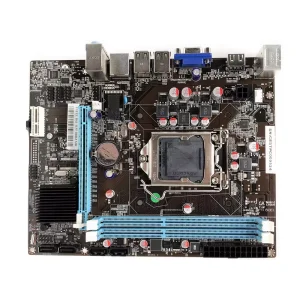
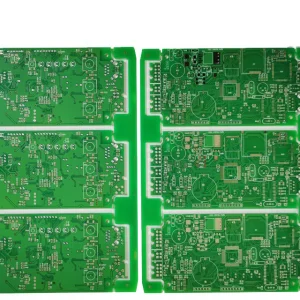
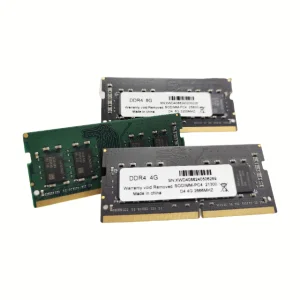
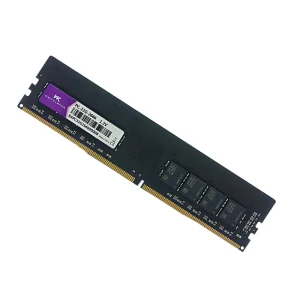
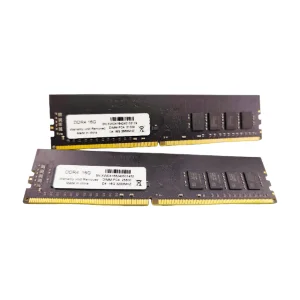
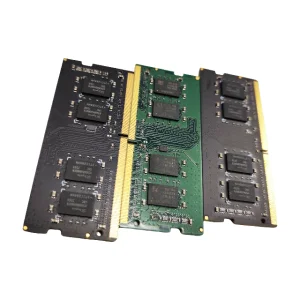
Explore our cutting-edge motherboard systems, advanced PCB layers, memory kits, and cooling frameworks engineered for ultimate audio performance and system stability.
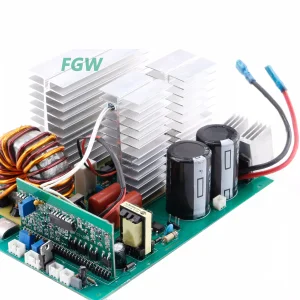
Demystifying the critical interfaces between modern digital processing, high-frequency circuits, and clean audio delivery.
The modern audio amplification landscape is undergoing a significant transformation. Traditional analog systems are increasingly giving way to software-defined, networked, and highly efficient Class-D topologies. As global demand for ultra-high-definition audio grows across consumer, commercial, and automotive verticals, the requirements for the underlying electronics have become exceptionally demanding. Today’s audio amplifiers are no longer just basic gain stages; they are sophisticated computing platforms integrating digital signal processing (DSP), high-speed networking, and high-frequency switching circuits.
At the center of this technological shift is the requirement for clean signal transmission and high thermal efficiency. Because Class-D amplifiers operate by converting incoming audio signals into high-frequency pulse-width modulated (PWM) waves, the design of the printed circuit board (PCB) and the choice of processing components are critical. Any high-frequency signal degradation or thermal instability directly impacts sound quality, manifesting as increased Total Harmonic Distortion + Noise (THD+N) or reduced dynamic range. This is why top suppliers utilize advanced materials, such as Rogers and high-Tg FR4 boards, to manage thermal loads and prevent electromagnetic interference (EMI).
Moreover, the integration of smart home networks, streaming protocols, and multichannel setups requires onboard computing cores to manage low-latency buffers and digital-to-analog converters (DACs). Memory architectures, including high-speed DDR4 and DDR5 RAM, have become essential in digital audio hubs to ensure uninterrupted playback and jitter-free signal decoding. By analyzing these components, this whitepaper explores how China's advanced manufacturing capabilities are driving high-fidelity audio engineering on a global scale.
A look at the manufacturing standards and high-reliability SMT facilities that supply global electronic markets.
Founded in 2016, Cynovex Semiconductor Co., Ltd. is a professional manufacturer specializing in high-performance DDR5 memory solutions for industrial, commercial, enterprise, and consumer applications. With a strong focus on innovation, quality, and reliability, Cynovex delivers advanced DRAM products that meet the evolving demands of global customers.
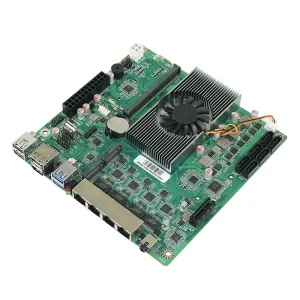
Operating from a modern manufacturing facility covering 18,600 m², the company integrates R&D, production, quality control, and international sales under one roof. Supported by an experienced engineering team and advanced manufacturing processes, Cynovex provides stable, high-speed memory products with consistent performance. This robust electronic engineering capability extends to the design and optimization of high-speed motherboard controllers, DSP units, and power stages used in professional audio systems.
Our annual export revenue exceeds USD 28 million, supported by 8 years of international export experience and 10 years of industry expertise. Every product undergoes rigorous quality assurance using 100% functional testing, burn-in testing, compatibility testing, signal integrity testing, and aging tests. A dedicated team of 56 quality inspectors ensures that every shipment meets strict international quality standards.
As an experienced OEM & ODM manufacturer, Cynovex serves customers across North America, Europe, Southeast Asia, the Middle East, South America, and Oceania. We maintain long-term partnerships with more than 1,150 supply chain partners, enabling stable material sourcing and efficient production.
Our primary customers include brand owners, distributors, wholesalers, system integrators, industrial equipment manufacturers, and e-commerce retailers. Backed by a strong independent R&D capability, we offer comprehensive customization services, including private labeling, logo printing, packaging customization, firmware optimization, capacity selection, and performance tuning. In the past year, Cynovex successfully launched 138 new products, supported by a professional R&D team of 94 engineers dedicated to developing next-generation high-speed processing and storage architectures.
Analyzing key technologies driving high-performance audio systems, from Gallium Nitride (GaN) switching to high-speed digital streaming networks.
Gallium Nitride (GaN) field-effect transistors (FETs) are replacing traditional silicon MOSFETs. Operating at higher switching frequencies with lower losses, they deliver exceptionally low distortion and high thermal efficiency in compact Class-D designs.
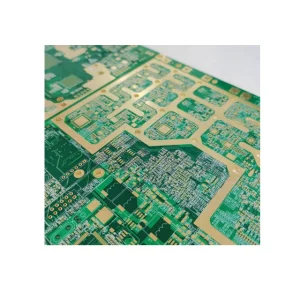
Multi-layer high-frequency Rogers PCBs and high-Tg FR4 substrates ensure stable signal pathways. These advanced board materials prevent cross-talk and maintain dimensional stability under high operating temperatures.
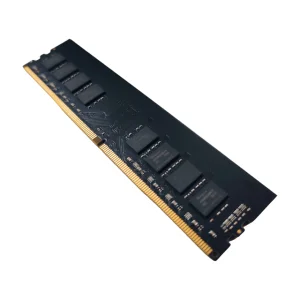
Modern audio matrices and streaming servers utilize advanced memory modules (like DDR4/DDR5) to manage high-definition, uncompressed audio packages, preventing timing jitter and packet loss during live transmission.
How specialized amplification systems adapt to the unique operating requirements of different markets and industries.
In airports, high-speed rail terminals, and corporate complexes, audio distribution systems require continuous operation. Amplifiers deployed in these settings are paired with multi-channel DSP boards and high-efficiency heatsinks to manage heat. In these demanding commercial environments, system components must resist voltage fluctuations and heat build-up while maintaining clean, intelligible audio for critical safety announcements.
The transition toward electric vehicles (EVs) has altered the requirements for automotive audio systems. Amplifiers must be compact, lightweight, and highly efficient to preserve battery range. These systems rely on high-frequency PCBs and space-saving surface-mount designs to fit within vehicle dashboards. Additionally, they must handle a wide range of temperatures and road vibration while delivering clean power to multi-speaker cabin arrays.
Concert halls, dynamic theaters, and stadiums require high-output amplifiers capable of delivering thousands of watts per channel. To maintain stability at these output levels, hardware designs utilize active water-cooling plates and high-density copper fins. Signal paths are optimized using multi-layer PCBs to prevent signal degradation over long distances, ensuring consistent audio quality even under heavy continuous loads.
Understanding the industrial clusters, testing infrastructure, and logistics networks that support rapid product delivery.
The efficiency of China’s electronics supply chain is built on specialized industrial clusters, advanced testing procedures, and robust logistics infrastructure. In manufacturing hubs like Shenzhen and the Pearl River Delta, components ranging from basic passives to advanced multi-layer PCBs and processors are sourced locally. This proximity simplifies the sourcing process, shortens product development cycles, and enables manufacturers to transition rapidly from design to scale production.
For global buyers, this ecosystem offers significant advantages:
A look at the testing protocols and certifications that ensure electronic components meet global standards.
Reliability is critical when deploying electronics in commercial and industrial settings. Top manufacturers implement multi-stage quality control protocols throughout the production lifecycle to verify performance and ensure compliance with global standards.
Crucial testing stages include:
Answers to common questions regarding electronic manufacturing, PCB specifications, and component sourcing.
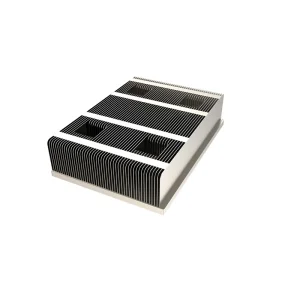
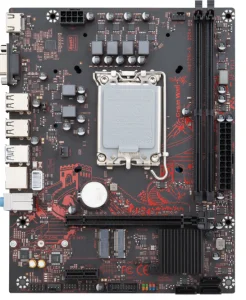
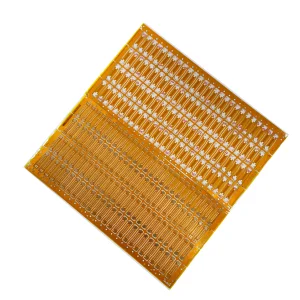
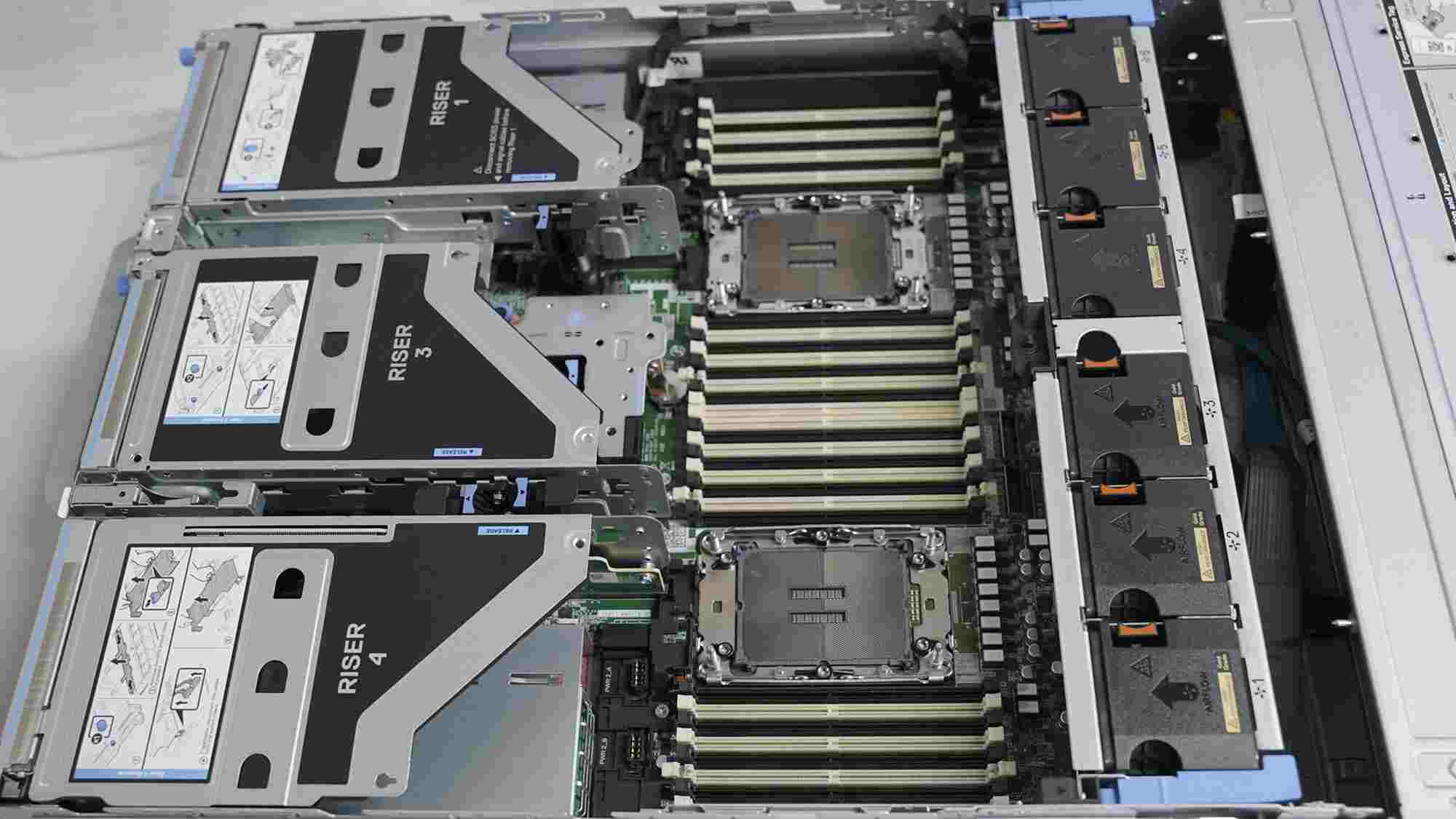
Explore our selection of heatsinks, motherboards, memory modules, and flexible PCB interconnects designed for demanding electronic designs.
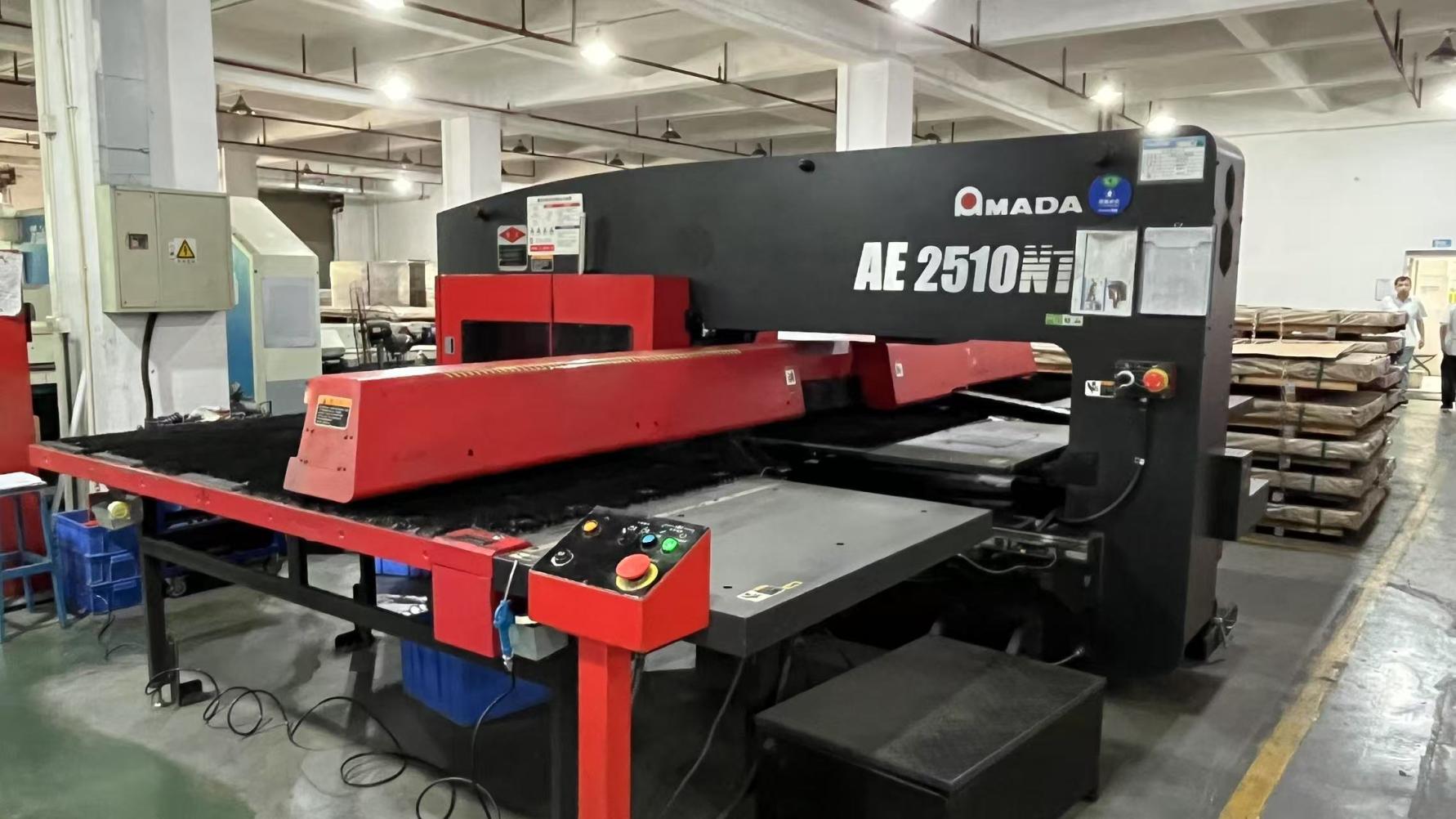
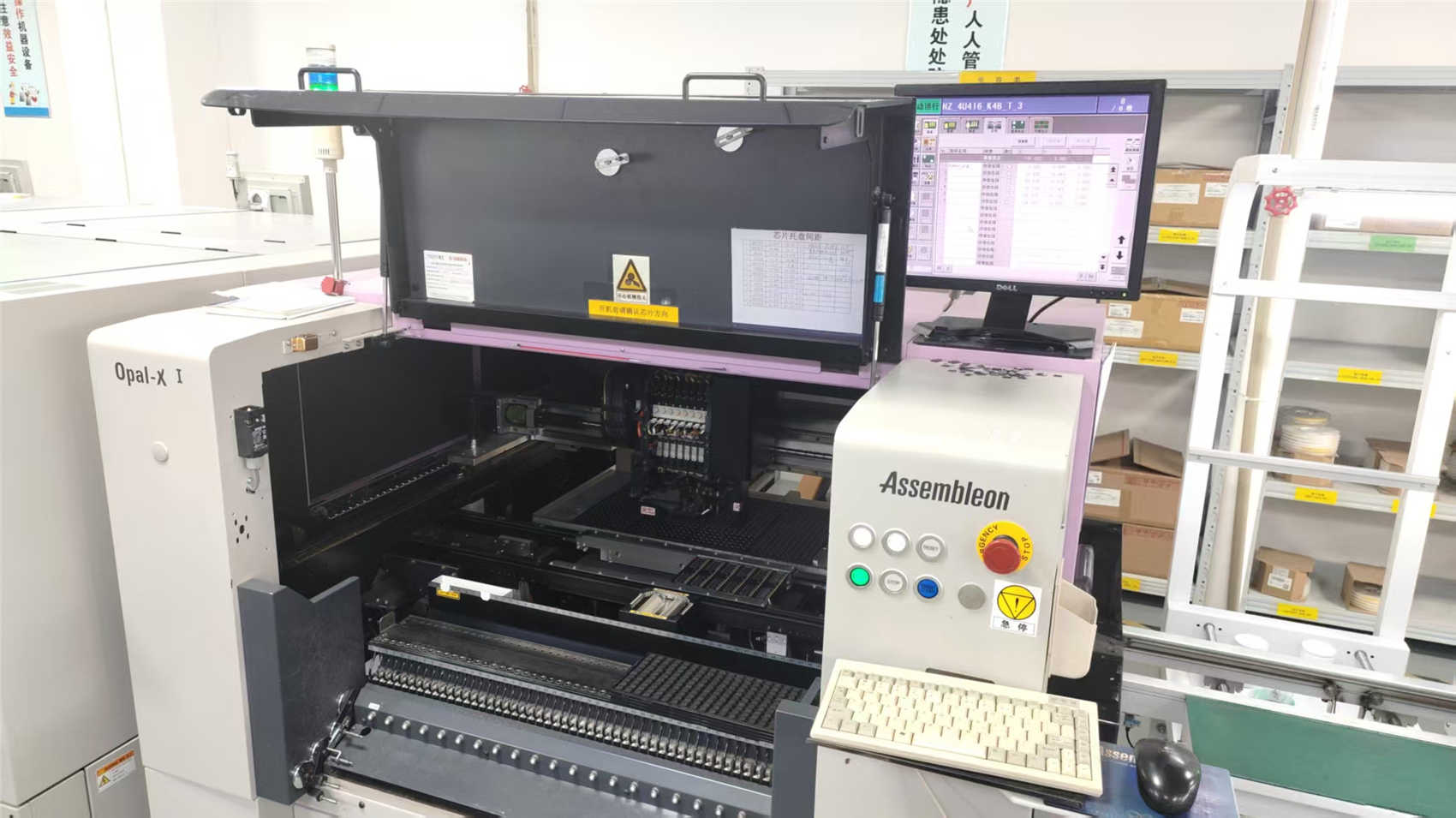
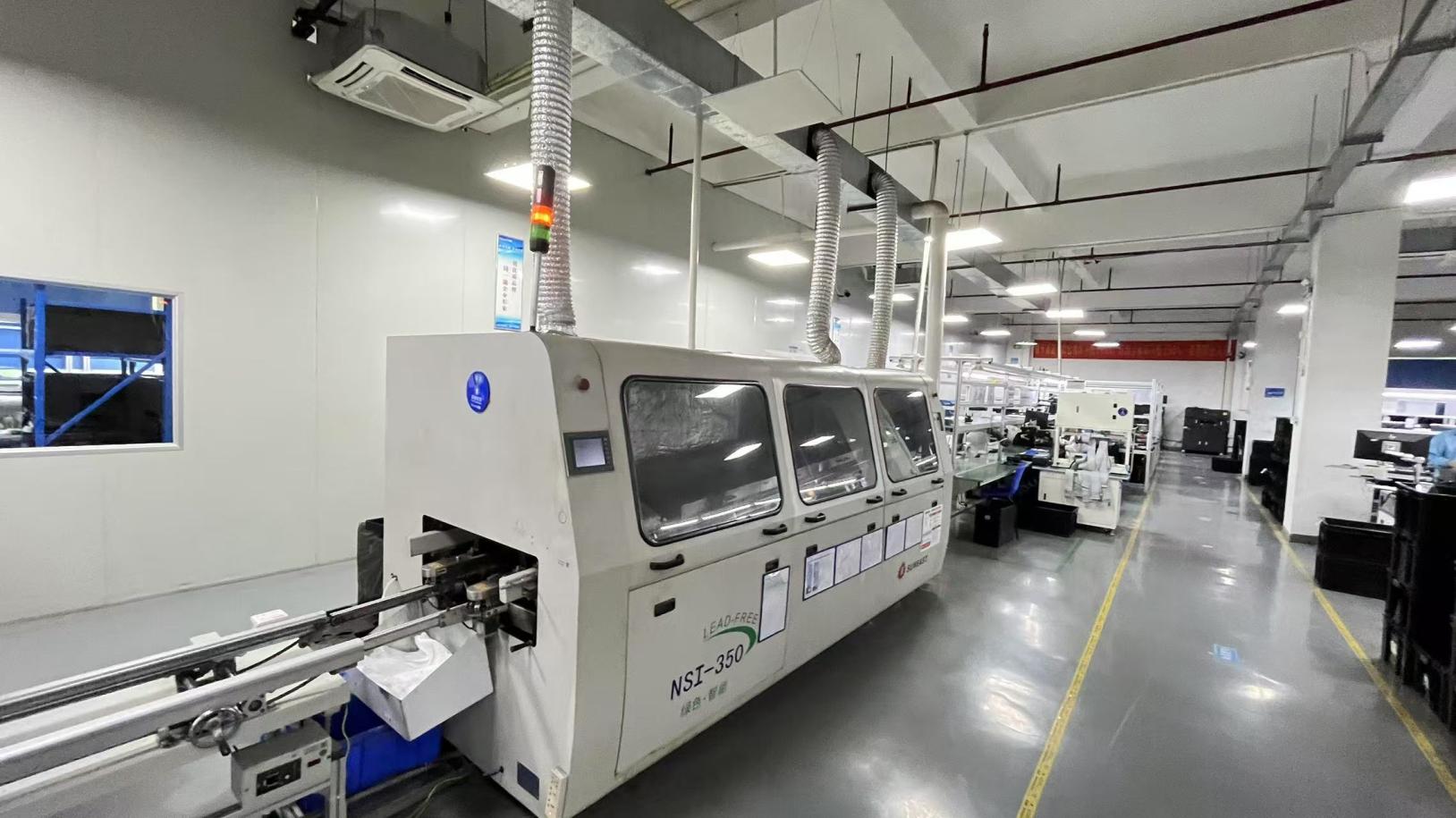
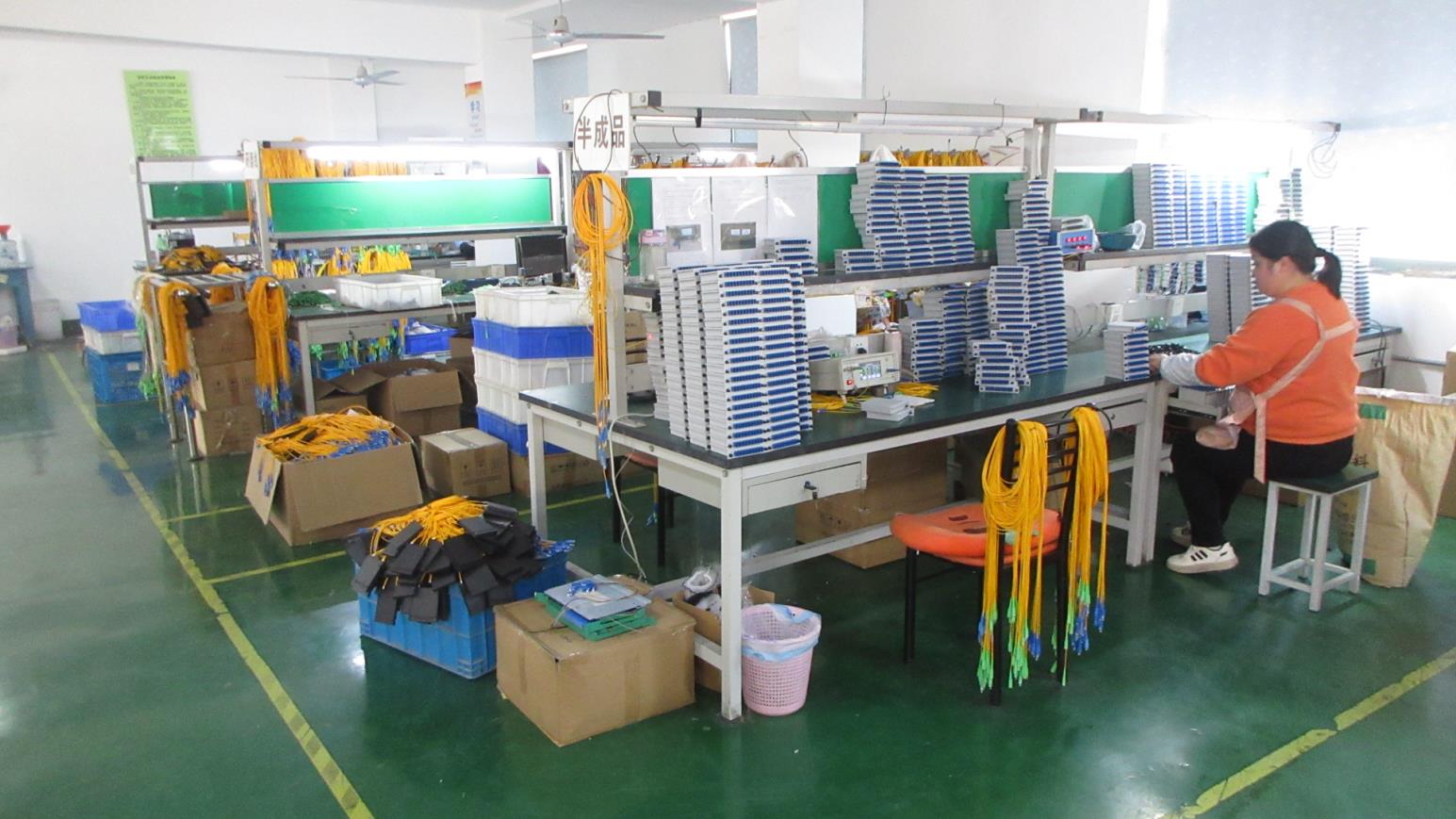
A view into our high-precision assembly lines, automated SMT setups, and quality control offices.
 Cynovex