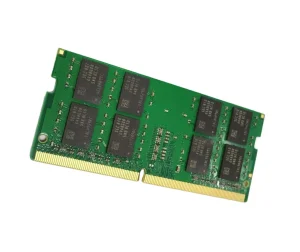
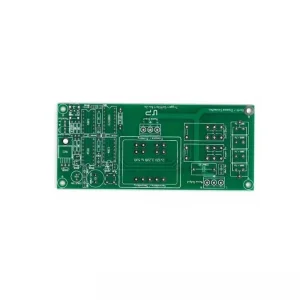
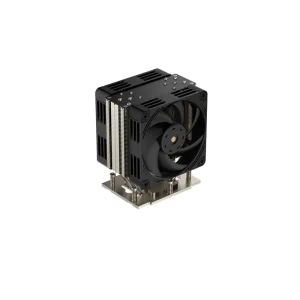
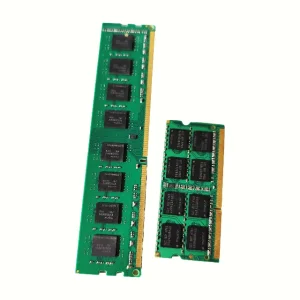
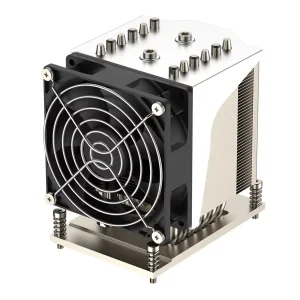
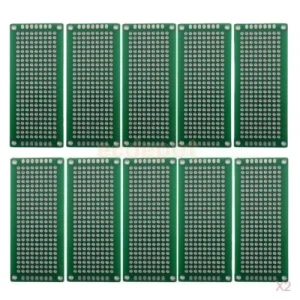
Explore our primary array of high-reliability interconnect components, high-speed RAM assemblies, motherboards, and server heating radiators manufactured under strict aerospace & industrial quality guidelines.
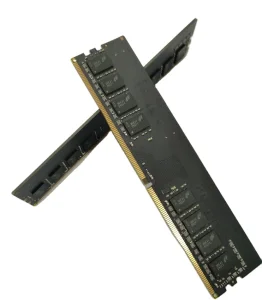
Printed Circuit Boards (PCBs) act as the central nervous system of modern industrial, automotive, computing, and telecommunication hardware. As computational workloads escalate due to AI model training, enterprise cloud networking, and high-frequency edge computing, the global demand for advanced substrates is shifting rapidly toward High-Density Interconnect (HDI) structures, multi-layer rigid-flex materials, and specialized substrates featuring low dielectric loss.
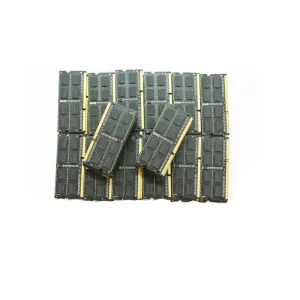
Modern layouts demand signal integrity at speeds exceeding 32 GT/s. Advanced FR4 substrates combined with low-loss PTFE or polyimide layers prevent trace-to-trace crosstalk and maintain matched impedance control, critical for DDR5 RAM architectures and PCIe Gen 5 configurations.
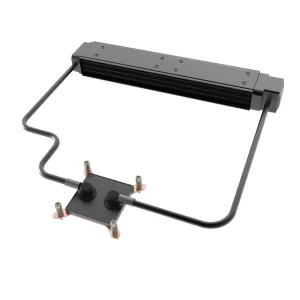
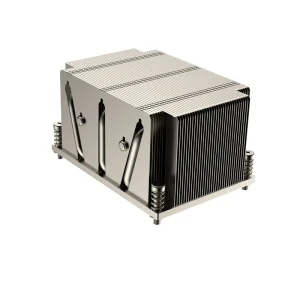
With processors dissipating 300W to 450W, the physical PCB acts as a primary heat spreader. Integrating heavy copper traces (up to 3oz or more), thick thermal vias, and specialized metal-core backing matches the performance of high-power server coolers and liquid cooling manifolds.
Global standards mandate rigorous materials vetting. Standardizing on Lead-Free HASL, ENIG (Electroless Nickel Immersion Gold), and OSP finishes ensures compliance with international RoHS/WEEE frameworks, extending storage lifetimes and enhancing solder joint reliability.
China's PCB fabrication ecosystem offers unparalleled advantages in industrial clustering, quick-turn prototyping speed, and end-to-end component sourcing. Unlike localized assembly shops elsewhere, the South China electronics manufacturing corridor integrates raw material manufacturing (copper-clad laminates, glass fiber, epoxy resin) with high-speed automated SMT lines and sophisticated testing infrastructure under single corporate structures.
This integration eliminates logistics delays and mitigates sourcing risks. The proximity to passive components, dynamic RAM chips, microprocessors, and custom-extruded aluminum heat sinks means a turnkey OEM/ODM system design can move from CAD routing validation to mass production in days rather than weeks.
Furthermore, China manufacturers employ the latest industrial equipment: Laser Direct Imaging (LDI) for sub-mil trace precision, automated optical inspection (AOI), 3D X-ray systems for blind/buried via verification, and rigorous burn-in chambers to filter out infant mortality failures before shipment.
| Parameters | Standard Capability | Advanced / Enterprise Capability |
|---|---|---|
| Layer Count Range | 2 - 16 Layers | Up to 64 Layers (Rigid, Rigid-Flex, HDI) |
| Min Trace Width/Spacing | 3.5 mil / 0.089 mm | 2.0 mil / 0.050 mm (Laser LDI) |
| Base Material Categories | Standard FR4 (Tg130-140) | High-Tg FR4, Rogers, Nelco, Polyimide |
| Surface Treatment Options | HASL, Lead-Free HASL | ENIG, ENEPIG, Immersion Silver, OSP |
| Impedance Control Tolerance | ±10% | ±5% (Specialized Impedance Coupons) |
Founded in 2016, Cynovex Semiconductor Co., Ltd. is a professional manufacturer specializing in high-performance DDR5 memory solutions for industrial, commercial, enterprise, and consumer applications. With a strong focus on innovation, quality, and reliability, Cynovex delivers advanced DRAM products that meet the evolving demands of global customers.
Operating from a modern manufacturing facility covering 18,600 m², the company integrates R&D, production, quality control, and international sales under one roof. Supported by an experienced engineering team and advanced manufacturing processes, Cynovex provides stable, high-speed memory products with consistent performance.
Our annual export revenue exceeds USD 28 million, supported by 8 years of international export experience and 10 years of industry expertise. Every product undergoes rigorous quality assurance using 100% functional testing, burn-in testing, compatibility testing, signal integrity testing, and aging tests. A dedicated team of 56 quality inspectors ensures that every shipment meets strict international quality standards.
As an experienced OEM & ODM manufacturer, Cynovex serves customers across North America, Europe, Southeast Asia, the Middle East, South America, and Oceania. We maintain long-term partnerships with more than 1,150 supply chain partners, enabling stable material sourcing and efficient production.
Our primary customers include brand owners, distributors, wholesalers, system integrators, industrial equipment manufacturers, and e-commerce retailers. Backed by a strong independent R&D capability, we offer comprehensive customization services, including private labeling, logo printing, packaging customization, firmware optimization, capacity selection, and performance tuning.
In the past year, Cynovex successfully launched 138 new products, supported by a professional R&D team of 94 engineers dedicated to developing next-generation DDR5 memory solutions and associated PCBA motherboard architectures.
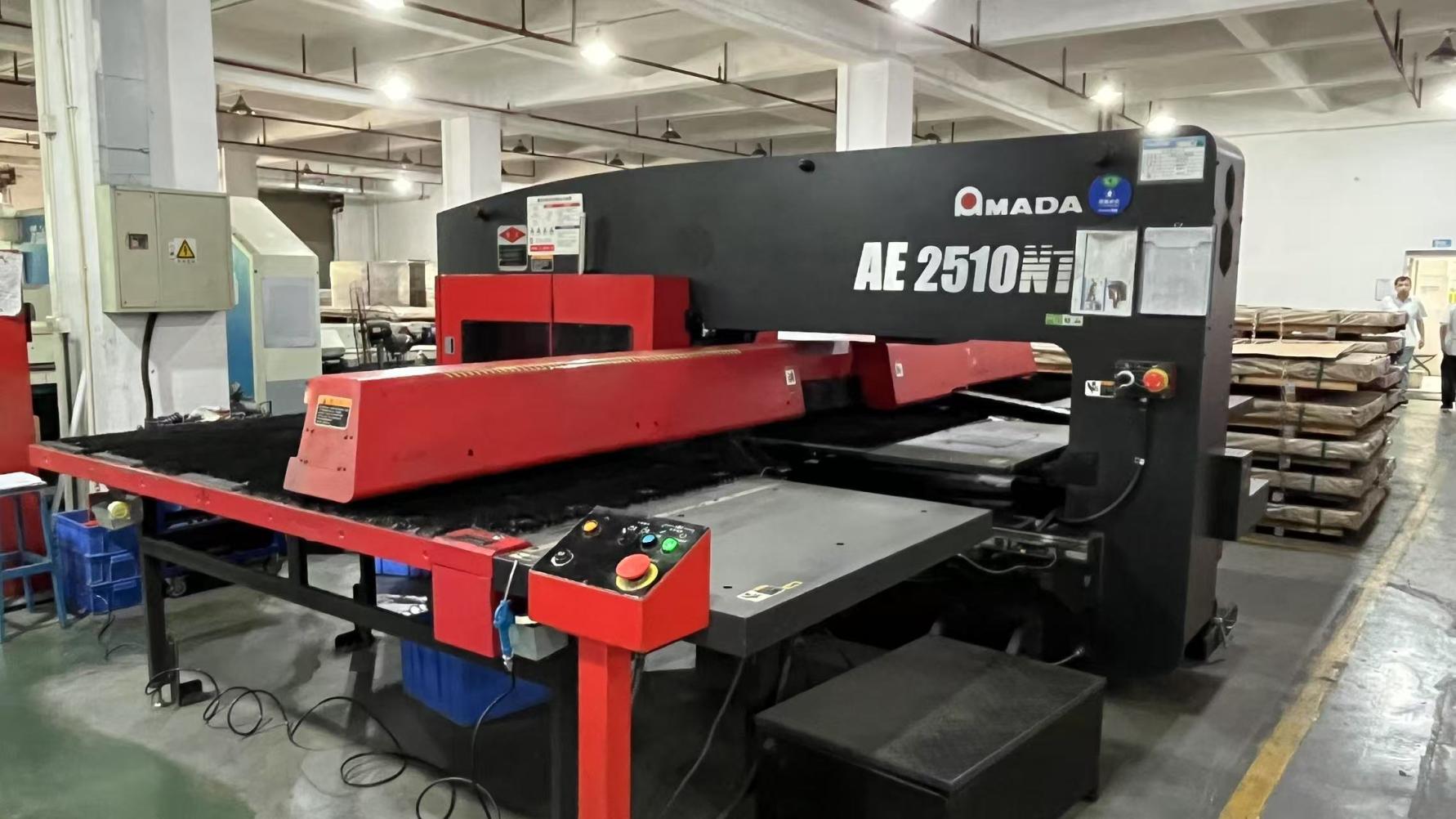
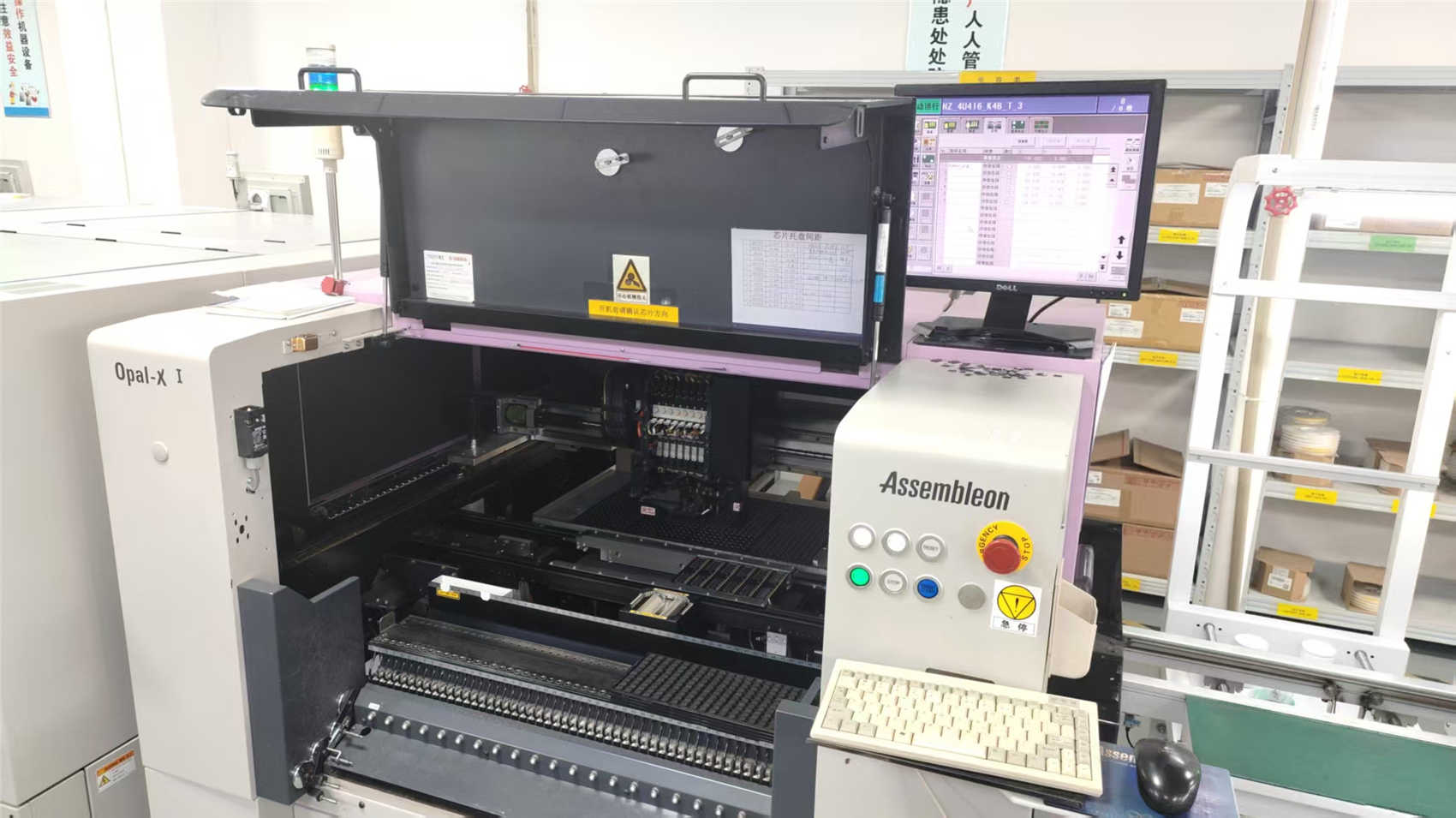
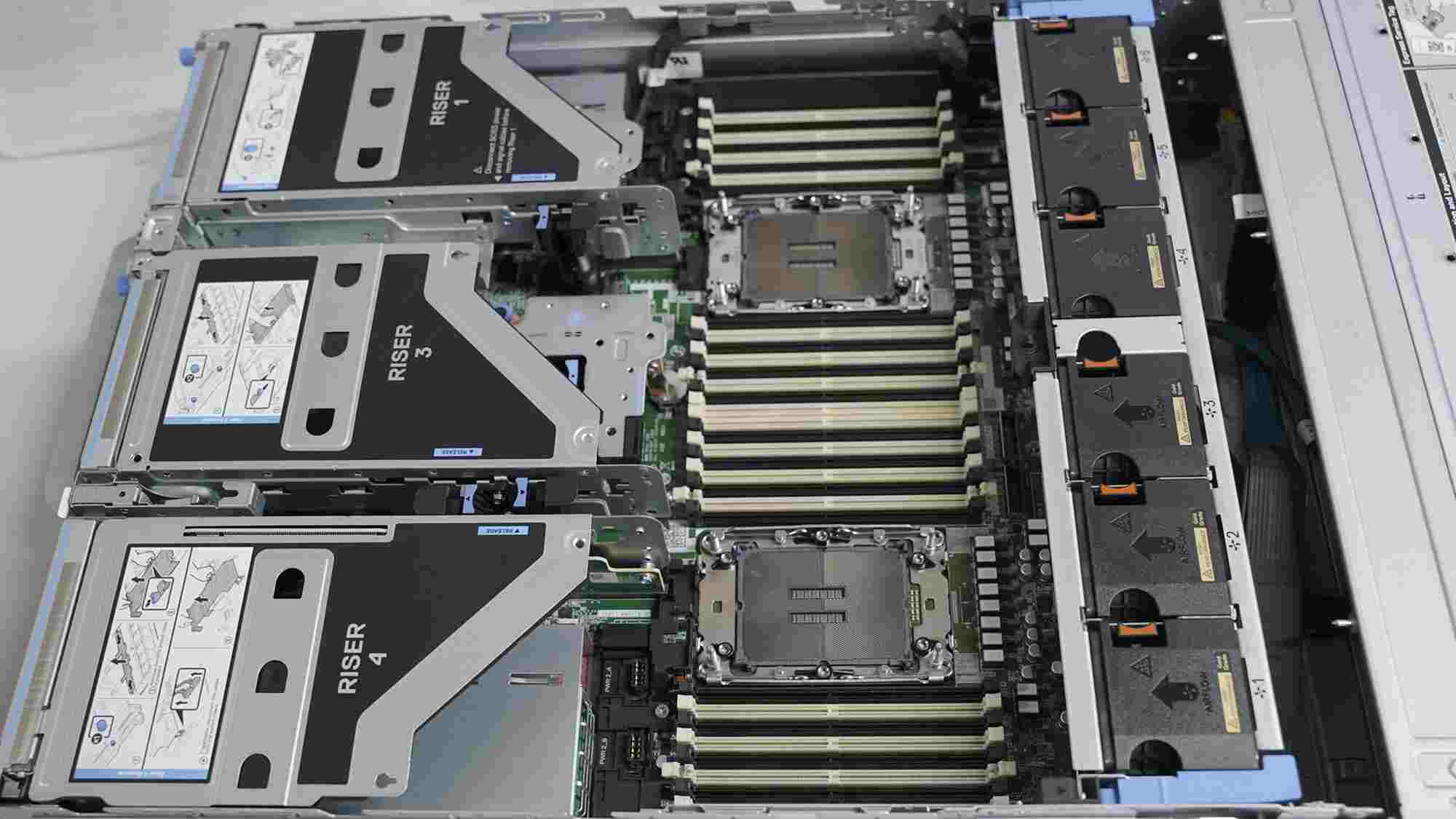
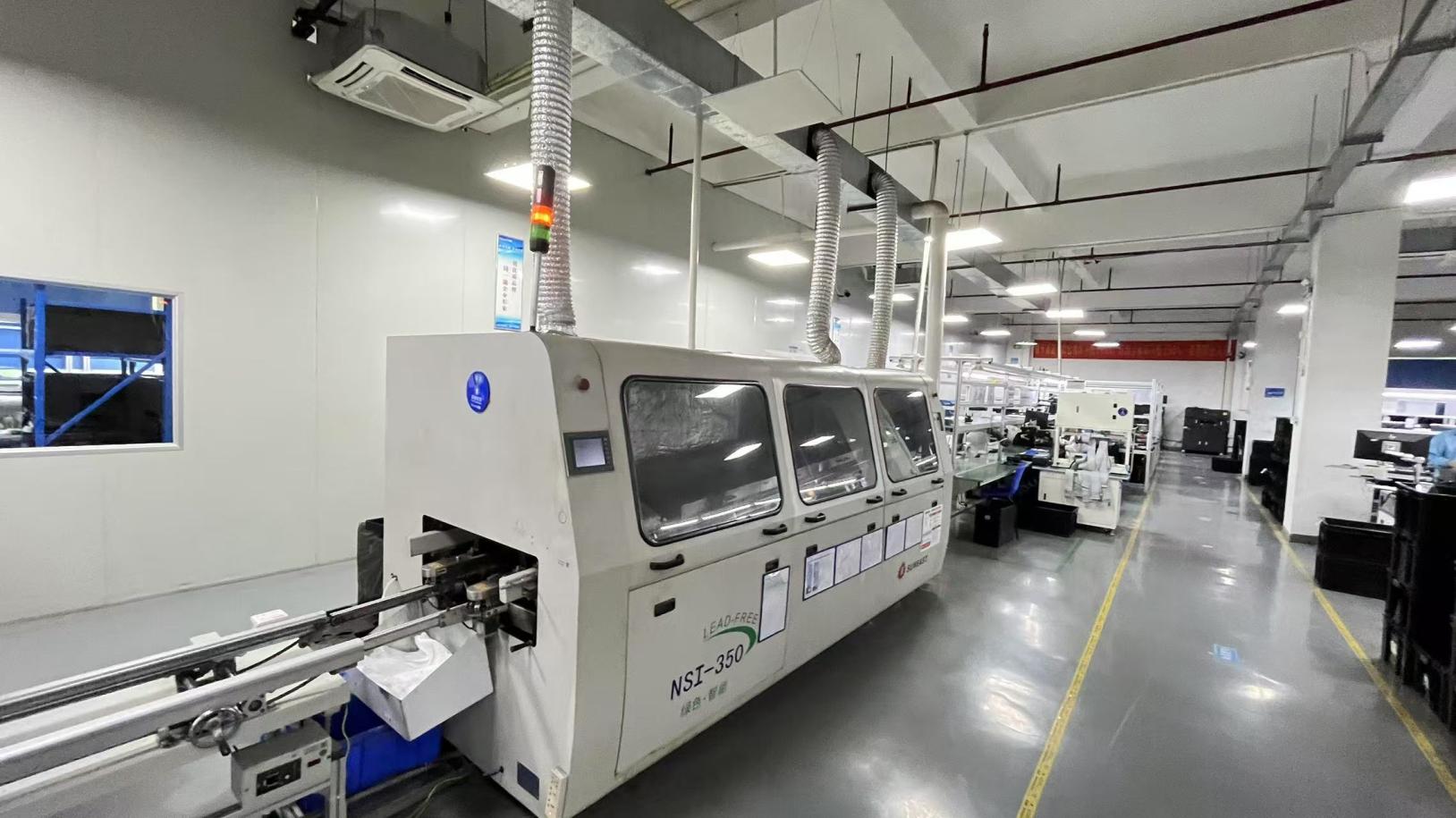
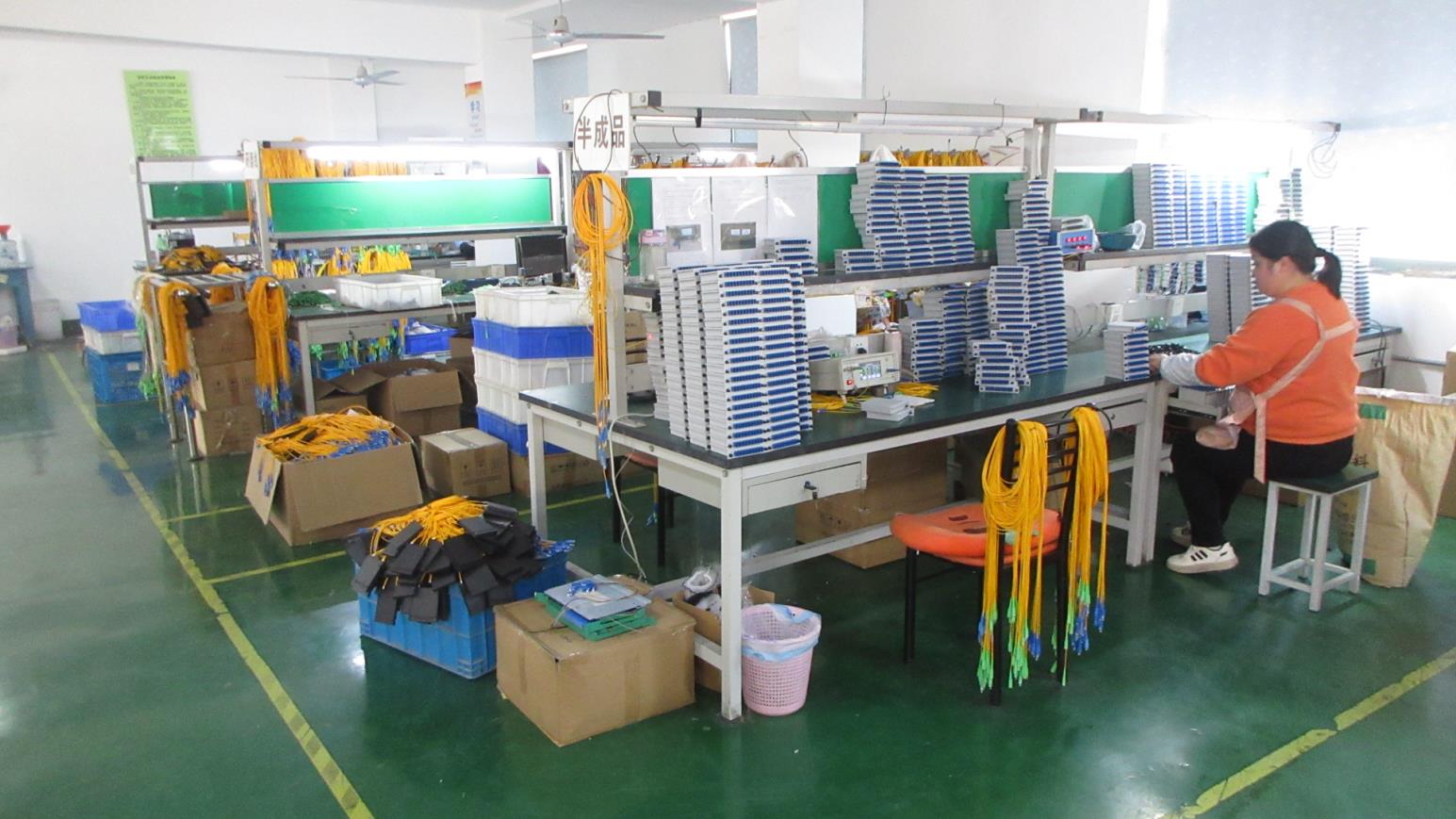
Procuring high-quality PCBs and complex assemblies requires aligning with suppliers who understand the exact environmental, physical, and computational stresses your hardware will face. Below are the primary sectors we serve with specialized board structures.
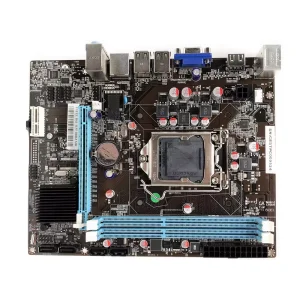
High-layer count multi-layer PCBs serve as motherboards for multi-socket CPU systems and RAM configurations. These require ultra-low dielectric losses (Dk/Df) to sustain continuous data throughput without signal distortion, combined with advanced thermal radiators capable of handling 300W-400W+ heat outputs.
Heavy copper PCBs and robust FR4 audio/decoder circuit boards operate reliably inside factories where electrical noise, physical vibration, and thermal cycling are persistent. Our production lines optimize copper distribution on every layer to ensure uniform thermal expansion.
From thin laptop memory modules to standard motherboard form factors, consumer applications demand low production costs combined with long-term reliability. We implement lead-free, HASL surface finishes and 100% automated electrical testing to maintain low cost-per-unit at massive volumes.
Get comprehensive answers to high-intent engineering questions regarding impedance control, cost drivers, quality protocols, and cooling integrations.
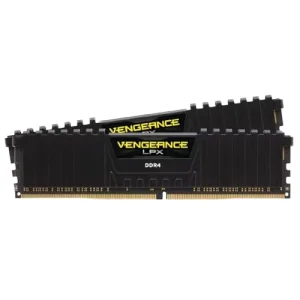
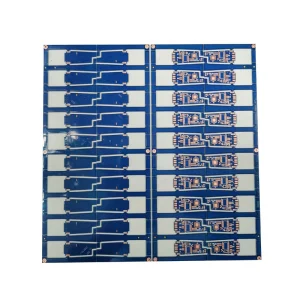
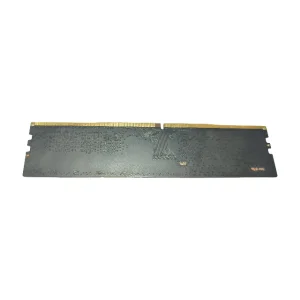
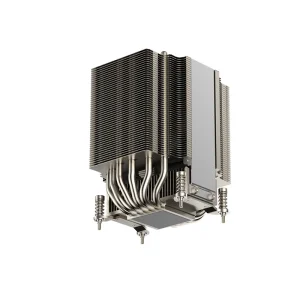
Review our high-density memory modules, server active heatsinks, and double-sided multi-layer PCB boards engineered for the most demanding enterprise network configurations.
 Cynovex