As Seattle continues to solidify its position as a global leader in biotechnology and cloud computing, the demand for high-reliability sterilization technology has shifted from traditional mercury lamps to Solid-State UVC LED technology. The 260nm to 270nm wavelength range represents the "Sweet Spot" of germicidal efficacy, aligning perfectly with the peak absorption spectrum of DNA and RNA in pathogens like SARS-CoV-2, E. coli, and MRSA.
Our factory serves the Seattle metropolitan area—from the research labs in South Lake Union to the aerospace facilities in Everett and Renton—by providing the 3535 ceramic packaging UVC LED. This specific form factor (3.5mm x 3.5mm) is the industry standard for high-power density, offering the thermal dissipation required for the rainy, humid environments of the Pacific Northwest where HVAC mold prevention and water purification are critical.
Seattle’s unique industrial mix creates specific requirements for UVC LED implementation. We don't just ship components; we provide solutions tailored for King County’s regulatory environment and climate.
Given the emphasis on clean water in Washington State, our 260nm-270nm LEDs are integrated into POU (Point-of-Use) systems for Seattle homes and commercial buildings. The 3535 package allows for compact integration into flow-through reactors without the heat-soak issues of larger packages.
In the South Lake Union biotech corridor, maintaining sterile environments in cleanrooms and labs is paramount. Our high-irradiance UVC LEDs provide surface disinfection for sensitive equipment where chemical sprays might cause corrosion.
Seattle’s heritage in aviation means rigorous standards. Our LEDs are utilized in aircraft lavatories and cabin air circulation systems, meeting the strict weight and power efficiency requirements of modern aerospace engineering.
The transition from AlGaN (Aluminum Gallium Nitride) thin-film growth to advanced flip-chip structures has revolutionized the 3535 UVC LED factory output. Here is how our R&D team in partnership with global experts is pushing the boundaries:
As a premier 260nm-270nm 3535 UVC LED factory based in the global semiconductor manufacturing hub, Cynovex Semiconductor Co., Ltd. provides the critical bridge between high-volume efficiency and local Seattle engineering precision.
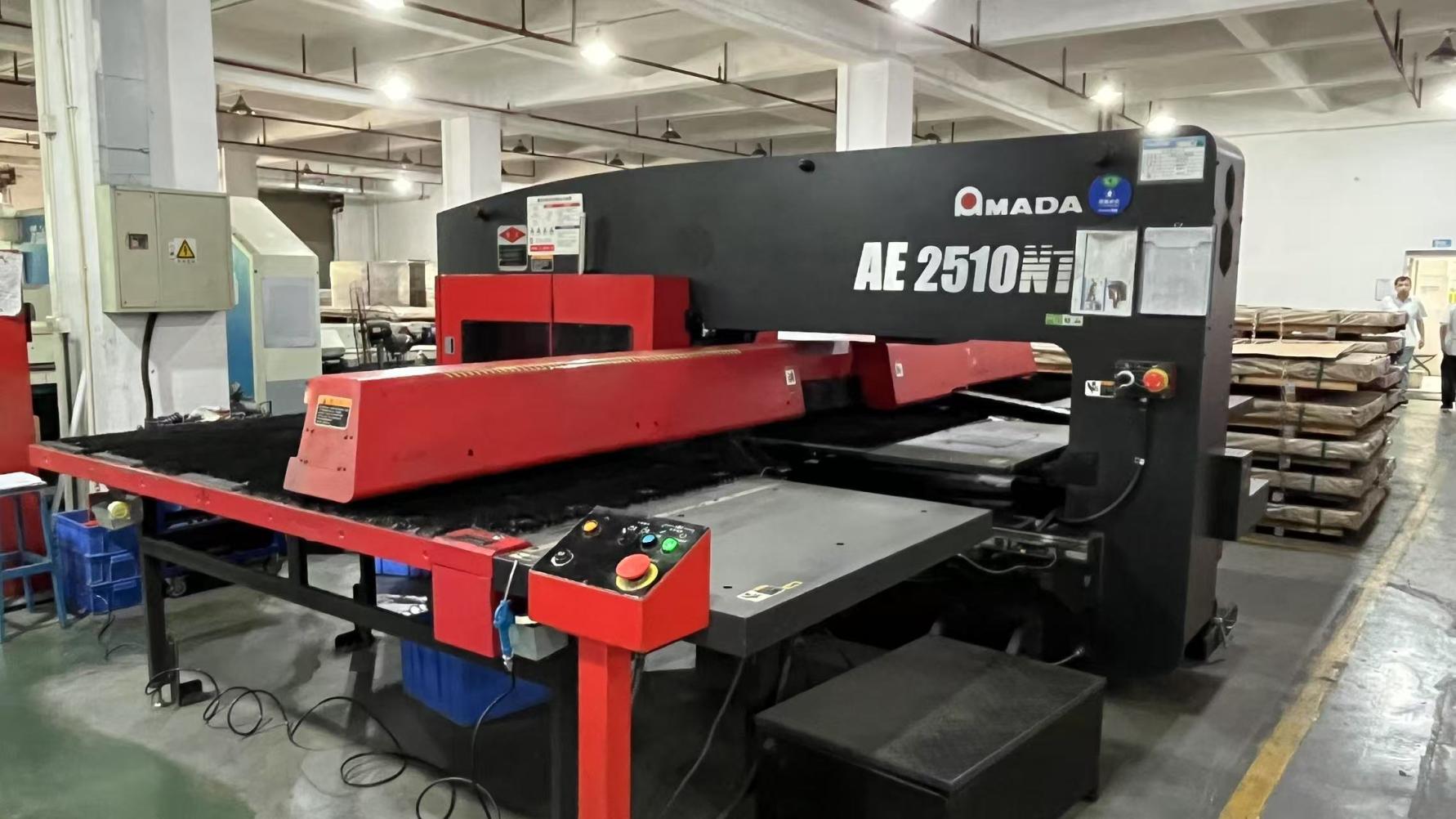
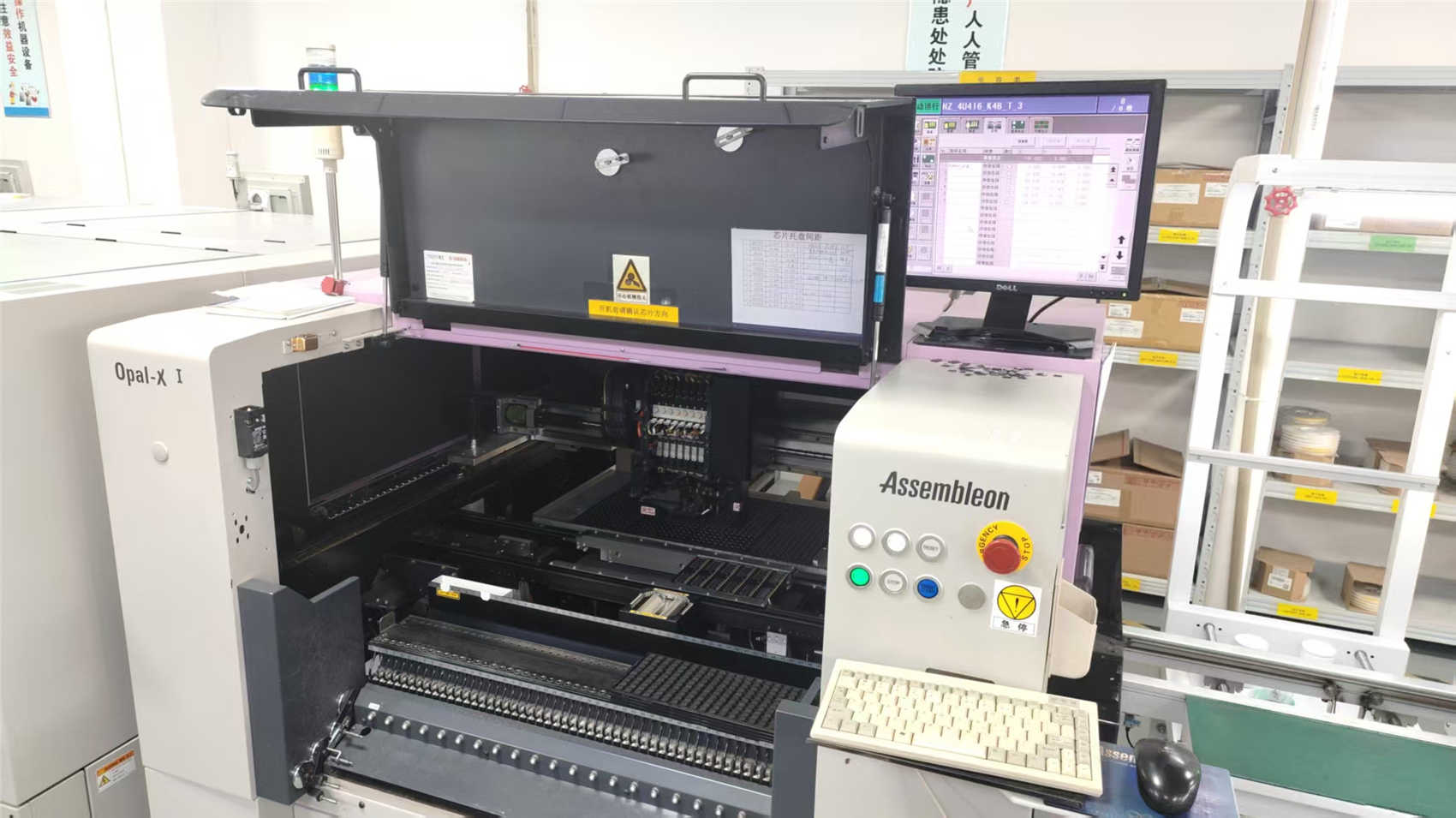
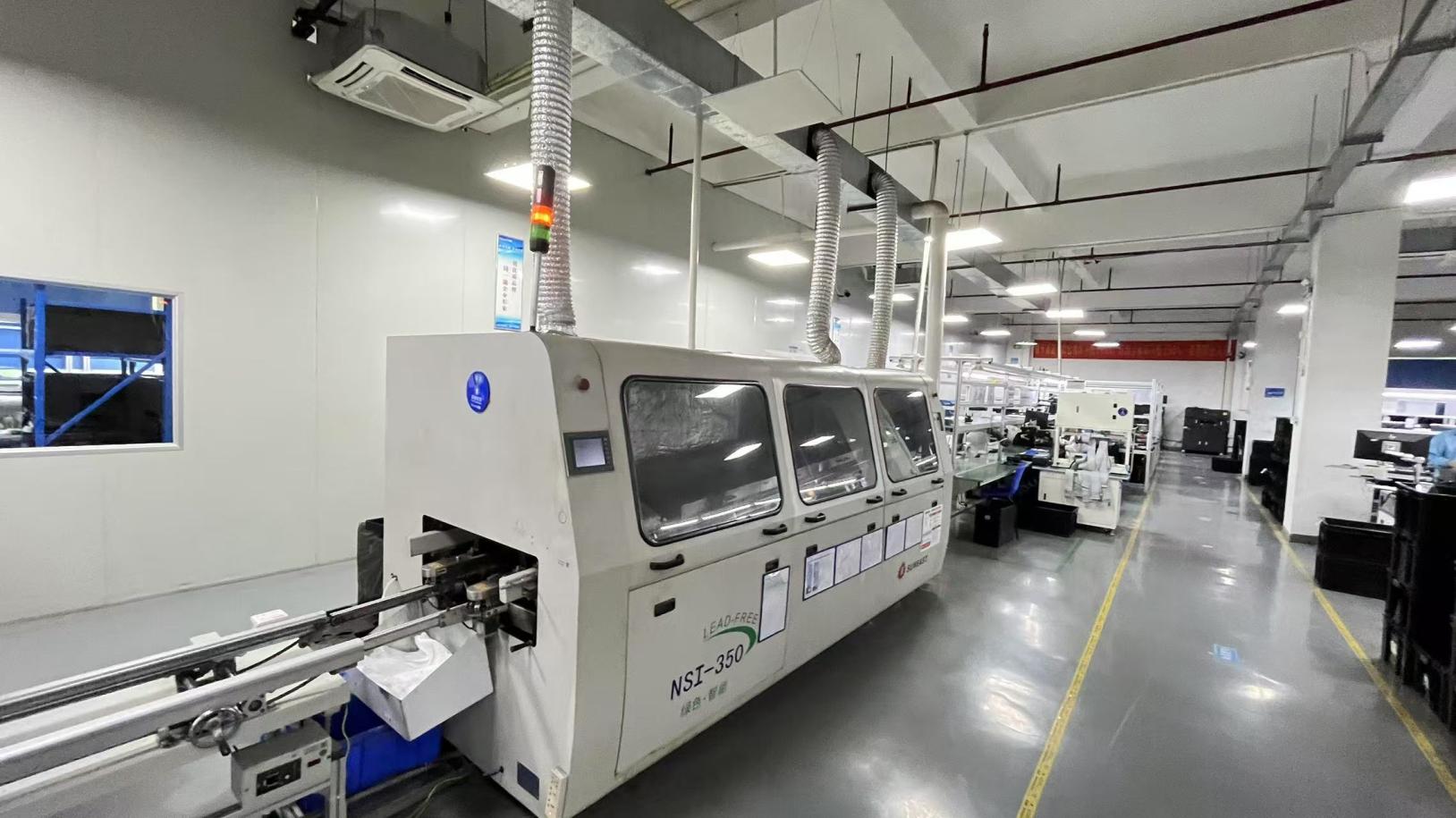
Our 18,600 m² facility and 1,150+ supply chain partners ensure that even during global logistics fluctuations, your Seattle-based production line remains active. We offer:
Navigating the regulatory landscape in Washington State (including EPA and FDA guidelines for disinfection devices) requires a partner with deep technical documentation. Cynovex provides comprehensive IES LM-80 reports, RoHS certification, and UL-recognized components, ensuring your final product is ready for the North American market.
Q: Why is 265nm often preferred over 280nm for Seattle water projects?
A: 265nm is closer to the peak DNA absorption curve (260-265nm). For Seattle's high-purity water requirements, this translates to faster inactivation of pathogens like Cryptosporidium with less power consumption.
Q: How does the 3535 package handle the high humidity of the Pacific Northwest?
A: Our 3535 LEDs use an inorganic ceramic package and a quartz glass lens, which are immune to moisture degradation compared to older silicone-encapsulated models.
Q: Can you provide custom PCBA layouts for Seattle-based startups?
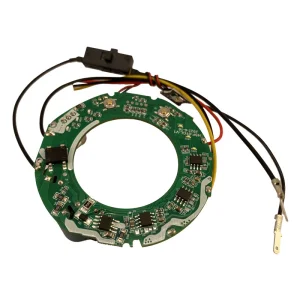
A: Yes, as an OEM/ODM specialist, we handle everything from the 260nm LED manufacturing to the final PCB assembly, including high-frequency and aluminum substrates.
Q: What is the typical lead time to Seattle?
A: Standard components ship within 7-10 days. Custom PCBA or LED modules typically take 3-4 weeks from design sign-off to delivery in King County.
 Cynovex