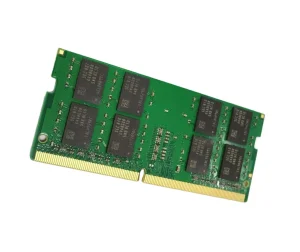
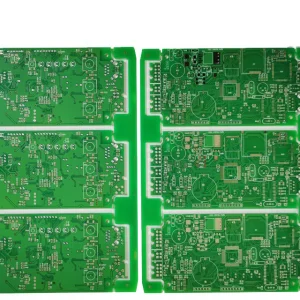
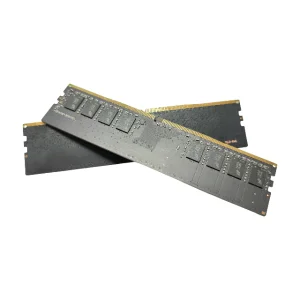
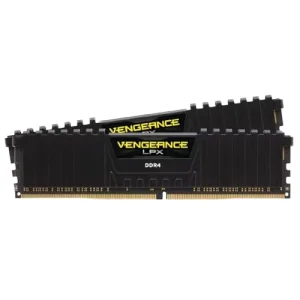
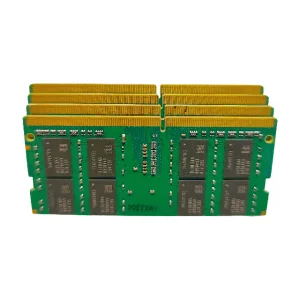
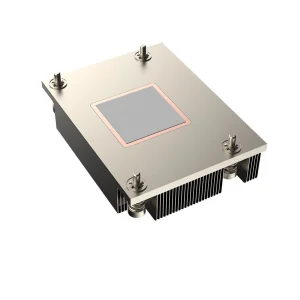
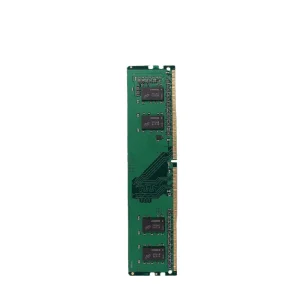
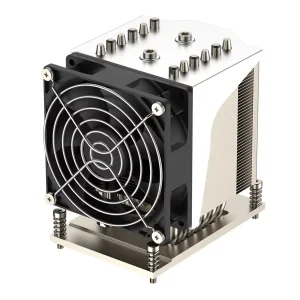
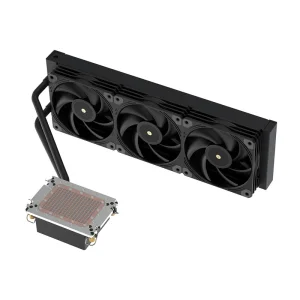
Our core manufacturing capabilities cover the physical, thermal, and electrical layers essential for high-performance ultraviolet (UVC) lighting arrays. Browse our highly durable control modules, high-frequency aluminum PCB substrates, and system memory segments designed for industrial integration.
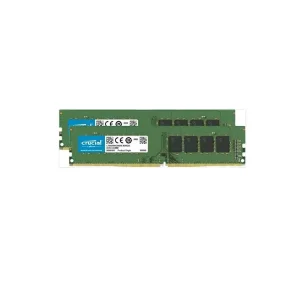
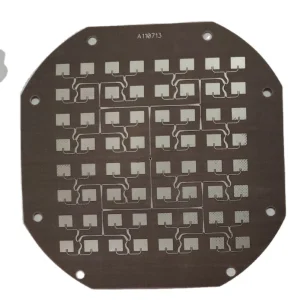
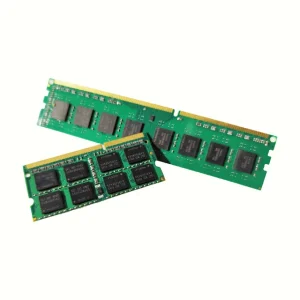
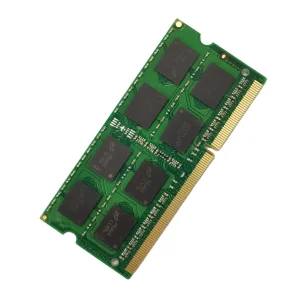
In the post-pandemic era of biosecurity and environmental safety, industrial, clinical, and municipal clients are moving away from fragile mercury-vapor ultraviolet lights toward high-power UVC Solid-State Lighting (SSL) structures. Operating within the deep UV wavelength band (200 nm to 280 nm), specifically targeted at the germicidal peak of 260 nm to 275 nm, modern UVC emitters require robust driving circuitry, superior thermal paths, and intelligent control interfaces.
At Cynovex Semiconductor Co., Ltd., we utilize our extensive history of advanced electronic manufacturing, computer-aided PCB design, high-velocity server memory production, and industrial heat pipe cooling systems to supply turnkey OEM/ODM solutions to global markets. The physics of high-radiance UVC LED emitters demands thermal substrates of exceptional thermal conductivity to maintain light efficiency and prevent premature junction failure.
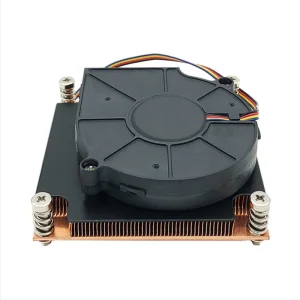
UVC LED chips have an electro-optical conversion rate of approximately 3% to 5%. The remaining 95% to 97% of electricity transforms instantly into thermal load at the micro-junction. To maintain L70 lifetimes exceeding 20,000 hours, developers must employ metal-core printed circuit boards (MCPCBs), thermal interface compounds (TIMs) with minimized boundary resistance, and active CPU-grade copper cooling devices.
Founded in 2016, Cynovex Semiconductor Co., Ltd. is a leading producer of high-performance semiconductor components, dynamic DDR5/DDR4 memory architectures, advanced copper heatsinks, and custom electronics for industrial, commercial, and enterprise systems. Our deep engineering capacity allows us to configure UVC lighting control hardware from the ground up, delivering high stability and signal integrity.
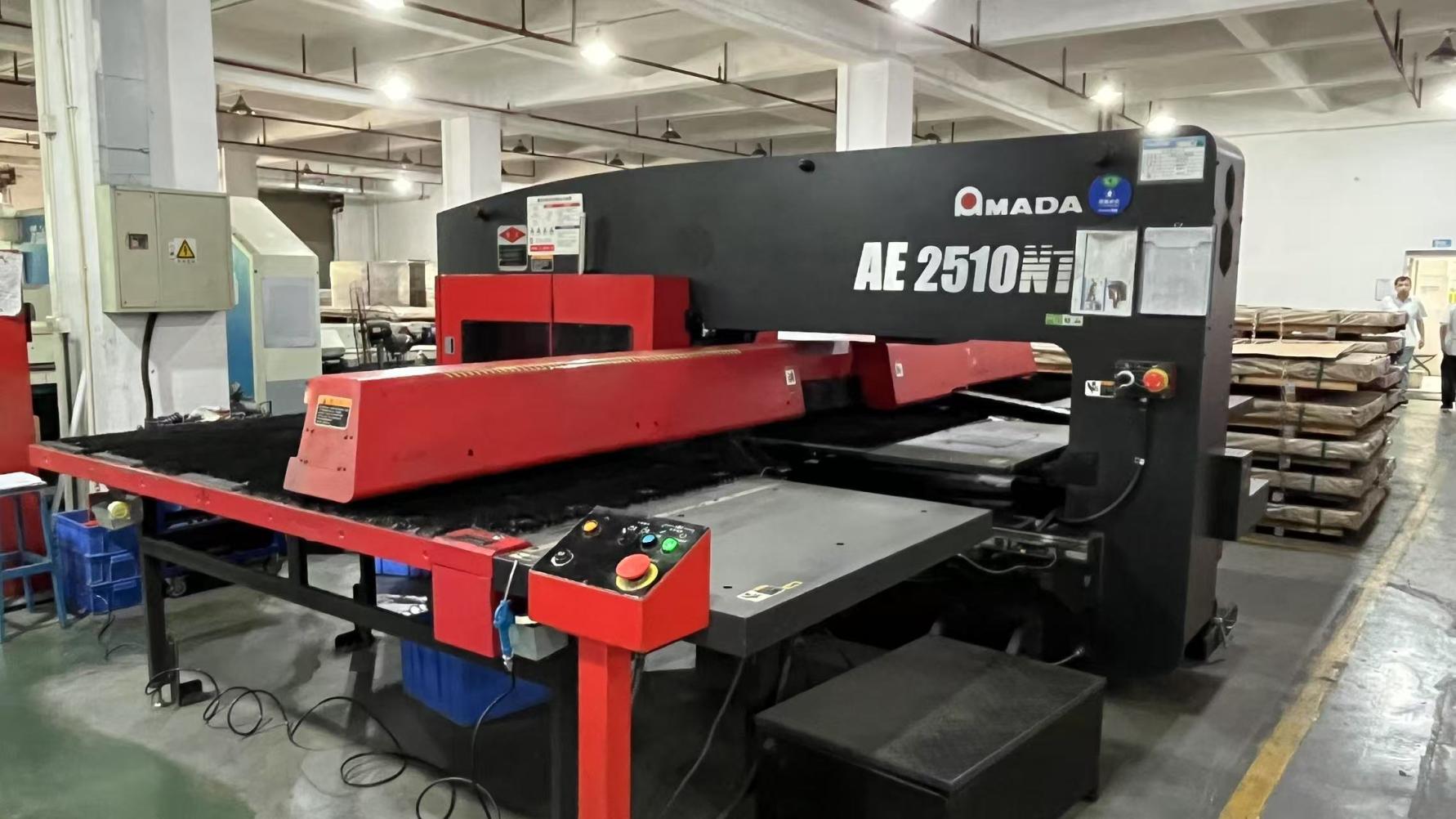
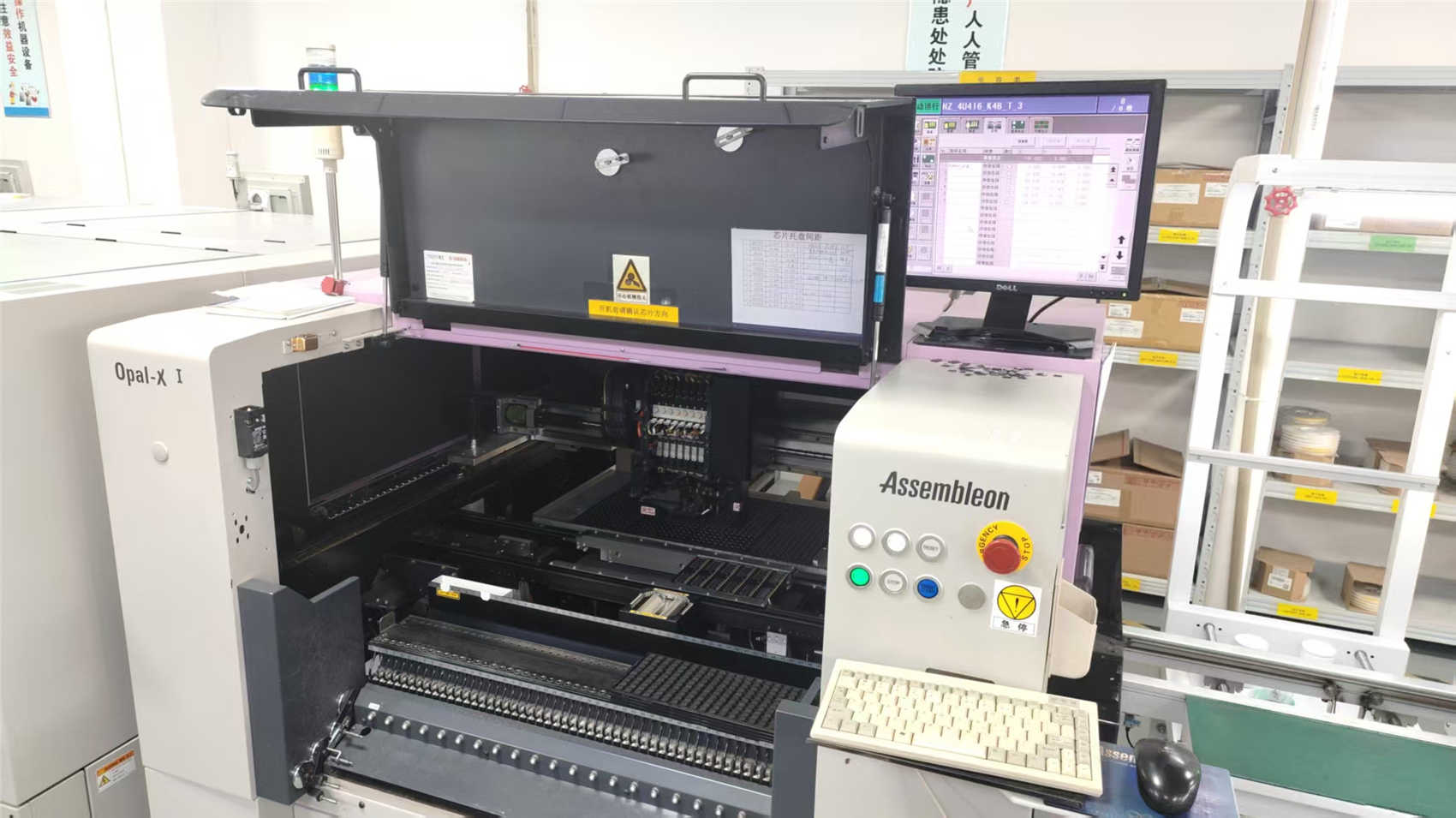
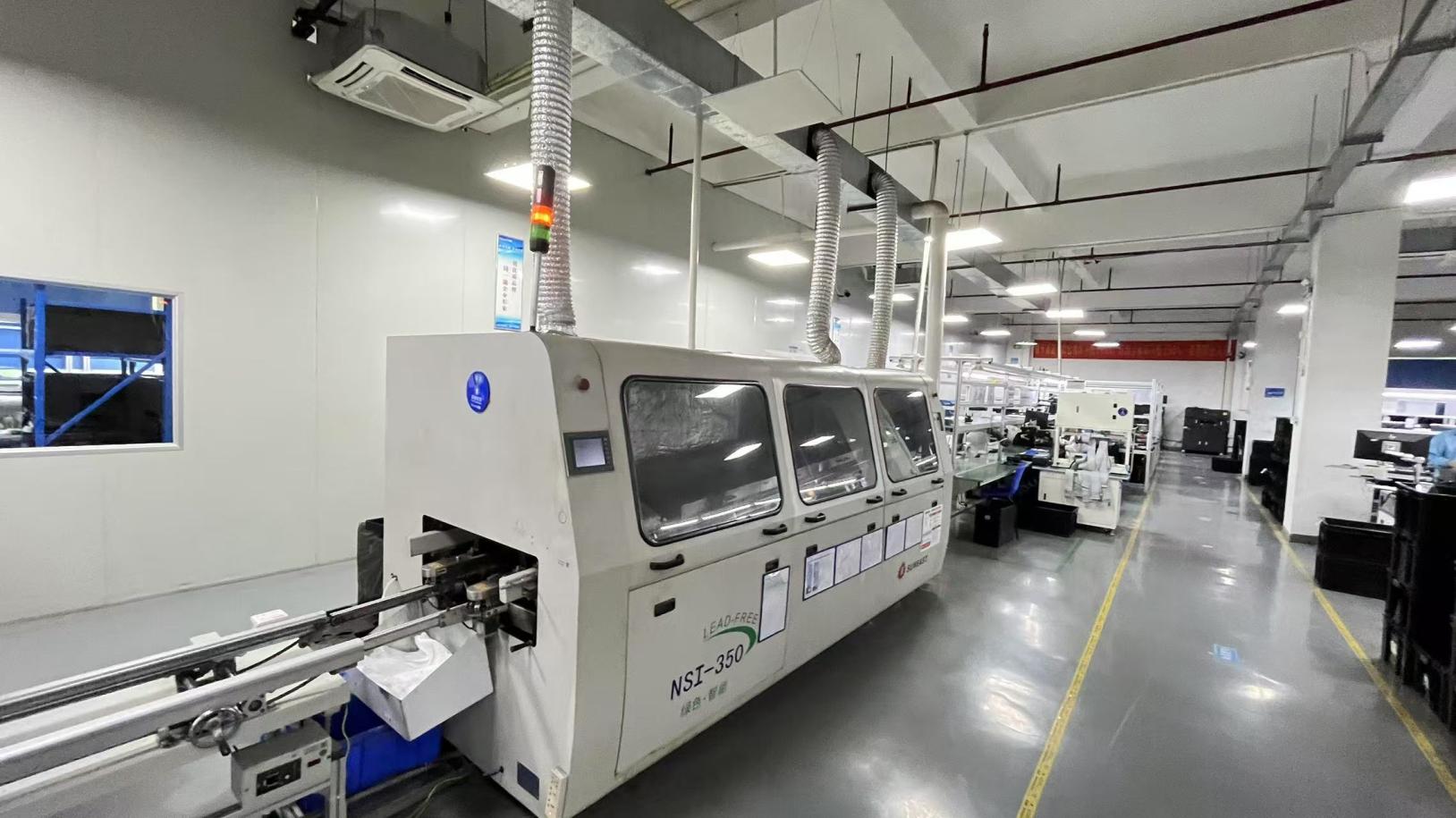
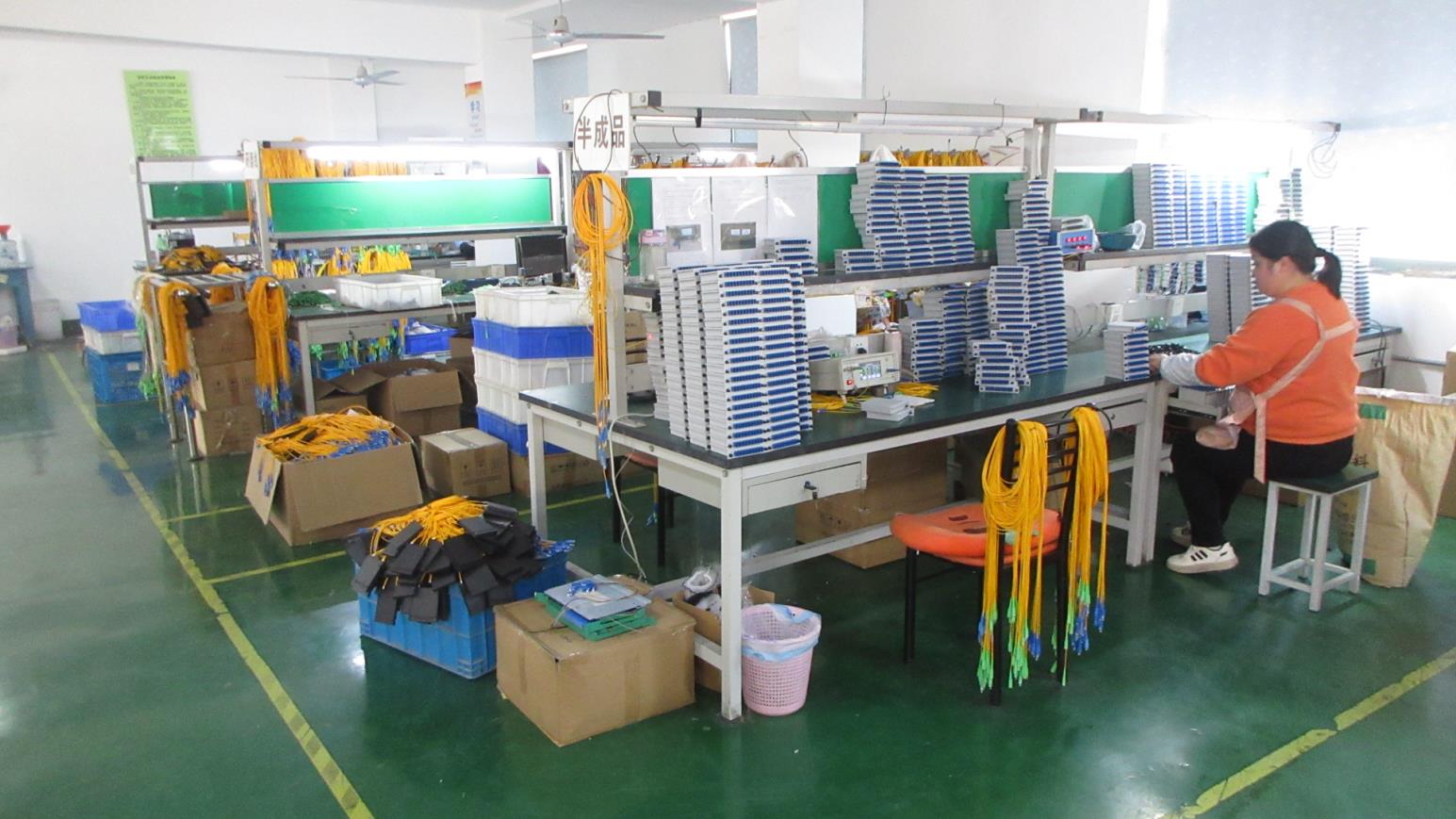
Our production facilities host a complete path from basic high-frequency PCB board printing, lead-free HASL surface finishes, to active components testing. We perform 100% functional testing, burn-in testing, compatibility assessments, signal integrity validations, and environmental aging checks to secure absolute uptime in medical, industrial, and municipal environments.
Modern procurement directors within public healthcare, municipal water facilities, and HVAC manufacturing sectors seek three critical factors in UVC LED technology providers:
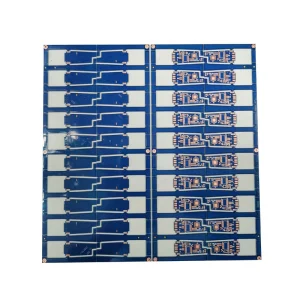
UVC systems cannot compromise on output density. We optimize our emitter modules with high-conductivity Taconic substrates or aluminum base configurations to prevent thermal degradation and maintain stable germicidal activity.
Although UVC LEDs present higher initial costs than legacy low-pressure mercury tubes, the system ROI scales favorably due to the elimination of ballast replacements, reduced power draw, and hazardous-waste disposal fees.
Under global directives, environmental safety is non-negotiable. Our PCB fabrication leverages lead-free HASL chemical techniques, aligning with RoHS and REACH mandates for toxic-free component supply chains.
Our engineering services tackle specialized, real-world application fields through targeted system configurations:
Dynamic air streams inside industrial structures require immediate, high-dose UVC exposure. Our solutions integrate high-power UVC arrays with high-frequency control boards capable of handling high voltages. The assemblies use active computer-cooling fan heat sinks and copper cooling blocks to handle high continuous air-flow demands without thermal stress.
UVC energy inside stainless-steel flow reactors disinfects pathogens without introducing chemical biocide residues. This process demands specialized IP68 waterproof modules with thermal management systems to ensure stability. Our copper-based passive heatsinks and aluminum-substrate high-frequency circuits transfer heat efficiently from the reactor walls.
Autonomous Mobile Robots (AMRs) for hospitals and cleanrooms require smart electrical controls and local memory banks to map spaces while controlling UVC arrays. We support these products by manufacturing reliable DDR4 ECC memory components and double-layer logic boards to guarantee fail-safe operating cycles.
Sub-zero conditions present major challenges for standard gas discharge lamps, which struggle with output stability in the cold. In contrast, solid-state UVC LEDs perform exceptionally well at low temperatures. By integrating them on aluminum circuit substrates, we prevent condensation damage and maintain uniform light output across logistics hubs.
The transition toward advanced solid-state light engines shapes our current and future development paths. Key areas include:
Because UVC radiation is hazardous to human skin and eyes, global regulatory agencies monitor these products closely. Our manufacturing processes follow strict safety standards to protect users and comply with regional laws:
Through our long-term supply chain partnerships (1,150+ partners), we guarantee sourcing stability and cost control. We support global distributors, system integrators, and OEM brand managers through custom packaging, firmware optimization, private labeling, and regional technical documentation.
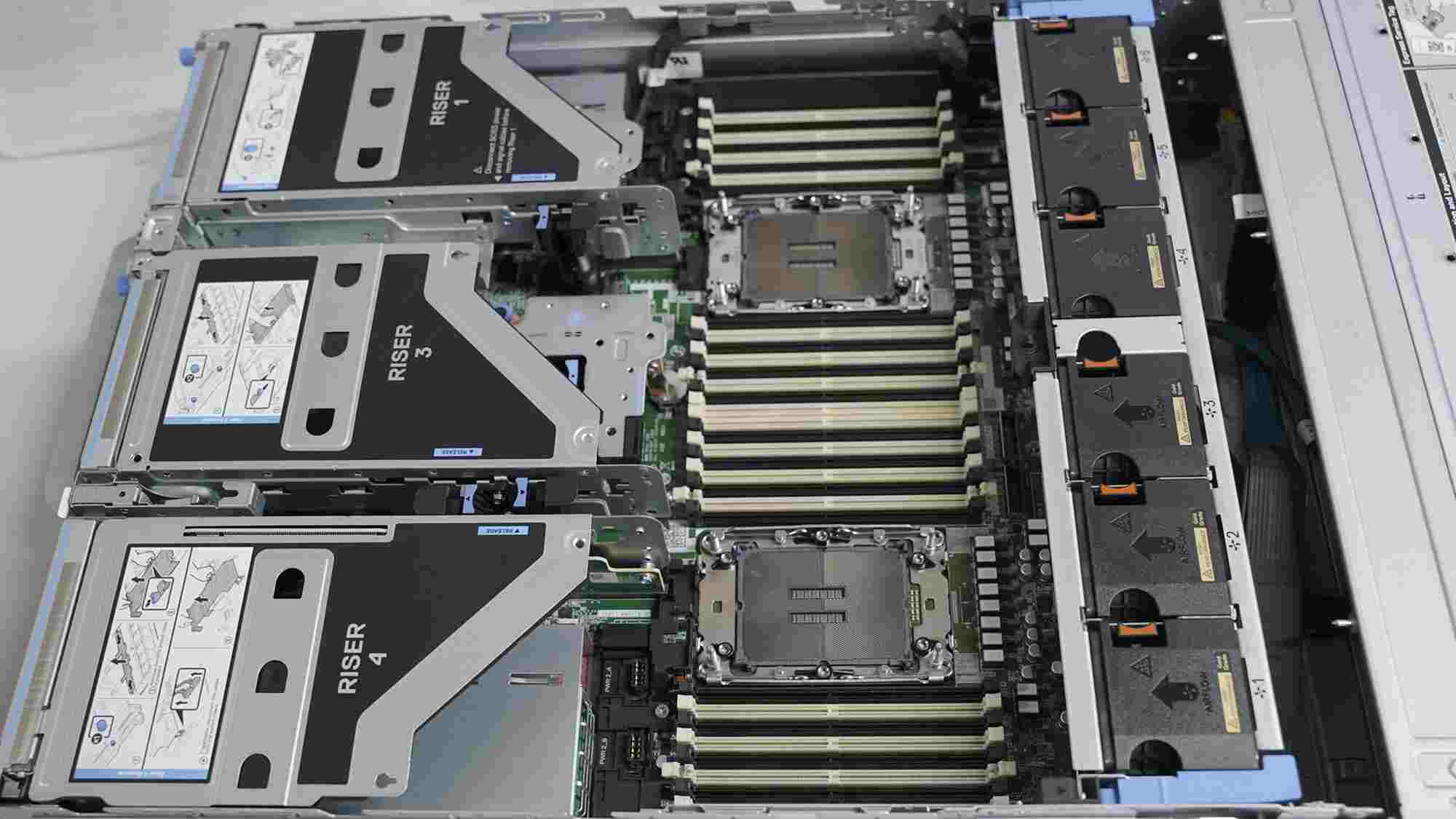
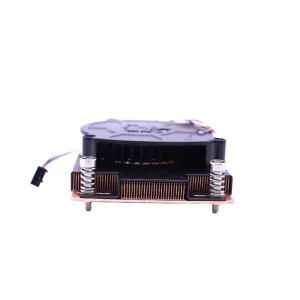
Explore our selection of server-grade cooling systems, copper-based heat pipes, and system memory modules designed to support high-performance industrial electronics.
 Cynovex